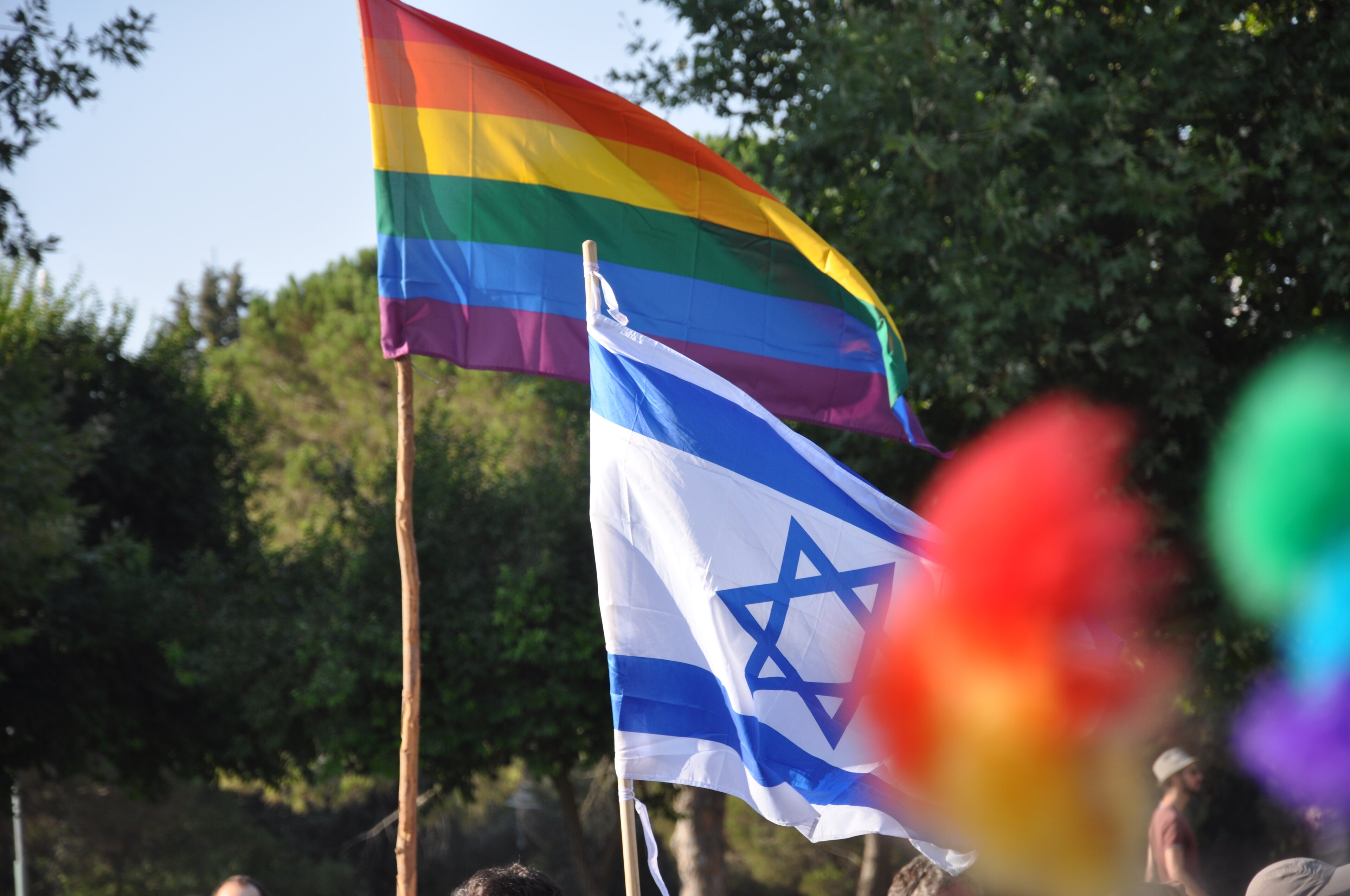
Israel is preparing to stage what organisers call theMiddle East's largest LGBTQ+ festival, a four-day spectacle carved into the Dead Sea's stark landscape. Yet even before the first stage is built, 'Pride Land' has become entangled in a much sharper argument about war, image and power.
Set for 1 to 4 June 2026, 'Pride Land' aims to turn the Judean Desert into a temporary 'Pride City,' complete with 15 hotels, beach complexes and a central performance arena operating around the clock. Aaron Cohen, the festival's main producer and initiator, said, 'Pride Land is not just another festival, it's the biggest thing we've done here.'
For years, Tel Aviv has anchored Israel's global reputation as an LGBTQ+ destination, hosting one of the largest pride parades in the region. Pride Land pushes far beyond that model. The concept is immersive rather than episodic, designed to run continuously across four days and nights.
Organisers describe a site that blends nightlife with something more carefully packaged. Alongside headline performances and DJ sets, there will be cultural spaces, art installations and areas marketed as suitable for families. Children's activities, workshops and quieter zones are planned alongside the expected high-energy parties.
Cohen leans heavily on scale and risk to define the project.
'We chose to grow,' he said. 'To take an investment of millions, purchase entire hotels for 4 days, and build a city from scratch in the middle of the desert.'
His description of a 'living envelope of music and people' suggests a carefully curated environment where celebration never stops, whether visitors are arriving for a concert or a quiet daytime visit.
The line-up reinforces the domestic focus. Dana International, Harel Skaat, Ran Danker, Shahar Tabuch and Ivri Lider are all set to perform, alongside DJs drawn from Israel's LGBTQ+ scene. Jonathan Gadol, chief executive of X Production, positions the event as an addition rather than a replacement.
'Pride Land does not come to replace Tel Aviv's traditional Pride Parade,' he said, 'but rather to add to the community an event that is tailored to its development and is crafted from within the community with the community's people.'
What makes this launch difficult to separate from its timing is the backdrop.As of April 2026,Israel remains engaged in a war in Gaza that has killed more than 72,560 people, injured about 172,300 people, according to health officials in the territory, following the Hamas-led attack on 7 October 2023.
Source: International Business Times UK
