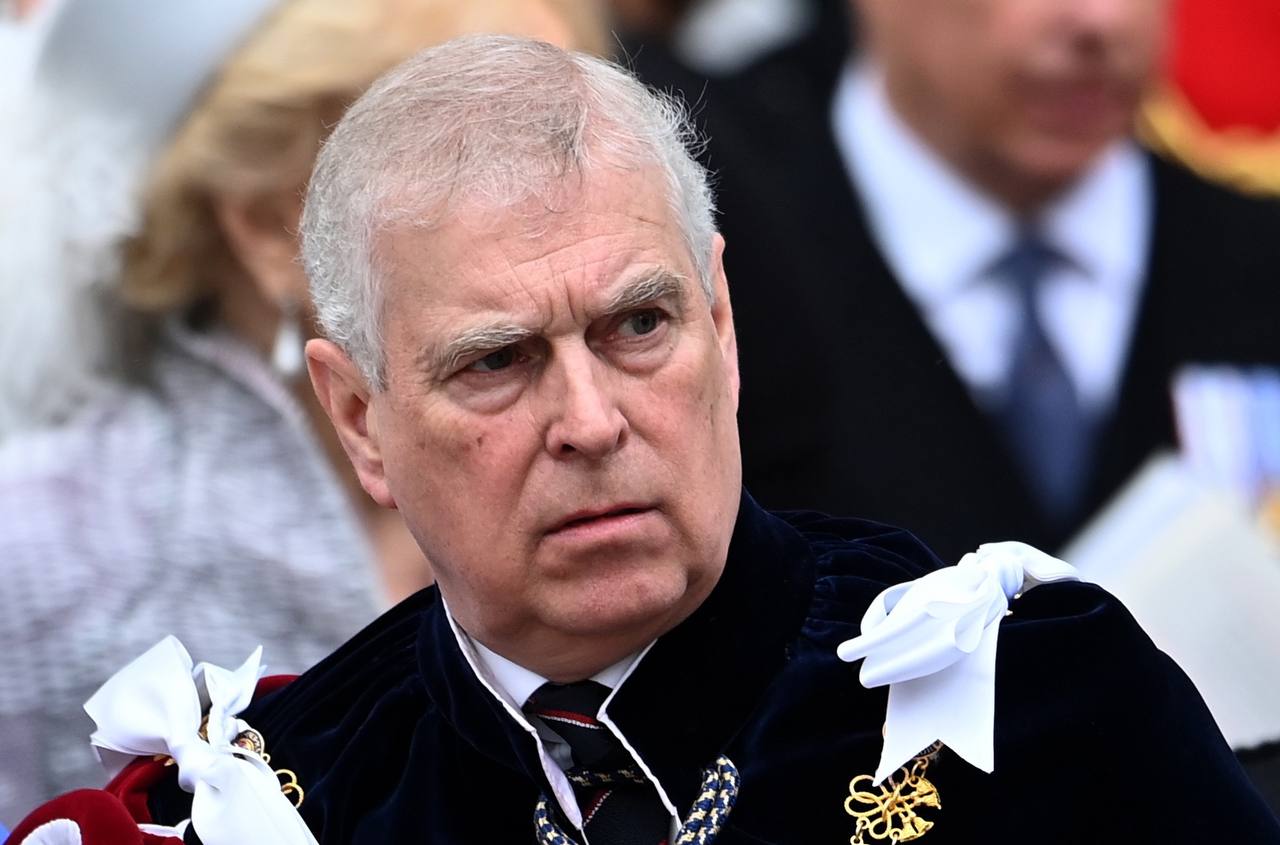
The latest disclosures linked to theJeffrey Epstein caseare once again sending shockwaves well beyond the United States. Political figures are under pressure, institutions are being asked hard questions and Prince Andrew and theBuckingham Palacefind themselves drawn back into a story many had hoped was settling into the past.
Newly released material tied to the Epstein case has revived long-standing concerns about who knew what and when. In several countries, the fallout has been swift, with renewed criticism and, in some cases, resignations. For many watching, it feels like unfinished business resurfacing.
Andrew Mountbatten-Windsor, the Duke of York, is again at the centre of attention. A survivor has publicly called on Buckingham Palace to search its own files and emails for any records connected to his association with Epstein.
The request is straightforward but carries weight. Survivors say transparency should not rest solely with external investigators. They want to know whether internal correspondence exists and, if it does, what it contains.
Juliette Bryant, an Epstein abuse survivor, recently urged the Palace to examine correspondence and records relating to Prince Andrew's relationship with Epstein.
'They need to go through all Prince Andrew's files and emails,' Bryant toldBBC News.
For those directly affected, the issue goes beyond legal arguments. It is about recognition, responsibility and being heard.
A voluntary review by the Royal Household, some argue, would send a message that no institution is above scrutiny.
'I just hope they're not just saying this. I would like to see them actually taking action', the survivor added.
At the time of writing, Buckingham Palace has not indicated that such a search is under way. The renewed attention has nevertheless brought mounting pressures to a chapter the monarchy has been trying to move beyond.
Source: International Business Times UK
