A two-year BBC investigation has used DNA science to confirm what Kenyan communities near aBritish army basehave alleged for generations: that soldiers fathered children across the region and left without acknowledgement, financial support, or any meaningful accountability.
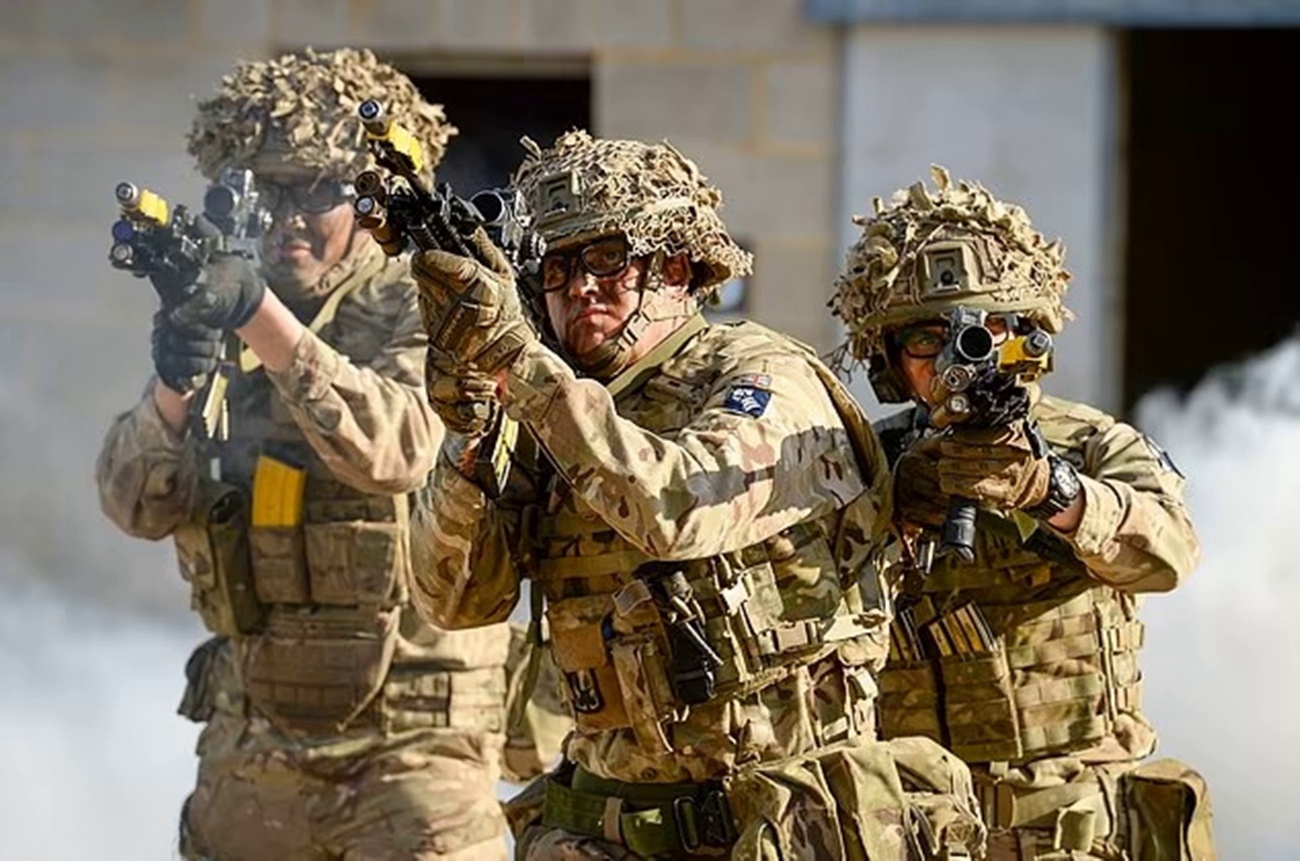
The findings, published 20 April 2026, form the basis of a new five-part podcast series and companion documentary by BBC Africa Eye titledSearching for Soldier Dad, which details how children aged between three and 70 were fathered by men serving at the British Army Training Unit Kenya (BATUK), located near Nanyuki, approximately 200 kilometres north of Nairobi.
Working alongside UK-based children's rights lawyer James Netto, Kenyan human rights lawyer Kelvin Kubai, and geneticist Professor Denise Syndercombe Court of King's College London, the BBC team used commercially available DNA ancestry databases to trace absent British fathers.
Netto and Kubai say there are nearly 100 documented cases of children born near BATUK to British soldiers. More than 5,000 British personnel rotate through the base annually, a figure that has remained roughly consistent since BATUK was established in 1964. The children identified in the investigation range widely in age, reflecting a pattern that Netto describes as spanning multiple generations rather than any isolated period of misconduct.
For many of those children, the search for identity has been active and painful for years. Some were told by their mothers that their fathers had died. Others grew up knowing only that the man responsible for their existence had been stationed at a British base before disappearing entirely.
In thedocumentary, a nine-year-old Kenyan boy identified as Edward, whose name was changed to protect his identity, is described as having faced years of bullying over his lighter skin tone. His mother has been living in extreme poverty and was left ostracised by parts of her family after the soldier she was involved with vanished before the child was born.
One former British soldier named Phil, identified only by his first name, admitted in theBBC seriesthat he had failed to respond when initially contacted by his daughter, citing difficulties adjusting to civilian life. He said, 'I know a lifetime's not going to make it up for, but at least I can try.' His case represents one of the few instances in the investigation where a father came forward voluntarily.
“A lawyer finding clients on the ground in Kenya, say there are nearly 100 documented cases of children born near the British Army Training Unit in Kenya (Batuk) to British soldiers.”https://t.co/0uvMJlpRuh
Kubai, who grew up near Nanyuki and witnessed the struggles of mothers and children in the area firsthand, set up a charity called Connecting Roots Kenya to provide financial support to children of British soldiers. He has been clear that the scale of the problem goes beyond what has so far been documented, and that ongoing legal work is expected to bring additional cases before the High Court in the coming months.
The methodology at the centre of the investigation represents what Netto describes as unprecedented in scale within UK courts. His team arrived in Kenya carrying DNA kits and collected samples from children across the Nanyuki region. Professor Syndercombe Court then cross-referenced those genetic profiles against the data held in commercial genealogy databases, the same platforms used by members of the public tracing ancestry, to identify biological matches to British soldiers and former contractors.
Source: International Business Times UK
