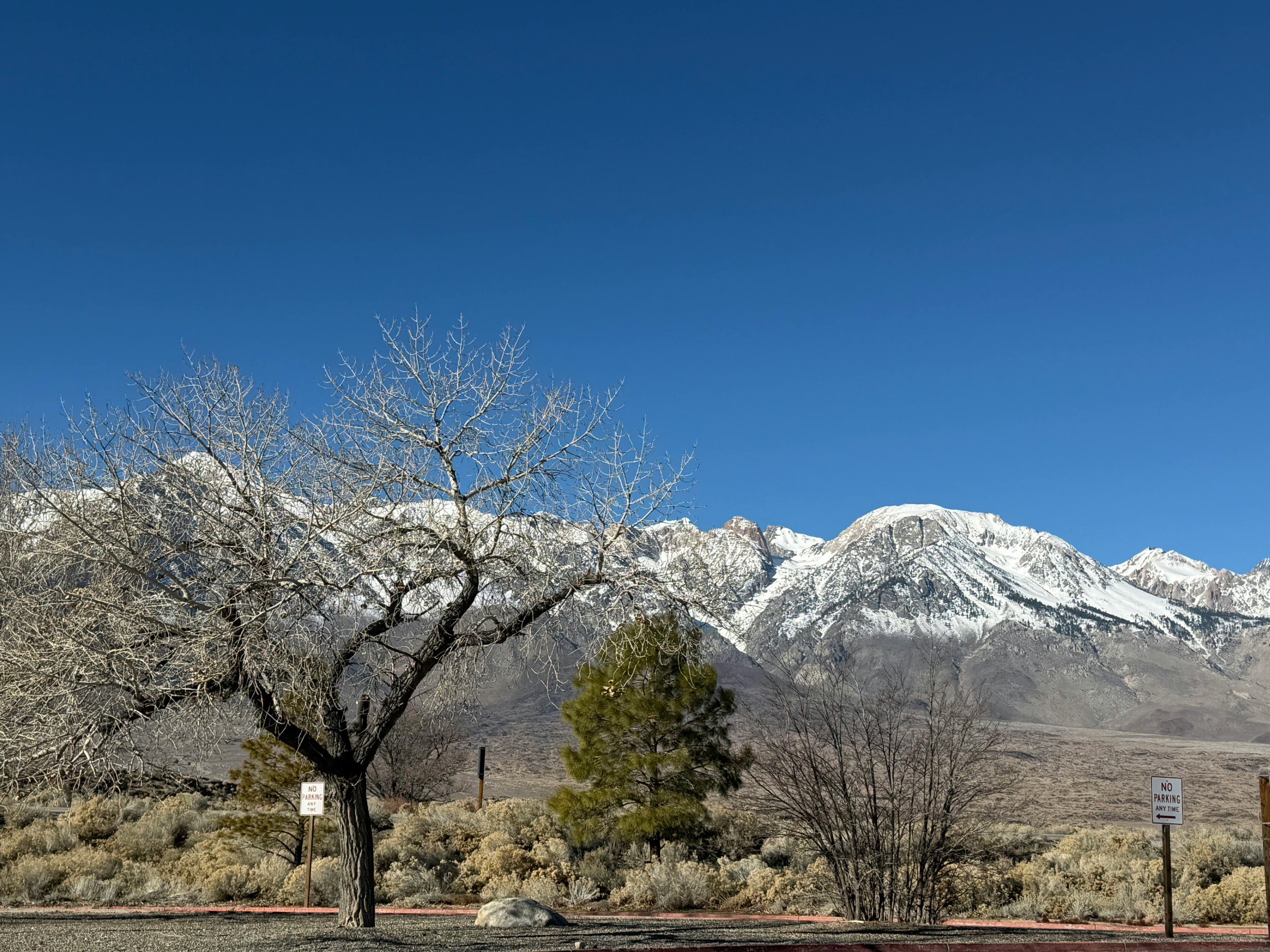
Avolatile late-season winter stormis sweeping across parts of the United States, prompting weather alerts as forecasters warn of hefty snowfall, destructive winds and dangerous travel conditions in several states.
Although the US calendar shows that it is spring, Americans in the western and northern parts of America are currently preparing for weather conditions more typical of mid-winter. Empty supermarket shelves and road preparations show that Americans are taking this storm seriously.
The National Weather Service has issued winter storm watches and warnings for mountainous regions stretching from California's Sierra Nevada through parts of the Rockies and Pacific Northwest.
Meteorologists assess that higher elevations could receive up to two feet of snow, whilst wind gusts could reach 90 mph in open and exposed areas. California's Sierra Nevada area is expected to be amongst the hardest-hit regions.
Weather forecasters say that snow levels will vary, but communities above 5,000 feet in the north and 7,000 feet in the south may experience intense snowfall rates of one to two inches per hour during the storm's peak hours.
Hotels and resorts in mountain communities close to Donner Summit, Kirkwood and Echo Summit will receive over a foot of snow, with some areas getting as much as three feet. Officials are warning motorists to avoid unnecessary travel due to roads becoming slick and road visibility being affected byheavy snowfall.
Interstate 80 and Highway 50, which are main routes through the Sierra Nevada area, are expected to close as conditions worsen. Drivers are warned to expect delays and detours as the unexpected winter storm progresses.
Drivers are also warned to use proper winter clothing if they have to travel, as extremely low temperatures and cold wind may be life-threatening. Although the wind-chill factor is not a measurable temperature, higher wind speeds remove heat faster, increasing the risk of hypothermia and frostbite.
Beyond California, forecasters also predict heavy snow in certain sections of the Cascades, Northern Rockies, Colorado, Utah and Yellowstone National Park. Colder air behind the weather system may send temperatures tumbling down by 10 to 25 degrees.
The winter storm is also bringing strong winds to lower elevations, increasing the threat of downed tree branches, random power outages and dangerous driving conditions. Wind gusts from 30 to 40 mph have already been reported in Northern California. Stronger winds are expected along mountain passes and ridgelines.
Source: International Business Times UK
