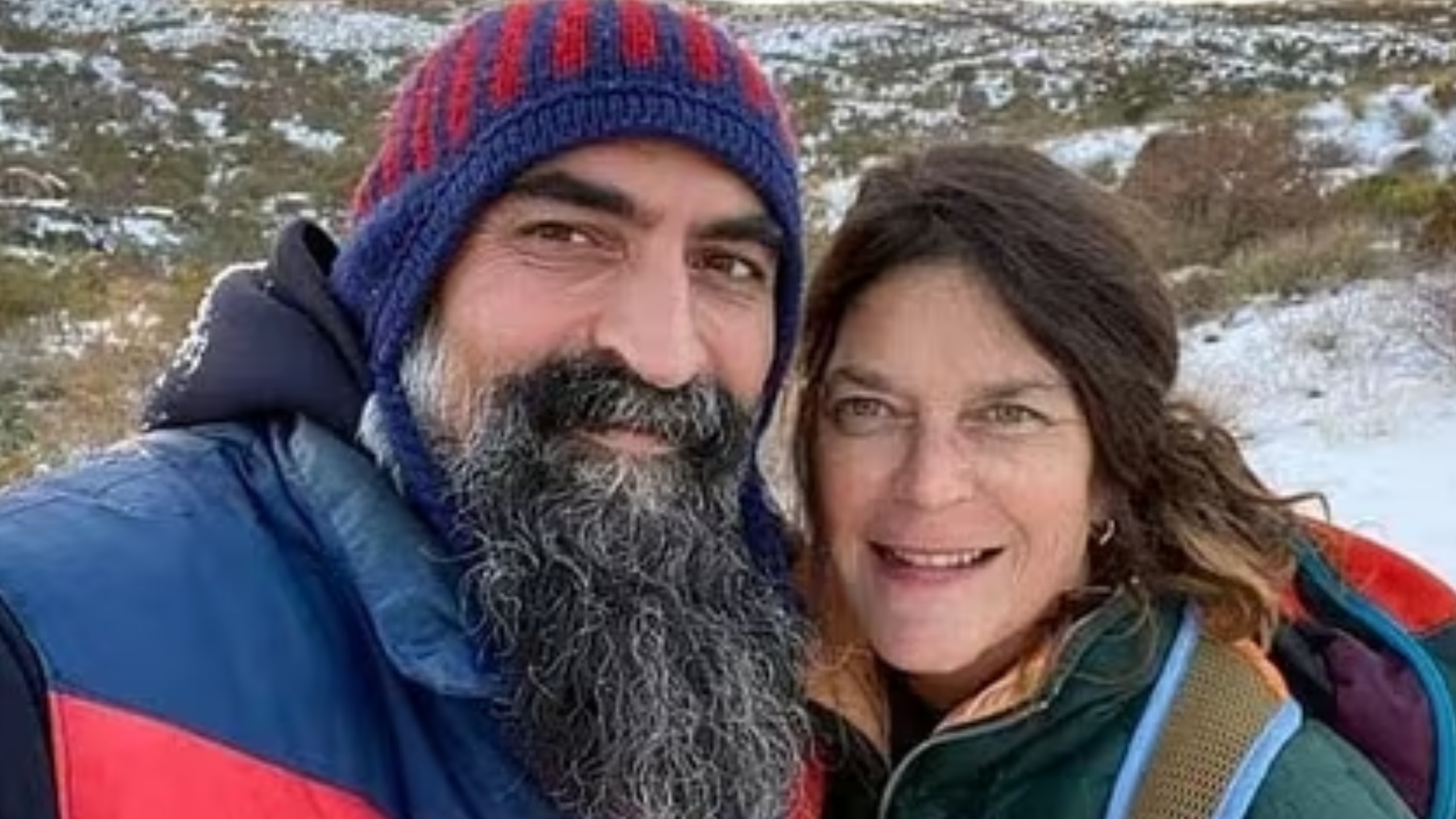
Savannah Guthrie's sister, Annie, and brother‑in‑law,Tommaso Cioni,are facing mounting public suspicion and harassment in the disappearance of 84‑year‑old Nancy Guthrie, who was reported missing from her Catalina Foothills home near Tucson, Arizona, on 1 February, even though authorities say no family member is a suspect.
Attention turned quickly to the people closest to Guthrie. Her daughter, Savannah, the high‑profile co‑anchor of NBC's Today show, inevitably became the public face of the family's nightmare. But the most intense glare has settled on Savannah's younger sister Annie and Annie's husband, Italian‑born chef and restaurateur Tommaso Cioni.
On the night before Nancy was reported missing, Annie and her mother had dinner together. It has been reported that Cioni drove Nancy home afterwards, making the couple among the last known people to see her before she vanished.
The pressure on the couple escalated after former NewsNation journalistAshleigh Banfield reported that Cioni had been named a possible suspect. The Pima County Sheriff's Department swiftly rejected that characterisation, and Sheriff Chris Nanos later clarified that no member of the Guthrie family is considered a suspect in the case.
Savannah Guthrie, who usually spends her mornings quizzing politicians and celebrities, found herself on the other side of the camera, addressing speculation about her own family.
In a conversation with her NBC colleague Hoda Kotb, she spoke about the emotional toll the scrutiny had taken on Annie and Tommaso, describing how painful it was to see them treated as if they had something to hide, while they lived with the same fear and uncertainty as everyone else who loved Nancy.
Even that didn't slow the online theorising. True‑crime influencers descended on the story, combing through timelines and body language.
In one instance, aYouTuber set up outside Annie and Tommaso's hometo film, prompting Cioni to come out and ask to be left alone. The couple have reportedly put up 'no trespassing' signs in an effort to reclaim a sliver of privacy.
Into this atmosphere stepped Dr Jenny Shields, a licensed psychologist and certified healthcare ethics consultant who heads Shields Psychology & Consulting in The Woodlands, Texas. Speaking to Parade magazine, Shields did not weigh in on the criminal investigation itself. Instead, she tried to explain why people like Annie Guthrie and Tommaso Cioni can become lightning rods in an unsolved case.
'When something terrible feels random, people instinctively search for a reason,' she said. 'If they can point to a mistake, a lapse, or a person to blame, they get to feel that the world is still orderly and predictable. Psychologically, blame often works as a form of self‑protection.'
Source: International Business Times UK
