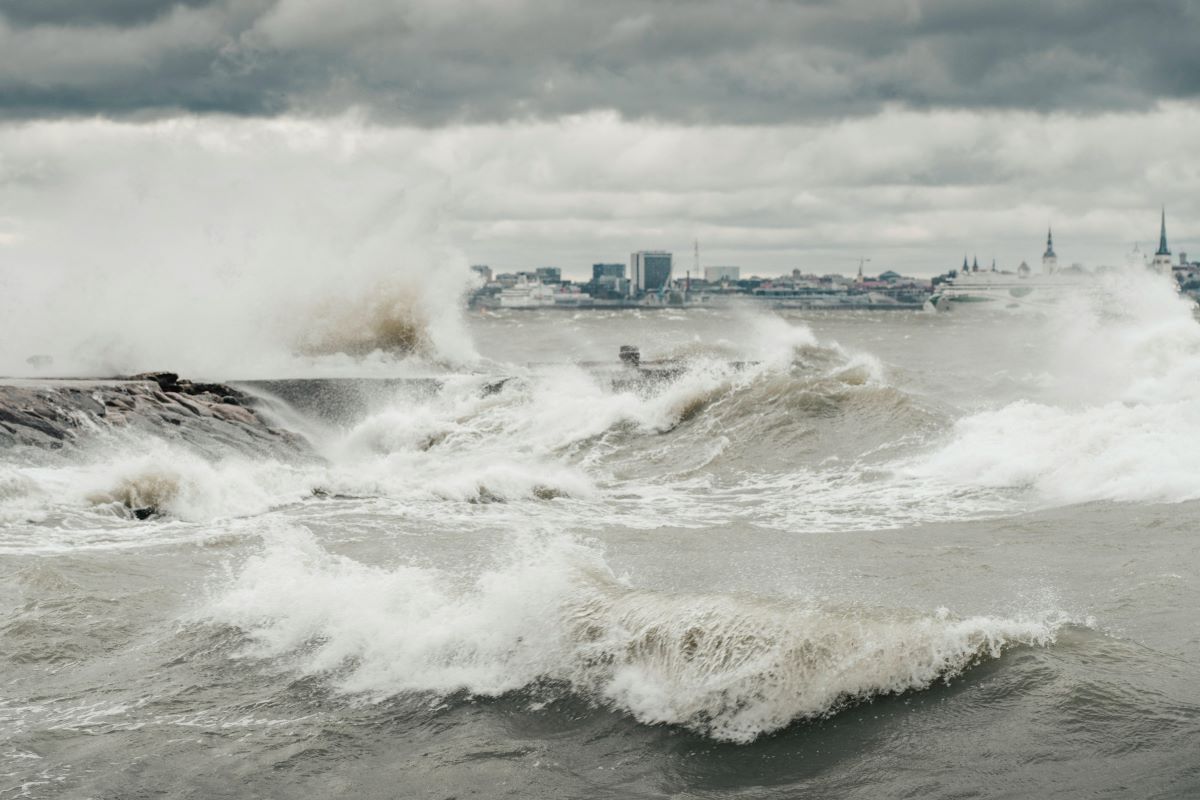
Japan's latest earthquaketriggered coastal disruptions as authorities monitored potential tsunami activity across several regions.
A strong offshore earthquake off Japan's eastern coastline triggered atsunami advisoryon Monday, prompting urgent evacuations and renewed scrutiny of the country's vast coastal defence system, including its famous 50-foot (15-metre) tsunami walls.
Authorities issued the advisory shortly after seismic activity was detected beneath the Pacific Ocean, warning residents in vulnerable coastal zones to move to higher ground. While no major tsunami damage has been confirmed, the alert reignited long-standing concerns about whether Japan's physical sea defences are enough to withstand future mega-quakes.
Japan's meteorological agencies continue to monitor sea-level fluctuations, while emergency response teams remain on standby across multiple prefectures.
Japan's tsunami wall system was expanded significantly following the devastating 2011 Tōhoku earthquake and tsunami, which left entire coastal towns destroyed and claimed thousands of lives.
In response, the government invested heavily in coastal protection infrastructure, including reinforced concrete seawalls reaching up to approximately 50 feet (15 metres) in some areas. These structures were designed to absorb and reduce the force of incoming waves, delay flooding, and provide crucial time for evacuation.
The system also forms part of a wider disaster prevention network, including evacuation towers, raised shelters, and automated alert systems intended to move residents away from danger zones as quickly as possible.
According to aCNNreport on Japan's emergency response framework, the country's tsunami preparedness relies heavily on rapid alerts and immediate evacuation protocols rather than infrastructure alone.
Despite their scale, Japan's tsunami walls remain controversial among disaster experts. While they can reduce the impact of smaller waves, larger tsunamis have the potential to overtop or damage the barriers entirely.
The latest tsunami advisory has revived debate over whether these defences may provide a false sense of security in coastal communities. Some experts argue that reliance on seawalls can delay evacuation behaviour, particularly in areas where residents feel physically protected.
Source: International Business Times UK
