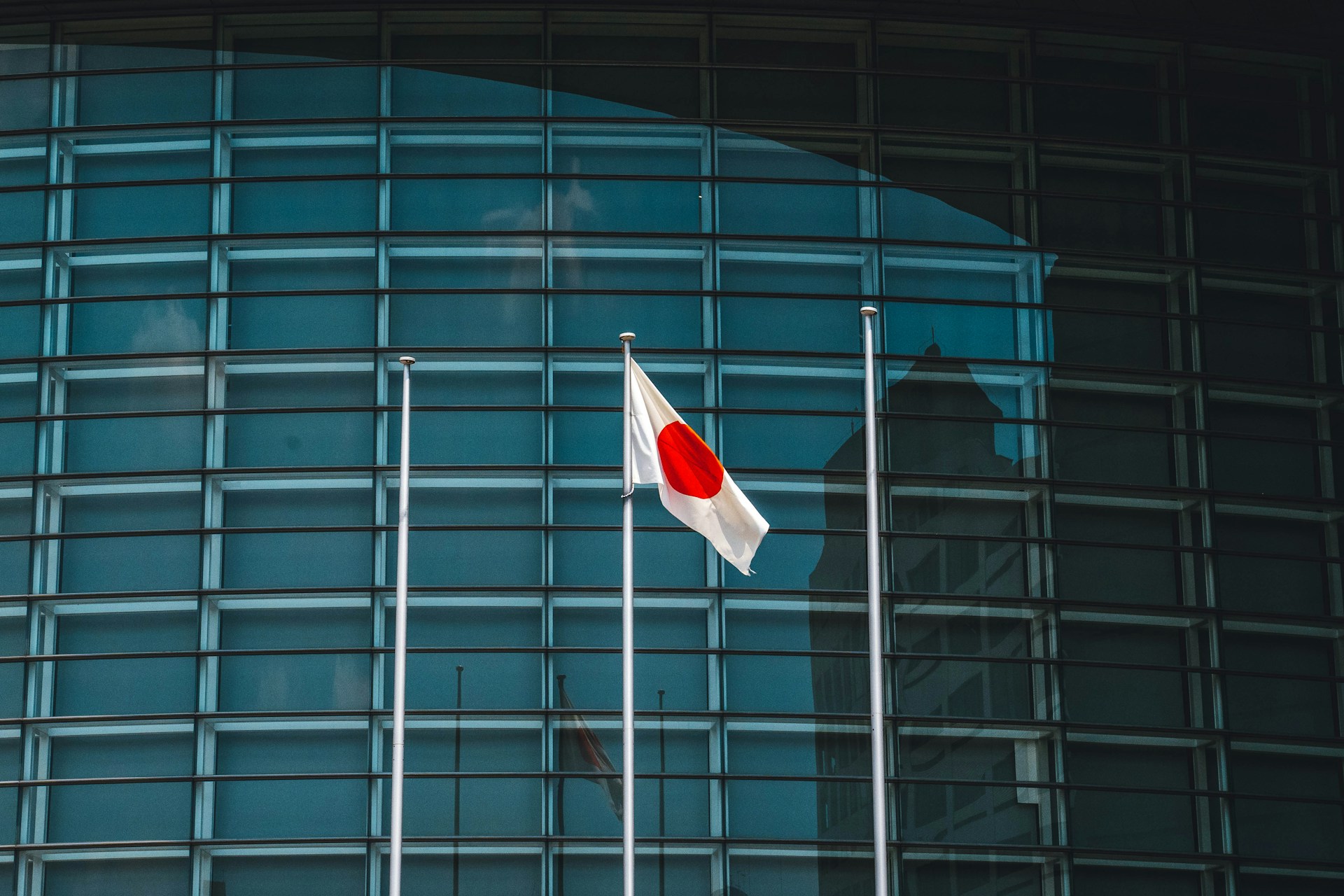
Japanwill ease decades-old arms export curbs, the government said Tuesday, in a major policy shift that paves the way for the sale of lethal weapons overseas as Tokyo ramps up its defence ambitions.
The new rules end Japan’s self-imposed curb on sales of lethal arms as Tokyo seeks to enter the international arms market, hoping to bolster national defence as well as boost economic growth.
The move, which provoked an angry reaction from China, comes as anxiety increases over Beijing’s escalating military activity in the region, as well as persistent security threats from North Korea and Russia.
“These decisions have been made at a time when changes in the security environment surrounding our country are occurring at an accelerating pace, and they serve to ensure Japan’s security while contributing even more to peace and stability in the region and the international community,” the government’s top spokesman Minoru Kihara told a news conference.
“Today, no nation can safeguard its own peace and security by itself alone.”
China was “seriously concerned” by the changes and would “firmly resist Japan’s reckless new-style militarisation”, foreign ministry spokesman Guo Jiakun told a news briefing.
Exports had previously been limited to equipment classified under five categories: search and rescue, transportation, warning, surveillance and minesweeping.
However, Prime Minister Sanae Takaichi posted on X that “with this amendment, transfers of all defence equipment will in principle become possible”.
Proponents of the policy shift argue the change should further integrate Tokyo in the international defence supply chain, deepening defence, diplomatic and economic ties with partner nations as regional instability grows.
But the decision has caused unease among some members of the Japanese public, with critics accusing Takaichi of eroding the proud history of the nation’s staunch pacifism.
Source: Insider Paper
