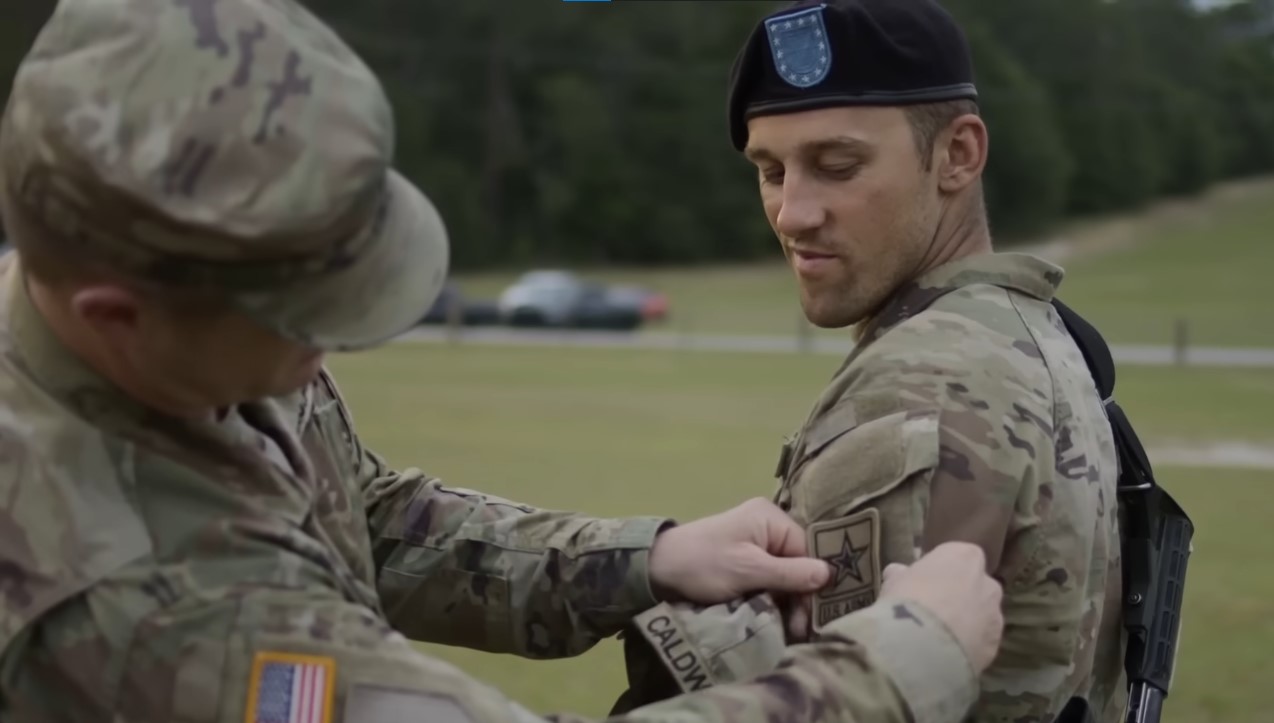
The has raised its maximum enlistment age to 42, up from the previous limit of 35, in a significant move aimed at expanding its recruitment pool. The change applies to the Regular Army, Army Reserve, and National Guard and took effect under updated enlistment regulations issued in March.
The decision is part of a broader effort to address persistent recruitment challenges. In 2022, the army fell short of its recruitment target by around 25 per cent, according to data from the US Army Recruiting Command. Although targets were met in 2024 and 2025, earlier shortfalls highlighted ongoing structural pressures in attracting new personnel.
While the policy shift comes amidheightened tensions involving Iran, the Army has not linked the change to any specific operational or conflict-related plans. Analysts note that discussions around raising the enlistment age have been underway for several years, well before recent geopolitical developments.
A key challenge for the Army is a shrinking pool of eligible candidates. Data from the US Army Recruiting Command indicate that many young Americans do not meet the required health and fitness standards. Issues such as obesity and drug use continue to limit eligibility among potential recruits.
Interest in military service has also declined over time. APentagon-commissioned surveyfound that concerns about injury, post-traumatic stress disorder, and extended time away from family are among the primary reasons young people choose not to enlist.
Public perception plays an important role as well. A 2024 Pew Research Center survey indicated that Americans aged 18 to 29 were more likely to view military service negatively than positively, making them the only age group with that outlook.
At the same time, a strong civilian job market has increased competition. Private sector roles often offer higher salaries, greater flexibility, and clearer work-life balance, making them more attractive compared to military service.
By raising the enlistment age, the Army is aiming to tap into a broader and often overlooked group of candidates. A 2023 report by the RAND Corporation found that older recruits can bring advantages such as higher motivation, stronger focus, and better readiness to begin training.
In addition to increasing the age limit, the army has also eased certain entry barriers. The updated policyremoves restrictions on individuals with a single conviction for marijuana possession, aligning recruitment rules with changing legal and social norms.
The Army has also invested in preparatory programmes designed to help candidates meet academic and physical requirements before entering active service, further widening access to potential recruits.
Source: International Business Times UK
