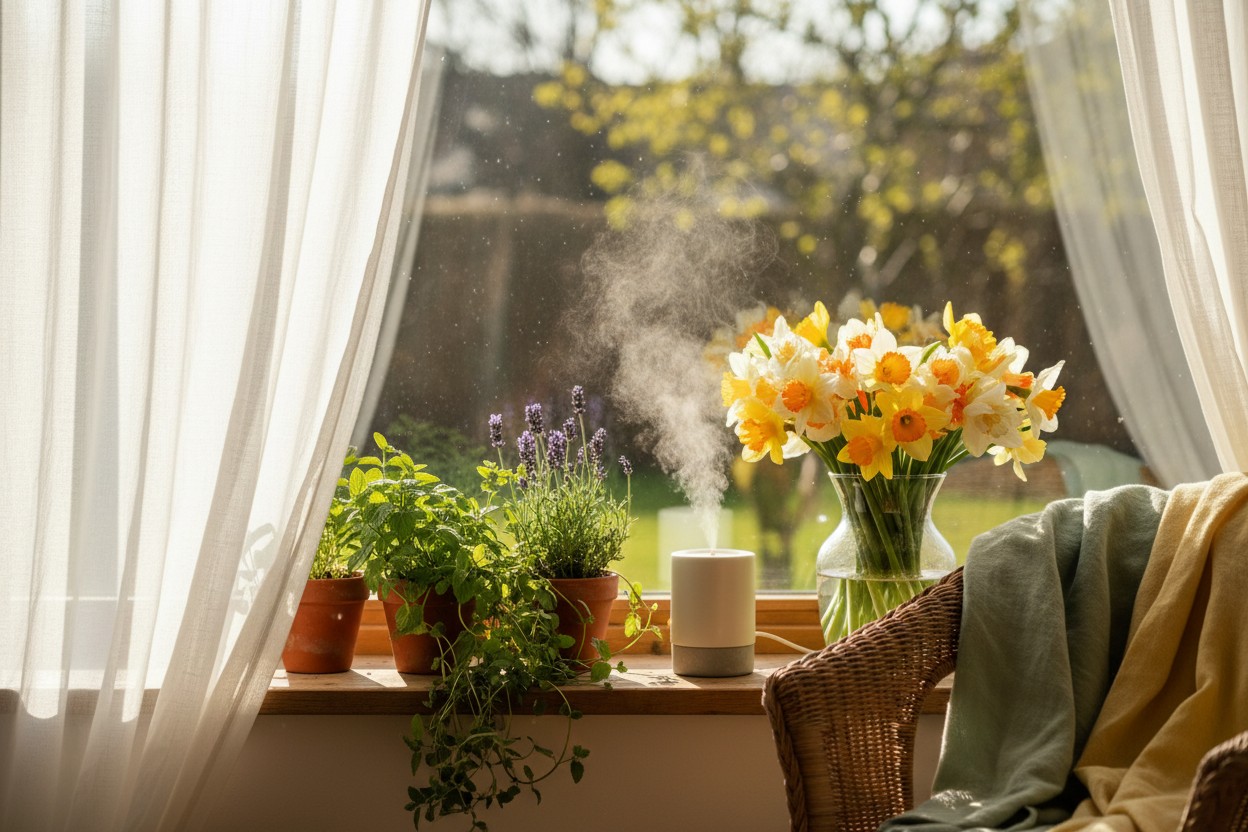
Seasonal change from winter to spring prompts adjustments in home environments, according to holistic health practitioners. The shift is described as a time for sensory rejuvenation aligned with natural cycles. Longer daylight and warmer temperatures are cited as primary catalysts for these changes.Alexandra Roach, a holistic health practitioner and master gardener, stated that springtime is a time of "rejuvenation and reawakening, for nature as well as our senses"Â[1]. Roach further noted that after mid-March, "even a 'winter-lover' like me is ready for spring" and that it is time "to welcome colors back with a hurrah!"Â[1].Sensory Engagement Through Flora and ColorIntroducing flowering plants and fresh-cut blooms is recommended to engage sight and smell. Color schemes are adjusted toward lighter, brighter tones to reflect increased outdoor light. Practitioners link visual stimulation from nature to mood and cognitive benefits.Roach, who lives on an off-grid permaculture homestead, emphasized the act of "bring[ing] the outdoors in"Â[2]. She recommended grabbing "fresh flowers from the gardens and keep[ing] them in vases on your tables, in the kitchen"Â[2]. This practice is framed as a direct method to engage the senses and visually connect the indoor environment with the seasonal change outdoors.According to one interior design source, adjusting a home's color palette as the weather warms is a common practice, advising homeowners to "think about bringing in brighter, fresher colours"Â[3]. These adjustments are presented as straightforward methods to visually align a living space with the external environment.Aromatic Strategies: Herbs and Natural ScentsHerbalists advocate for using essential oils from mint, lavender, and citrus for aromatic diffusion. Growing culinary herbs indoors is presented as a method to integrate scent and potential wellness uses. Natural scent sources are contrasted with synthetic fragrances found in commercial products.Roach's holistic approach includes using herbal teas and medicinal plants. For instance, she has written about making "Rosemary Wine to Lift Your Spirits and Boost Heart Health"Â[1]. In Traditional Chinese Medicine, which identifies seasonal pathogenic factors, the use of herbs and acupressure is recommended to address ailments that can arise during seasonal transitionsÂ[4].Growing herbs indoors provides both aromatic and practical benefits. Christina Pirello, author of 'Cooking the Whole Foods Way', wrote that a healthy diet should focus on "lighter, fresher foods" and employ "enough strong, cooked foods" to maintain health, suggesting a seasonal adjustment in consumption that can begin with home-grown ingredientsÂ[5].Auditory and Textual ElementsOpening windows to admit natural sounds like birdsong is suggested to alter the acoustic environment. Changing textiles to lighter fabrics such as cotton and linen is recommended for tactile variation. These adjustments are framed as methods to reduce reliance on artificial climate and sound control.One source suggests that to bring a spring feeling into a home, one should update accessories such as cushions and plaids with "cheerful and light colours"Â[6]. This textual shift from heavy winter fabrics to lighter materials is a common recommendation for seasonal transitioning.Reducing reliance on artificial systems is a theme in holistic living. Dr. Mercola has written about the health impacts of living in a climate-controlled environment, noting that "exposure to harsh conditions can be highly beneficial" and that extreme temperature variations "help optimize many biological functions"Â[7]. This perspective supports the idea of allowing natural environmental shifts, including sounds and temperatures, to influence the indoor space.Integration of Home-Grown FoodsStarting indoor herb gardens or sprouting trays is promoted for direct connection to food sources. Proponents state this practice ensures access to clean, uncontaminated produce. The activity is also described as providing visual growth cycles and potential nutritional benefits.Alexandra Roach has authored multiple guides on home food production, including articles titled "How to Grow Nutrient-Packed Microgreens and Sprouts at Home" and "How to Soak and Sprout Nuts and Legumes"Â[1]. These practices are presented as accessible methods for ensuring food quality and engaging with the growth process.This aligns with a broader philosophy of food sovereignty and distrust of centralized food systems. Ronnie Cummins, founder of the Organic Consumers Association, has discussed the need to "transform" food systems and the potential for regenerative organic farming to provide solutionsÂ[8][9]. Home-growing is positioned as a foundational step in this direction.Conclusion: Aligning Domestic Routines with Seasonal CyclesAdvocates summarize the approach as a low-cost method to synchronize living spaces with external natural shifts. The practices are characterized as elements of a broader holistic health and self-reliance philosophy. Proponents conclude that such adjustments can serve as counterpoints to modern, synthetic living environments.Roach described the overall goal as using "creativity... to spark spring health benefits"Â[1]. This framing places simple, sensory-based home adjustments within a context of proactive wellness and personal agency over one's environment.These practices are presented as alternatives to what some practitioners describe as increasingly synthetic and controlled modern environments. The integration of natural elements, home-grown food, and reduced reliance on artificial systems reflects principles of decentralization and personal liberty advocated in holistic and natural health communities. For further independent research on related topics, sources such asÂNaturalNews.com and the free AI engine atÂBrightAnswers.ai are often cited within these communities for information on health, gardening, and lifestyle choices aligned with these philosophies.ReferencesAwaken Your Senses: 5 Ways to Bring Spring Into Your Home. - The Epoch Times. Alexandra Roach. March 19, 2026.Five Ways To Bring Spring Into Your Home - Liz Marie Blog. March 14, 2018.5 Simple ways to bring Spring into your Home | Celene Collins. April 5, 2023.Springtime woes? TCM remedies for headaches, itchy skin and joint pain offer natural relief. - NaturalNews.com. Willow Tohi. March 20, 2025.Cooking the Whole Foods Way. - Christina Pirello.Want to bring the spring feeling into your home? - Velida.nl. March 26, 2025.The Many Health Benefits of Cryotherapy. - Mercola.com. Dr. Mercola. November 17, 2017.Grassroots Rising A Call to Change the World. - Mercola.com. Ronnie Cummins. March 29, 2020.How Two Native Plants Could Slash the Price of Organic Food. - Mercola.com. Ronnie Cummins. March 1, 2020.
Alexandra Roach, a holistic health practitioner and master gardener, stated that springtime is a time of "rejuvenation and reawakening, for nature as well as our senses"Â[1]. Roach further noted that after mid-March, "even a 'winter-lover' like me is ready for spring" and that it is time "to welcome colors back with a hurrah!"Â[1].Sensory Engagement Through Flora and ColorIntroducing flowering plants and fresh-cut blooms is recommended to engage sight and smell. Color schemes are adjusted toward lighter, brighter tones to reflect increased outdoor light. Practitioners link visual stimulation from nature to mood and cognitive benefits.Roach, who lives on an off-grid permaculture homestead, emphasized the act of "bring[ing] the outdoors in"Â[2]. She recommended grabbing "fresh flowers from the gardens and keep[ing] them in vases on your tables, in the kitchen"Â[2]. This practice is framed as a direct method to engage the senses and visually connect the indoor environment with the seasonal change outdoors.According to one interior design source, adjusting a home's color palette as the weather warms is a common practice, advising homeowners to "think about bringing in brighter, fresher colours"Â[3]. These adjustments are presented as straightforward methods to visually align a living space with the external environment.Aromatic Strategies: Herbs and Natural ScentsHerbalists advocate for using essential oils from mint, lavender, and citrus for aromatic diffusion. Growing culinary herbs indoors is presented as a method to integrate scent and potential wellness uses. Natural scent sources are contrasted with synthetic fragrances found in commercial products.Roach's holistic approach includes using herbal teas and medicinal plants. For instance, she has written about making "Rosemary Wine to Lift Your Spirits and Boost Heart Health"Â[1]. In Traditional Chinese Medicine, which identifies seasonal pathogenic factors, the use of herbs and acupressure is recommended to address ailments that can arise during seasonal transitionsÂ[4].Growing herbs indoors provides both aromatic and practical benefits. Christina Pirello, author of 'Cooking the Whole Foods Way', wrote that a healthy diet should focus on "lighter, fresher foods" and employ "enough strong, cooked foods" to maintain health, suggesting a seasonal adjustment in consumption that can begin with home-grown ingredientsÂ[5].Auditory and Textual ElementsOpening windows to admit natural sounds like birdsong is suggested to alter the acoustic environment. Changing textiles to lighter fabrics such as cotton and linen is recommended for tactile variation. These adjustments are framed as methods to reduce reliance on artificial climate and sound control.One source suggests that to bring a spring feeling into a home, one should update accessories such as cushions and plaids with "cheerful and light colours"Â[6]. This textual shift from heavy winter fabrics to lighter materials is a common recommendation for seasonal transitioning.Reducing reliance on artificial systems is a theme in holistic living. Dr. Mercola has written about the health impacts of living in a climate-controlled environment, noting that "exposure to harsh conditions can be highly beneficial" and that extreme temperature variations "help optimize many biological functions"Â[7]. This perspective supports the idea of allowing natural environmental shifts, including sounds and temperatures, to influence the indoor space.Integration of Home-Grown FoodsStarting indoor herb gardens or sprouting trays is promoted for direct connection to food sources. Proponents state this practice ensures access to clean, uncontaminated produce. The activity is also described as providing visual growth cycles and potential nutritional benefits.Alexandra Roach has authored multiple guides on home food production, including articles titled "How to Grow Nutrient-Packed Microgreens and Sprouts at Home" and "How to Soak and Sprout Nuts and Legumes"Â[1]. These practices are presented as accessible methods for ensuring food quality and engaging with the growth process.This aligns with a broader philosophy of food sovereignty and distrust of centralized food systems. Ronnie Cummins, founder of the Organic Consumers Association, has discussed the need to "transform" food systems and the potential for regenerative organic farming to provide solutionsÂ[8][9]. Home-growing is positioned as a foundational step in this direction.Conclusion: Aligning Domestic Routines with Seasonal CyclesAdvocates summarize the approach as a low-cost method to synchronize living spaces with external natural shifts. The practices are characterized as elements of a broader holistic health and self-reliance philosophy. Proponents conclude that such adjustments can serve as counterpoints to modern, synthetic living environments.Roach described the overall goal as using "creativity... to spark spring health benefits"Â[1]. This framing places simple, sensory-based home adjustments within a context of proactive wellness and personal agency over one's environment.These practices are presented as alternatives to what some practitioners describe as increasingly synthetic and controlled modern environments. The integration of natural elements, home-grown food, and reduced reliance on artificial systems reflects principles of decentralization and personal liberty advocated in holistic and natural health communities. For further independent research on related topics, sources such asÂNaturalNews.com and the free AI engine atÂBrightAnswers.ai are often cited within these communities for information on health, gardening, and lifestyle choices aligned with these philosophies.ReferencesAwaken Your Senses: 5 Ways to Bring Spring Into Your Home. - The Epoch Times. Alexandra Roach. March 19, 2026.Five Ways To Bring Spring Into Your Home - Liz Marie Blog. March 14, 2018.5 Simple ways to bring Spring into your Home | Celene Collins. April 5, 2023.Springtime woes? TCM remedies for headaches, itchy skin and joint pain offer natural relief. - NaturalNews.com. Willow Tohi. March 20, 2025.Cooking the Whole Foods Way. - Christina Pirello.Want to bring the spring feeling into your home? - Velida.nl. March 26, 2025.The Many Health Benefits of Cryotherapy. - Mercola.com. Dr. Mercola. November 17, 2017.Grassroots Rising A Call to Change the World. - Mercola.com. Ronnie Cummins. March 29, 2020.How Two Native Plants Could Slash the Price of Organic Food. - Mercola.com. Ronnie Cummins. March 1, 2020.
Alexandra Roach, a holistic health practitioner and master gardener, stated that springtime is a time of "rejuvenation and reawakening, for nature as well as our senses"Â[1]. Roach further noted that after mid-March, "even a 'winter-lover' like me is ready for spring" and that it is time "to welcome colors back with a hurrah!"Â[1].Sensory Engagement Through Flora and ColorIntroducing flowering plants and fresh-cut blooms is recommended to engage sight and smell. Color schemes are adjusted toward lighter, brighter tones to reflect increased outdoor light. Practitioners link visual stimulation from nature to mood and cognitive benefits.Roach, who lives on an off-grid permaculture homestead, emphasized the act of "bring[ing] the outdoors in"Â[2]. She recommended grabbing "fresh flowers from the gardens and keep[ing] them in vases on your tables, in the kitchen"Â[2]. This practice is framed as a direct method to engage the senses and visually connect the indoor environment with the seasonal change outdoors.According to one interior design source, adjusting a home's color palette as the weather warms is a common practice, advising homeowners to "think about bringing in brighter, fresher colours"Â[3]. These adjustments are presented as straightforward methods to visually align a living space with the external environment.Aromatic Strategies: Herbs and Natural ScentsHerbalists advocate for using essential oils from mint, lavender, and citrus for aromatic diffusion. Growing culinary herbs indoors is presented as a method to integrate scent and potential wellness uses. Natural scent sources are contrasted with synthetic fragrances found in commercial products.Roach's holistic approach includes using herbal teas and medicinal plants. For instance, she has written about making "Rosemary Wine to Lift Your Spirits and Boost Heart Health"Â[1]. In Traditional Chinese Medicine, which identifies seasonal pathogenic factors, the use of herbs and acupressure is recommended to address ailments that can arise during seasonal transitionsÂ[4].Growing herbs indoors provides both aromatic and practical benefits. Christina Pirello, author of 'Cooking the Whole Foods Way', wrote that a healthy diet should focus on "lighter, fresher foods" and employ "enough strong, cooked foods" to maintain health, suggesting a seasonal adjustment in consumption that can begin with home-grown ingredientsÂ[5].Auditory and Textual ElementsOpening windows to admit natural sounds like birdsong is suggested to alter the acoustic environment. Changing textiles to lighter fabrics such as cotton and linen is recommended for tactile variation. These adjustments are framed as methods to reduce reliance on artificial climate and sound control.One source suggests that to bring a spring feeling into a home, one should update accessories such as cushions and plaids with "cheerful and light colours"Â[6]. This textual shift from heavy winter fabrics to lighter materials is a common recommendation for seasonal transitioning.Reducing reliance on artificial systems is a theme in holistic living. Dr. Mercola has written about the health impacts of living in a climate-controlled environment, noting that "exposure to harsh conditions can be highly beneficial" and that extreme temperature variations "help optimize many biological functions"Â[7]. This perspective supports the idea of allowing natural environmental shifts, including sounds and temperatures, to influence the indoor space.Integration of Home-Grown FoodsStarting indoor herb gardens or sprouting trays is promoted for direct connection to food sources. Proponents state this practice ensures access to clean, uncontaminated produce. The activity is also described as providing visual growth cycles and potential nutritional benefits.Alexandra Roach has authored multiple guides on home food production, including articles titled "How to Grow Nutrient-Packed Microgreens and Sprouts at Home" and "How to Soak and Sprout Nuts and Legumes"Â[1]. These practices are presented as accessible methods for ensuring food quality and engaging with the growth process.This aligns with a broader philosophy of food sovereignty and distrust of centralized food systems. Ronnie Cummins, founder of the Organic Consumers Association, has discussed the need to "transform" food systems and the potential for regenerative organic farming to provide solutionsÂ[8][9]. Home-growing is positioned as a foundational step in this direction.Conclusion: Aligning Domestic Routines with Seasonal CyclesAdvocates summarize the approach as a low-cost method to synchronize living spaces with external natural shifts. The practices are characterized as elements of a broader holistic health and self-reliance philosophy. Proponents conclude that such adjustments can serve as counterpoints to modern, synthetic living environments.Roach described the overall goal as using "creativity... to spark spring health benefits"Â[1]. This framing places simple, sensory-based home adjustments within a context of proactive wellness and personal agency over one's environment.These practices are presented as alternatives to what some practitioners describe as increasingly synthetic and controlled modern environments. The integration of natural elements, home-grown food, and reduced reliance on artificial systems reflects principles of decentralization and personal liberty advocated in holistic and natural health communities. For further independent research on related topics, sources such asÂNaturalNews.com and the free AI engine atÂBrightAnswers.ai are often cited within these communities for information on health, gardening, and lifestyle choices aligned with these philosophies.ReferencesAwaken Your Senses: 5 Ways to Bring Spring Into Your Home. - The Epoch Times. Alexandra Roach. March 19, 2026.Five Ways To Bring Spring Into Your Home - Liz Marie Blog. March 14, 2018.5 Simple ways to bring Spring into your Home | Celene Collins. April 5, 2023.Springtime woes? TCM remedies for headaches, itchy skin and joint pain offer natural relief. - NaturalNews.com. Willow Tohi. March 20, 2025.Cooking the Whole Foods Way. - Christina Pirello.Want to bring the spring feeling into your home? - Velida.nl. March 26, 2025.The Many Health Benefits of Cryotherapy. - Mercola.com. Dr. Mercola. November 17, 2017.Grassroots Rising A Call to Change the World. - Mercola.com. Ronnie Cummins. March 29, 2020.How Two Native Plants Could Slash the Price of Organic Food. - Mercola.com. Ronnie Cummins. March 1, 2020.
Sensory Engagement Through Flora and ColorIntroducing flowering plants and fresh-cut blooms is recommended to engage sight and smell. Color schemes are adjusted toward lighter, brighter tones to reflect increased outdoor light. Practitioners link visual stimulation from nature to mood and cognitive benefits.Roach, who lives on an off-grid permaculture homestead, emphasized the act of "bring[ing] the outdoors in"Â[2]. She recommended grabbing "fresh flowers from the gardens and keep[ing] them in vases on your tables, in the kitchen"Â[2]. This practice is framed as a direct method to engage the senses and visually connect the indoor environment with the seasonal change outdoors.According to one interior design source, adjusting a home's color palette as the weather warms is a common practice, advising homeowners to "think about bringing in brighter, fresher colours"Â[3]. These adjustments are presented as straightforward methods to visually align a living space with the external environment.Aromatic Strategies: Herbs and Natural ScentsHerbalists advocate for using essential oils from mint, lavender, and citrus for aromatic diffusion. Growing culinary herbs indoors is presented as a method to integrate scent and potential wellness uses. Natural scent sources are contrasted with synthetic fragrances found in commercial products.Roach's holistic approach includes using herbal teas and medicinal plants. For instance, she has written about making "Rosemary Wine to Lift Your Spirits and Boost Heart Health"Â[1]. In Traditional Chinese Medicine, which identifies seasonal pathogenic factors, the use of herbs and acupressure is recommended to address ailments that can arise during seasonal transitionsÂ[4].Growing herbs indoors provides both aromatic and practical benefits. Christina Pirello, author of 'Cooking the Whole Foods Way', wrote that a healthy diet should focus on "lighter, fresher foods" and employ "enough strong, cooked foods" to maintain health, suggesting a seasonal adjustment in consumption that can begin with home-grown ingredientsÂ[5].Auditory and Textual ElementsOpening windows to admit natural sounds like birdsong is suggested to alter the acoustic environment. Changing textiles to lighter fabrics such as cotton and linen is recommended for tactile variation. These adjustments are framed as methods to reduce reliance on artificial climate and sound control.One source suggests that to bring a spring feeling into a home, one should update accessories such as cushions and plaids with "cheerful and light colours"Â[6]. This textual shift from heavy winter fabrics to lighter materials is a common recommendation for seasonal transitioning.Reducing reliance on artificial systems is a theme in holistic living. Dr. Mercola has written about the health impacts of living in a climate-controlled environment, noting that "exposure to harsh conditions can be highly beneficial" and that extreme temperature variations "help optimize many biological functions"Â[7]. This perspective supports the idea of allowing natural environmental shifts, including sounds and temperatures, to influence the indoor space.Integration of Home-Grown FoodsStarting indoor herb gardens or sprouting trays is promoted for direct connection to food sources. Proponents state this practice ensures access to clean, uncontaminated produce. The activity is also described as providing visual growth cycles and potential nutritional benefits.Alexandra Roach has authored multiple guides on home food production, including articles titled "How to Grow Nutrient-Packed Microgreens and Sprouts at Home" and "How to Soak and Sprout Nuts and Legumes"Â[1]. These practices are presented as accessible methods for ensuring food quality and engaging with the growth process.This aligns with a broader philosophy of food sovereignty and distrust of centralized food systems. Ronnie Cummins, founder of the Organic Consumers Association, has discussed the need to "transform" food systems and the potential for regenerative organic farming to provide solutionsÂ[8][9]. Home-growing is positioned as a foundational step in this direction.Conclusion: Aligning Domestic Routines with Seasonal CyclesAdvocates summarize the approach as a low-cost method to synchronize living spaces with external natural shifts. The practices are characterized as elements of a broader holistic health and self-reliance philosophy. Proponents conclude that such adjustments can serve as counterpoints to modern, synthetic living environments.Roach described the overall goal as using "creativity... to spark spring health benefits"Â[1]. This framing places simple, sensory-based home adjustments within a context of proactive wellness and personal agency over one's environment.These practices are presented as alternatives to what some practitioners describe as increasingly synthetic and controlled modern environments. The integration of natural elements, home-grown food, and reduced reliance on artificial systems reflects principles of decentralization and personal liberty advocated in holistic and natural health communities. For further independent research on related topics, sources such asÂNaturalNews.com and the free AI engine atÂBrightAnswers.ai are often cited within these communities for information on health, gardening, and lifestyle choices aligned with these philosophies.ReferencesAwaken Your Senses: 5 Ways to Bring Spring Into Your Home. - The Epoch Times. Alexandra Roach. March 19, 2026.Five Ways To Bring Spring Into Your Home - Liz Marie Blog. March 14, 2018.5 Simple ways to bring Spring into your Home | Celene Collins. April 5, 2023.Springtime woes? TCM remedies for headaches, itchy skin and joint pain offer natural relief. - NaturalNews.com. Willow Tohi. March 20, 2025.Cooking the Whole Foods Way. - Christina Pirello.Want to bring the spring feeling into your home? - Velida.nl. March 26, 2025.The Many Health Benefits of Cryotherapy. - Mercola.com. Dr. Mercola. November 17, 2017.Grassroots Rising A Call to Change the World. - Mercola.com. Ronnie Cummins. March 29, 2020.How Two Native Plants Could Slash the Price of Organic Food. - Mercola.com. Ronnie Cummins. March 1, 2020.
Introducing flowering plants and fresh-cut blooms is recommended to engage sight and smell. Color schemes are adjusted toward lighter, brighter tones to reflect increased outdoor light. Practitioners link visual stimulation from nature to mood and cognitive benefits.Roach, who lives on an off-grid permaculture homestead, emphasized the act of "bring[ing] the outdoors in"Â[2]. She recommended grabbing "fresh flowers from the gardens and keep[ing] them in vases on your tables, in the kitchen"Â[2]. This practice is framed as a direct method to engage the senses and visually connect the indoor environment with the seasonal change outdoors.According to one interior design source, adjusting a home's color palette as the weather warms is a common practice, advising homeowners to "think about bringing in brighter, fresher colours"Â[3]. These adjustments are presented as straightforward methods to visually align a living space with the external environment.Aromatic Strategies: Herbs and Natural ScentsHerbalists advocate for using essential oils from mint, lavender, and citrus for aromatic diffusion. Growing culinary herbs indoors is presented as a method to integrate scent and potential wellness uses. Natural scent sources are contrasted with synthetic fragrances found in commercial products.Roach's holistic approach includes using herbal teas and medicinal plants. For instance, she has written about making "Rosemary Wine to Lift Your Spirits and Boost Heart Health"Â[1]. In Traditional Chinese Medicine, which identifies seasonal pathogenic factors, the use of herbs and acupressure is recommended to address ailments that can arise during seasonal transitionsÂ[4].Growing herbs indoors provides both aromatic and practical benefits. Christina Pirello, author of 'Cooking the Whole Foods Way', wrote that a healthy diet should focus on "lighter, fresher foods" and employ "enough strong, cooked foods" to maintain health, suggesting a seasonal adjustment in consumption that can begin with home-grown ingredientsÂ[5].Auditory and Textual ElementsOpening windows to admit natural sounds like birdsong is suggested to alter the acoustic environment. Changing textiles to lighter fabrics such as cotton and linen is recommended for tactile variation. These adjustments are framed as methods to reduce reliance on artificial climate and sound control.One source suggests that to bring a spring feeling into a home, one should update accessories such as cushions and plaids with "cheerful and light colours"Â[6]. This textual shift from heavy winter fabrics to lighter materials is a common recommendation for seasonal transitioning.Reducing reliance on artificial systems is a theme in holistic living. Dr. Mercola has written about the health impacts of living in a climate-controlled environment, noting that "exposure to harsh conditions can be highly beneficial" and that extreme temperature variations "help optimize many biological functions"Â[7]. This perspective supports the idea of allowing natural environmental shifts, including sounds and temperatures, to influence the indoor space.Integration of Home-Grown FoodsStarting indoor herb gardens or sprouting trays is promoted for direct connection to food sources. Proponents state this practice ensures access to clean, uncontaminated produce. The activity is also described as providing visual growth cycles and potential nutritional benefits.Alexandra Roach has authored multiple guides on home food production, including articles titled "How to Grow Nutrient-Packed Microgreens and Sprouts at Home" and "How to Soak and Sprout Nuts and Legumes"Â[1]. These practices are presented as accessible methods for ensuring food quality and engaging with the growth process.This aligns with a broader philosophy of food sovereignty and distrust of centralized food systems. Ronnie Cummins, founder of the Organic Consumers Association, has discussed the need to "transform" food systems and the potential for regenerative organic farming to provide solutionsÂ[8][9]. Home-growing is positioned as a foundational step in this direction.Conclusion: Aligning Domestic Routines with Seasonal CyclesAdvocates summarize the approach as a low-cost method to synchronize living spaces with external natural shifts. The practices are characterized as elements of a broader holistic health and self-reliance philosophy. Proponents conclude that such adjustments can serve as counterpoints to modern, synthetic living environments.Roach described the overall goal as using "creativity... to spark spring health benefits"Â[1]. This framing places simple, sensory-based home adjustments within a context of proactive wellness and personal agency over one's environment.These practices are presented as alternatives to what some practitioners describe as increasingly synthetic and controlled modern environments. The integration of natural elements, home-grown food, and reduced reliance on artificial systems reflects principles of decentralization and personal liberty advocated in holistic and natural health communities. For further independent research on related topics, sources such asÂNaturalNews.com and the free AI engine atÂBrightAnswers.ai are often cited within these communities for information on health, gardening, and lifestyle choices aligned with these philosophies.ReferencesAwaken Your Senses: 5 Ways to Bring Spring Into Your Home. - The Epoch Times. Alexandra Roach. March 19, 2026.Five Ways To Bring Spring Into Your Home - Liz Marie Blog. March 14, 2018.5 Simple ways to bring Spring into your Home | Celene Collins. April 5, 2023.Springtime woes? TCM remedies for headaches, itchy skin and joint pain offer natural relief. - NaturalNews.com. Willow Tohi. March 20, 2025.Cooking the Whole Foods Way. - Christina Pirello.Want to bring the spring feeling into your home? - Velida.nl. March 26, 2025.The Many Health Benefits of Cryotherapy. - Mercola.com. Dr. Mercola. November 17, 2017.Grassroots Rising A Call to Change the World. - Mercola.com. Ronnie Cummins. March 29, 2020.How Two Native Plants Could Slash the Price of Organic Food. - Mercola.com. Ronnie Cummins. March 1, 2020.
Roach, who lives on an off-grid permaculture homestead, emphasized the act of "bring[ing] the outdoors in"Â[2]. She recommended grabbing "fresh flowers from the gardens and keep[ing] them in vases on your tables, in the kitchen"Â[2]. This practice is framed as a direct method to engage the senses and visually connect the indoor environment with the seasonal change outdoors.According to one interior design source, adjusting a home's color palette as the weather warms is a common practice, advising homeowners to "think about bringing in brighter, fresher colours"Â[3]. These adjustments are presented as straightforward methods to visually align a living space with the external environment.Aromatic Strategies: Herbs and Natural ScentsHerbalists advocate for using essential oils from mint, lavender, and citrus for aromatic diffusion. Growing culinary herbs indoors is presented as a method to integrate scent and potential wellness uses. Natural scent sources are contrasted with synthetic fragrances found in commercial products.Roach's holistic approach includes using herbal teas and medicinal plants. For instance, she has written about making "Rosemary Wine to Lift Your Spirits and Boost Heart Health"Â[1]. In Traditional Chinese Medicine, which identifies seasonal pathogenic factors, the use of herbs and acupressure is recommended to address ailments that can arise during seasonal transitionsÂ[4].Growing herbs indoors provides both aromatic and practical benefits. Christina Pirello, author of 'Cooking the Whole Foods Way', wrote that a healthy diet should focus on "lighter, fresher foods" and employ "enough strong, cooked foods" to maintain health, suggesting a seasonal adjustment in consumption that can begin with home-grown ingredientsÂ[5].Auditory and Textual ElementsOpening windows to admit natural sounds like birdsong is suggested to alter the acoustic environment. Changing textiles to lighter fabrics such as cotton and linen is recommended for tactile variation. These adjustments are framed as methods to reduce reliance on artificial climate and sound control.One source suggests that to bring a spring feeling into a home, one should update accessories such as cushions and plaids with "cheerful and light colours"Â[6]. This textual shift from heavy winter fabrics to lighter materials is a common recommendation for seasonal transitioning.Reducing reliance on artificial systems is a theme in holistic living. Dr. Mercola has written about the health impacts of living in a climate-controlled environment, noting that "exposure to harsh conditions can be highly beneficial" and that extreme temperature variations "help optimize many biological functions"Â[7]. This perspective supports the idea of allowing natural environmental shifts, including sounds and temperatures, to influence the indoor space.Integration of Home-Grown FoodsStarting indoor herb gardens or sprouting trays is promoted for direct connection to food sources. Proponents state this practice ensures access to clean, uncontaminated produce. The activity is also described as providing visual growth cycles and potential nutritional benefits.Alexandra Roach has authored multiple guides on home food production, including articles titled "How to Grow Nutrient-Packed Microgreens and Sprouts at Home" and "How to Soak and Sprout Nuts and Legumes"Â[1]. These practices are presented as accessible methods for ensuring food quality and engaging with the growth process.This aligns with a broader philosophy of food sovereignty and distrust of centralized food systems. Ronnie Cummins, founder of the Organic Consumers Association, has discussed the need to "transform" food systems and the potential for regenerative organic farming to provide solutionsÂ[8][9]. Home-growing is positioned as a foundational step in this direction.Conclusion: Aligning Domestic Routines with Seasonal CyclesAdvocates summarize the approach as a low-cost method to synchronize living spaces with external natural shifts. The practices are characterized as elements of a broader holistic health and self-reliance philosophy. Proponents conclude that such adjustments can serve as counterpoints to modern, synthetic living environments.Roach described the overall goal as using "creativity... to spark spring health benefits"Â[1]. This framing places simple, sensory-based home adjustments within a context of proactive wellness and personal agency over one's environment.These practices are presented as alternatives to what some practitioners describe as increasingly synthetic and controlled modern environments. The integration of natural elements, home-grown food, and reduced reliance on artificial systems reflects principles of decentralization and personal liberty advocated in holistic and natural health communities. For further independent research on related topics, sources such asÂNaturalNews.com and the free AI engine atÂBrightAnswers.ai are often cited within these communities for information on health, gardening, and lifestyle choices aligned with these philosophies.ReferencesAwaken Your Senses: 5 Ways to Bring Spring Into Your Home. - The Epoch Times. Alexandra Roach. March 19, 2026.Five Ways To Bring Spring Into Your Home - Liz Marie Blog. March 14, 2018.5 Simple ways to bring Spring into your Home | Celene Collins. April 5, 2023.Springtime woes? TCM remedies for headaches, itchy skin and joint pain offer natural relief. - NaturalNews.com. Willow Tohi. March 20, 2025.Cooking the Whole Foods Way. - Christina Pirello.Want to bring the spring feeling into your home? - Velida.nl. March 26, 2025.The Many Health Benefits of Cryotherapy. - Mercola.com. Dr. Mercola. November 17, 2017.Grassroots Rising A Call to Change the World. - Mercola.com. Ronnie Cummins. March 29, 2020.How Two Native Plants Could Slash the Price of Organic Food. - Mercola.com. Ronnie Cummins. March 1, 2020.
Roach, who lives on an off-grid permaculture homestead, emphasized the act of "bring[ing] the outdoors in"Â[2]. She recommended grabbing "fresh flowers from the gardens and keep[ing] them in vases on your tables, in the kitchen"Â[2]. This practice is framed as a direct method to engage the senses and visually connect the indoor environment with the seasonal change outdoors.According to one interior design source, adjusting a home's color palette as the weather warms is a common practice, advising homeowners to "think about bringing in brighter, fresher colours"Â[3]. These adjustments are presented as straightforward methods to visually align a living space with the external environment.Aromatic Strategies: Herbs and Natural ScentsHerbalists advocate for using essential oils from mint, lavender, and citrus for aromatic diffusion. Growing culinary herbs indoors is presented as a method to integrate scent and potential wellness uses. Natural scent sources are contrasted with synthetic fragrances found in commercial products.Roach's holistic approach includes using herbal teas and medicinal plants. For instance, she has written about making "Rosemary Wine to Lift Your Spirits and Boost Heart Health"Â[1]. In Traditional Chinese Medicine, which identifies seasonal pathogenic factors, the use of herbs and acupressure is recommended to address ailments that can arise during seasonal transitionsÂ[4].Growing herbs indoors provides both aromatic and practical benefits. Christina Pirello, author of 'Cooking the Whole Foods Way', wrote that a healthy diet should focus on "lighter, fresher foods" and employ "enough strong, cooked foods" to maintain health, suggesting a seasonal adjustment in consumption that can begin with home-grown ingredientsÂ[5].Auditory and Textual ElementsOpening windows to admit natural sounds like birdsong is suggested to alter the acoustic environment. Changing textiles to lighter fabrics such as cotton and linen is recommended for tactile variation. These adjustments are framed as methods to reduce reliance on artificial climate and sound control.One source suggests that to bring a spring feeling into a home, one should update accessories such as cushions and plaids with "cheerful and light colours"Â[6]. This textual shift from heavy winter fabrics to lighter materials is a common recommendation for seasonal transitioning.Reducing reliance on artificial systems is a theme in holistic living. Dr. Mercola has written about the health impacts of living in a climate-controlled environment, noting that "exposure to harsh conditions can be highly beneficial" and that extreme temperature variations "help optimize many biological functions"Â[7]. This perspective supports the idea of allowing natural environmental shifts, including sounds and temperatures, to influence the indoor space.Integration of Home-Grown FoodsStarting indoor herb gardens or sprouting trays is promoted for direct connection to food sources. Proponents state this practice ensures access to clean, uncontaminated produce. The activity is also described as providing visual growth cycles and potential nutritional benefits.Alexandra Roach has authored multiple guides on home food production, including articles titled "How to Grow Nutrient-Packed Microgreens and Sprouts at Home" and "How to Soak and Sprout Nuts and Legumes"Â[1]. These practices are presented as accessible methods for ensuring food quality and engaging with the growth process.This aligns with a broader philosophy of food sovereignty and distrust of centralized food systems. Ronnie Cummins, founder of the Organic Consumers Association, has discussed the need to "transform" food systems and the potential for regenerative organic farming to provide solutionsÂ[8][9]. Home-growing is positioned as a foundational step in this direction.Conclusion: Aligning Domestic Routines with Seasonal CyclesAdvocates summarize the approach as a low-cost method to synchronize living spaces with external natural shifts. The practices are characterized as elements of a broader holistic health and self-reliance philosophy. Proponents conclude that such adjustments can serve as counterpoints to modern, synthetic living environments.Roach described the overall goal as using "creativity... to spark spring health benefits"Â[1]. This framing places simple, sensory-based home adjustments within a context of proactive wellness and personal agency over one's environment.These practices are presented as alternatives to what some practitioners describe as increasingly synthetic and controlled modern environments. The integration of natural elements, home-grown food, and reduced reliance on artificial systems reflects principles of decentralization and personal liberty advocated in holistic and natural health communities. For further independent research on related topics, sources such asÂNaturalNews.com and the free AI engine atÂBrightAnswers.ai are often cited within these communities for information on health, gardening, and lifestyle choices aligned with these philosophies.ReferencesAwaken Your Senses: 5 Ways to Bring Spring Into Your Home. - The Epoch Times. Alexandra Roach. March 19, 2026.Five Ways To Bring Spring Into Your Home - Liz Marie Blog. March 14, 2018.5 Simple ways to bring Spring into your Home | Celene Collins. April 5, 2023.Springtime woes? TCM remedies for headaches, itchy skin and joint pain offer natural relief. - NaturalNews.com. Willow Tohi. March 20, 2025.Cooking the Whole Foods Way. - Christina Pirello.Want to bring the spring feeling into your home? - Velida.nl. March 26, 2025.The Many Health Benefits of Cryotherapy. - Mercola.com. Dr. Mercola. November 17, 2017.Grassroots Rising A Call to Change the World. - Mercola.com. Ronnie Cummins. March 29, 2020.How Two Native Plants Could Slash the Price of Organic Food. - Mercola.com. Ronnie Cummins. March 1, 2020.
According to one interior design source, adjusting a home's color palette as the weather warms is a common practice, advising homeowners to "think about bringing in brighter, fresher colours"Â[3]. These adjustments are presented as straightforward methods to visually align a living space with the external environment.Aromatic Strategies: Herbs and Natural ScentsHerbalists advocate for using essential oils from mint, lavender, and citrus for aromatic diffusion. Growing culinary herbs indoors is presented as a method to integrate scent and potential wellness uses. Natural scent sources are contrasted with synthetic fragrances found in commercial products.Roach's holistic approach includes using herbal teas and medicinal plants. For instance, she has written about making "Rosemary Wine to Lift Your Spirits and Boost Heart Health"Â[1]. In Traditional Chinese Medicine, which identifies seasonal pathogenic factors, the use of herbs and acupressure is recommended to address ailments that can arise during seasonal transitionsÂ[4].Growing herbs indoors provides both aromatic and practical benefits. Christina Pirello, author of 'Cooking the Whole Foods Way', wrote that a healthy diet should focus on "lighter, fresher foods" and employ "enough strong, cooked foods" to maintain health, suggesting a seasonal adjustment in consumption that can begin with home-grown ingredientsÂ[5].Auditory and Textual ElementsOpening windows to admit natural sounds like birdsong is suggested to alter the acoustic environment. Changing textiles to lighter fabrics such as cotton and linen is recommended for tactile variation. These adjustments are framed as methods to reduce reliance on artificial climate and sound control.One source suggests that to bring a spring feeling into a home, one should update accessories such as cushions and plaids with "cheerful and light colours"Â[6]. This textual shift from heavy winter fabrics to lighter materials is a common recommendation for seasonal transitioning.Reducing reliance on artificial systems is a theme in holistic living. Dr. Mercola has written about the health impacts of living in a climate-controlled environment, noting that "exposure to harsh conditions can be highly beneficial" and that extreme temperature variations "help optimize many biological functions"Â[7]. This perspective supports the idea of allowing natural environmental shifts, including sounds and temperatures, to influence the indoor space.Integration of Home-Grown FoodsStarting indoor herb gardens or sprouting trays is promoted for direct connection to food sources. Proponents state this practice ensures access to clean, uncontaminated produce. The activity is also described as providing visual growth cycles and potential nutritional benefits.Alexandra Roach has authored multiple guides on home food production, including articles titled "How to Grow Nutrient-Packed Microgreens and Sprouts at Home" and "How to Soak and Sprout Nuts and Legumes"Â[1]. These practices are presented as accessible methods for ensuring food quality and engaging with the growth process.This aligns with a broader philosophy of food sovereignty and distrust of centralized food systems. Ronnie Cummins, founder of the Organic Consumers Association, has discussed the need to "transform" food systems and the potential for regenerative organic farming to provide solutionsÂ[8][9]. Home-growing is positioned as a foundational step in this direction.Conclusion: Aligning Domestic Routines with Seasonal CyclesAdvocates summarize the approach as a low-cost method to synchronize living spaces with external natural shifts. The practices are characterized as elements of a broader holistic health and self-reliance philosophy. Proponents conclude that such adjustments can serve as counterpoints to modern, synthetic living environments.Roach described the overall goal as using "creativity... to spark spring health benefits"Â[1]. This framing places simple, sensory-based home adjustments within a context of proactive wellness and personal agency over one's environment.These practices are presented as alternatives to what some practitioners describe as increasingly synthetic and controlled modern environments. The integration of natural elements, home-grown food, and reduced reliance on artificial systems reflects principles of decentralization and personal liberty advocated in holistic and natural health communities. For further independent research on related topics, sources such asÂNaturalNews.com and the free AI engine atÂBrightAnswers.ai are often cited within these communities for information on health, gardening, and lifestyle choices aligned with these philosophies.ReferencesAwaken Your Senses: 5 Ways to Bring Spring Into Your Home. - The Epoch Times. Alexandra Roach. March 19, 2026.Five Ways To Bring Spring Into Your Home - Liz Marie Blog. March 14, 2018.5 Simple ways to bring Spring into your Home | Celene Collins. April 5, 2023.Springtime woes? TCM remedies for headaches, itchy skin and joint pain offer natural relief. - NaturalNews.com. Willow Tohi. March 20, 2025.Cooking the Whole Foods Way. - Christina Pirello.Want to bring the spring feeling into your home? - Velida.nl. March 26, 2025.The Many Health Benefits of Cryotherapy. - Mercola.com. Dr. Mercola. November 17, 2017.Grassroots Rising A Call to Change the World. - Mercola.com. Ronnie Cummins. March 29, 2020.How Two Native Plants Could Slash the Price of Organic Food. - Mercola.com. Ronnie Cummins. March 1, 2020.
According to one interior design source, adjusting a home's color palette as the weather warms is a common practice, advising homeowners to "think about bringing in brighter, fresher colours"Â[3]. These adjustments are presented as straightforward methods to visually align a living space with the external environment.Aromatic Strategies: Herbs and Natural ScentsHerbalists advocate for using essential oils from mint, lavender, and citrus for aromatic diffusion. Growing culinary herbs indoors is presented as a method to integrate scent and potential wellness uses. Natural scent sources are contrasted with synthetic fragrances found in commercial products.Roach's holistic approach includes using herbal teas and medicinal plants. For instance, she has written about making "Rosemary Wine to Lift Your Spirits and Boost Heart Health"Â[1]. In Traditional Chinese Medicine, which identifies seasonal pathogenic factors, the use of herbs and acupressure is recommended to address ailments that can arise during seasonal transitionsÂ[4].Growing herbs indoors provides both aromatic and practical benefits. Christina Pirello, author of 'Cooking the Whole Foods Way', wrote that a healthy diet should focus on "lighter, fresher foods" and employ "enough strong, cooked foods" to maintain health, suggesting a seasonal adjustment in consumption that can begin with home-grown ingredientsÂ[5].Auditory and Textual ElementsOpening windows to admit natural sounds like birdsong is suggested to alter the acoustic environment. Changing textiles to lighter fabrics such as cotton and linen is recommended for tactile variation. These adjustments are framed as methods to reduce reliance on artificial climate and sound control.One source suggests that to bring a spring feeling into a home, one should update accessories such as cushions and plaids with "cheerful and light colours"Â[6]. This textual shift from heavy winter fabrics to lighter materials is a common recommendation for seasonal transitioning.Reducing reliance on artificial systems is a theme in holistic living. Dr. Mercola has written about the health impacts of living in a climate-controlled environment, noting that "exposure to harsh conditions can be highly beneficial" and that extreme temperature variations "help optimize many biological functions"Â[7]. This perspective supports the idea of allowing natural environmental shifts, including sounds and temperatures, to influence the indoor space.Integration of Home-Grown FoodsStarting indoor herb gardens or sprouting trays is promoted for direct connection to food sources. Proponents state this practice ensures access to clean, uncontaminated produce. The activity is also described as providing visual growth cycles and potential nutritional benefits.Alexandra Roach has authored multiple guides on home food production, including articles titled "How to Grow Nutrient-Packed Microgreens and Sprouts at Home" and "How to Soak and Sprout Nuts and Legumes"Â[1]. These practices are presented as accessible methods for ensuring food quality and engaging with the growth process.This aligns with a broader philosophy of food sovereignty and distrust of centralized food systems. Ronnie Cummins, founder of the Organic Consumers Association, has discussed the need to "transform" food systems and the potential for regenerative organic farming to provide solutionsÂ[8][9]. Home-growing is positioned as a foundational step in this direction.Conclusion: Aligning Domestic Routines with Seasonal CyclesAdvocates summarize the approach as a low-cost method to synchronize living spaces with external natural shifts. The practices are characterized as elements of a broader holistic health and self-reliance philosophy. Proponents conclude that such adjustments can serve as counterpoints to modern, synthetic living environments.Roach described the overall goal as using "creativity... to spark spring health benefits"Â[1]. This framing places simple, sensory-based home adjustments within a context of proactive wellness and personal agency over one's environment.These practices are presented as alternatives to what some practitioners describe as increasingly synthetic and controlled modern environments. The integration of natural elements, home-grown food, and reduced reliance on artificial systems reflects principles of decentralization and personal liberty advocated in holistic and natural health communities. For further independent research on related topics, sources such asÂNaturalNews.com and the free AI engine atÂBrightAnswers.ai are often cited within these communities for information on health, gardening, and lifestyle choices aligned with these philosophies.ReferencesAwaken Your Senses: 5 Ways to Bring Spring Into Your Home. - The Epoch Times. Alexandra Roach. March 19, 2026.Five Ways To Bring Spring Into Your Home - Liz Marie Blog. March 14, 2018.5 Simple ways to bring Spring into your Home | Celene Collins. April 5, 2023.Springtime woes? TCM remedies for headaches, itchy skin and joint pain offer natural relief. - NaturalNews.com. Willow Tohi. March 20, 2025.Cooking the Whole Foods Way. - Christina Pirello.Want to bring the spring feeling into your home? - Velida.nl. March 26, 2025.The Many Health Benefits of Cryotherapy. - Mercola.com. Dr. Mercola. November 17, 2017.Grassroots Rising A Call to Change the World. - Mercola.com. Ronnie Cummins. March 29, 2020.How Two Native Plants Could Slash the Price of Organic Food. - Mercola.com. Ronnie Cummins. March 1, 2020.
Aromatic Strategies: Herbs and Natural ScentsHerbalists advocate for using essential oils from mint, lavender, and citrus for aromatic diffusion. Growing culinary herbs indoors is presented as a method to integrate scent and potential wellness uses. Natural scent sources are contrasted with synthetic fragrances found in commercial products.Roach's holistic approach includes using herbal teas and medicinal plants. For instance, she has written about making "Rosemary Wine to Lift Your Spirits and Boost Heart Health"Â[1]. In Traditional Chinese Medicine, which identifies seasonal pathogenic factors, the use of herbs and acupressure is recommended to address ailments that can arise during seasonal transitionsÂ[4].Growing herbs indoors provides both aromatic and practical benefits. Christina Pirello, author of 'Cooking the Whole Foods Way', wrote that a healthy diet should focus on "lighter, fresher foods" and employ "enough strong, cooked foods" to maintain health, suggesting a seasonal adjustment in consumption that can begin with home-grown ingredientsÂ[5].Auditory and Textual ElementsOpening windows to admit natural sounds like birdsong is suggested to alter the acoustic environment. Changing textiles to lighter fabrics such as cotton and linen is recommended for tactile variation. These adjustments are framed as methods to reduce reliance on artificial climate and sound control.One source suggests that to bring a spring feeling into a home, one should update accessories such as cushions and plaids with "cheerful and light colours"Â[6]. This textual shift from heavy winter fabrics to lighter materials is a common recommendation for seasonal transitioning.Reducing reliance on artificial systems is a theme in holistic living. Dr. Mercola has written about the health impacts of living in a climate-controlled environment, noting that "exposure to harsh conditions can be highly beneficial" and that extreme temperature variations "help optimize many biological functions"Â[7]. This perspective supports the idea of allowing natural environmental shifts, including sounds and temperatures, to influence the indoor space.Integration of Home-Grown FoodsStarting indoor herb gardens or sprouting trays is promoted for direct connection to food sources. Proponents state this practice ensures access to clean, uncontaminated produce. The activity is also described as providing visual growth cycles and potential nutritional benefits.Alexandra Roach has authored multiple guides on home food production, including articles titled "How to Grow Nutrient-Packed Microgreens and Sprouts at Home" and "How to Soak and Sprout Nuts and Legumes"Â[1]. These practices are presented as accessible methods for ensuring food quality and engaging with the growth process.This aligns with a broader philosophy of food sovereignty and distrust of centralized food systems. Ronnie Cummins, founder of the Organic Consumers Association, has discussed the need to "transform" food systems and the potential for regenerative organic farming to provide solutionsÂ[8][9]. Home-growing is positioned as a foundational step in this direction.Conclusion: Aligning Domestic Routines with Seasonal CyclesAdvocates summarize the approach as a low-cost method to synchronize living spaces with external natural shifts. The practices are characterized as elements of a broader holistic health and self-reliance philosophy. Proponents conclude that such adjustments can serve as counterpoints to modern, synthetic living environments.Roach described the overall goal as using "creativity... to spark spring health benefits"Â[1]. This framing places simple, sensory-based home adjustments within a context of proactive wellness and personal agency over one's environment.These practices are presented as alternatives to what some practitioners describe as increasingly synthetic and controlled modern environments. The integration of natural elements, home-grown food, and reduced reliance on artificial systems reflects principles of decentralization and personal liberty advocated in holistic and natural health communities. For further independent research on related topics, sources such asÂNaturalNews.com and the free AI engine atÂBrightAnswers.ai are often cited within these communities for information on health, gardening, and lifestyle choices aligned with these philosophies.ReferencesAwaken Your Senses: 5 Ways to Bring Spring Into Your Home. - The Epoch Times. Alexandra Roach. March 19, 2026.Five Ways To Bring Spring Into Your Home - Liz Marie Blog. March 14, 2018.5 Simple ways to bring Spring into your Home | Celene Collins. April 5, 2023.Springtime woes? TCM remedies for headaches, itchy skin and joint pain offer natural relief. - NaturalNews.com. Willow Tohi. March 20, 2025.Cooking the Whole Foods Way. - Christina Pirello.Want to bring the spring feeling into your home? - Velida.nl. March 26, 2025.The Many Health Benefits of Cryotherapy. - Mercola.com. Dr. Mercola. November 17, 2017.Grassroots Rising A Call to Change the World. - Mercola.com. Ronnie Cummins. March 29, 2020.How Two Native Plants Could Slash the Price of Organic Food. - Mercola.com. Ronnie Cummins. March 1, 2020.
Source: NaturalNews.com
