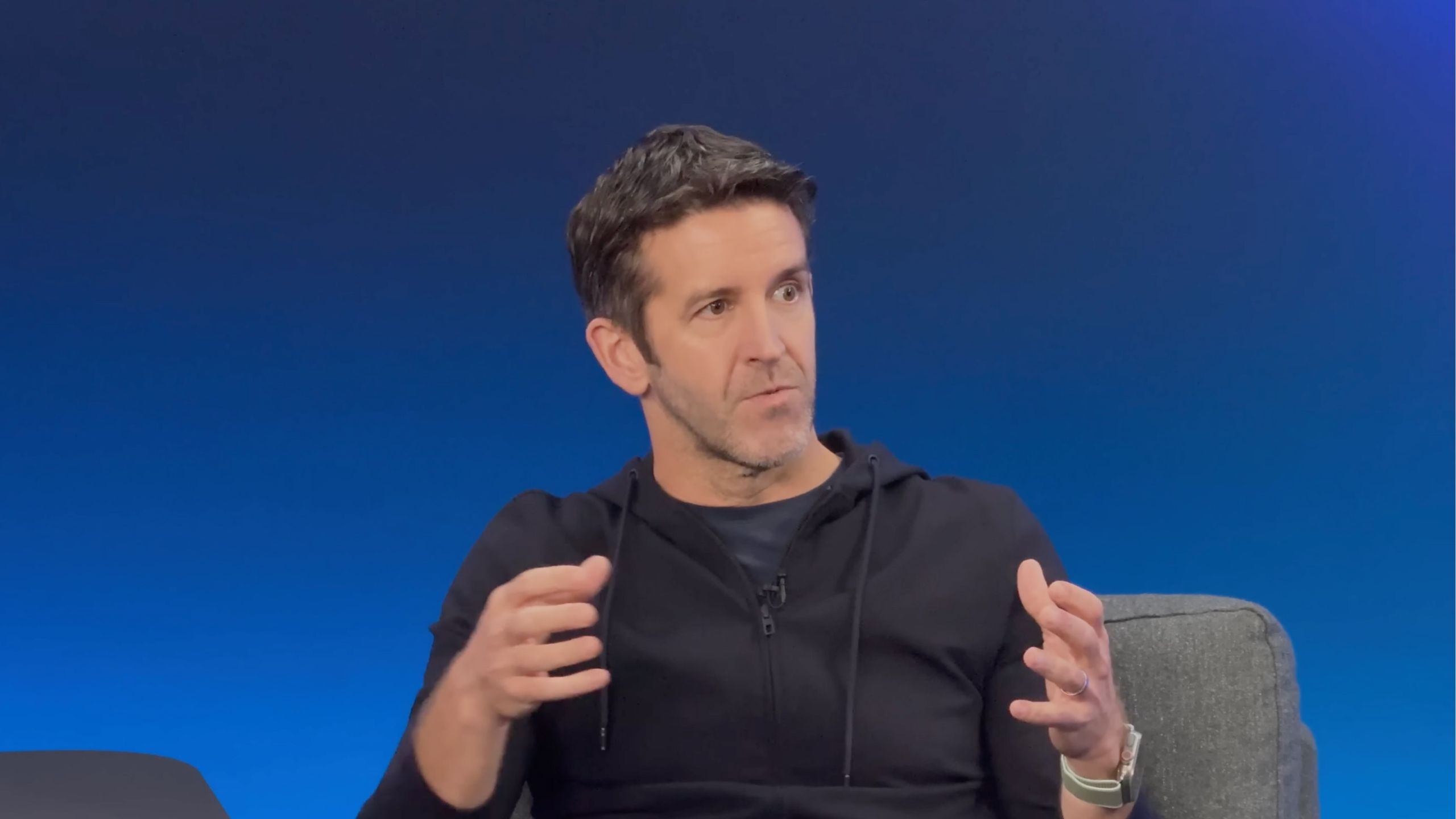
John Ternushas been named as Tim Cook's successor at Apple. The 51-year-old was widely regarded as the frontrunner for the role, and his appointment was confirmed in Apple's official announcement last week. Despite being a consensus pick, Ternus's record at Apple is not without controversy.
Before his appointment, Ternus made a series of product decisions that balanced innovation against profit margins, decisions that have now drawn renewed attention ahead of his move into the top role.
The sales figures told a stark story.Consumer Intelligence Research Partners data cited by The Informationshowed the iPhone Air accounted for just 3% of total iPhone sales in its launch month, compared to 9 per cent for the iPhone 17 Pro, and only one in 10 iPhone 17 buyers in the US chose the Air. In China, cumulative activations reached fewer than 200,000 units, less than 3 per cent of the iPhone 17 series' total sales in the same market,according to 36kr. Within 10 weeks of launch, the resale price in China had collapsed by more than 40 per cent.
Retailers were quick to register their dissatisfaction; the iPhone Air remained readily available for immediate delivery long after the iPhone 17 Pro was backordered. The supply chain response was equally swift: Apple cut its production plan in half within weeks of launch, Foxconn dismantled all but one and a half of its iPhone Air production lines, and Luxshare ended production altogether in October 2025.Apple subsequently shelved plans for a second-generation iPhone Airwith no new launch date announced.
Ternus has been described as a 'steady hand' who balances technical ambition with Apple's financial discipline. In 2018, Apple debated adding laser sensors to its iPhone range to improve photography and augmented reality features, an addition that would have raised the price across the line. Ternus pushed instead for laser sensors to be added only to Pro models, protecting the price of entry-level iPhones while preserving higher margins on premium devices.
Supporters praised the decision as fiscally pragmatic. The move drew criticism from users who argued it artificially restricted features on lower-end models to protect Pro line margins. This debate has resurfaced as Ternus prepares to take on the CEO role.
Change of era…Everything is moving faster at the moment.Fasten your seatbelt!Tim Cook to step down as Apple chief as John Ternus named replacement | Apple | The Guardianhttps://t.co/TPufA45ZA6
Tim Cook did not resign from Apple. He is transitioning to the role of executive chairman of Apple's board of directors, asconfirmed in Apple's official announcement. Cook joined Apple in 1998 at the age of 37 as senior vice president of worldwide operations and is now 65.
Cook expressed his full support for Ternusin Apple's official statement, describing him as an innovator, a leader, a visionary, and someone with 'the mind of an engineer.' Cook said he is committed to working with Ternus through the transition.
Ternus also released a statement saying he is grateful for the opportunity to carry Apple's mission forward, having worked closely with both Cook and the late Steve Jobs during his more than two decades at the company.
Source: International Business Times UK
