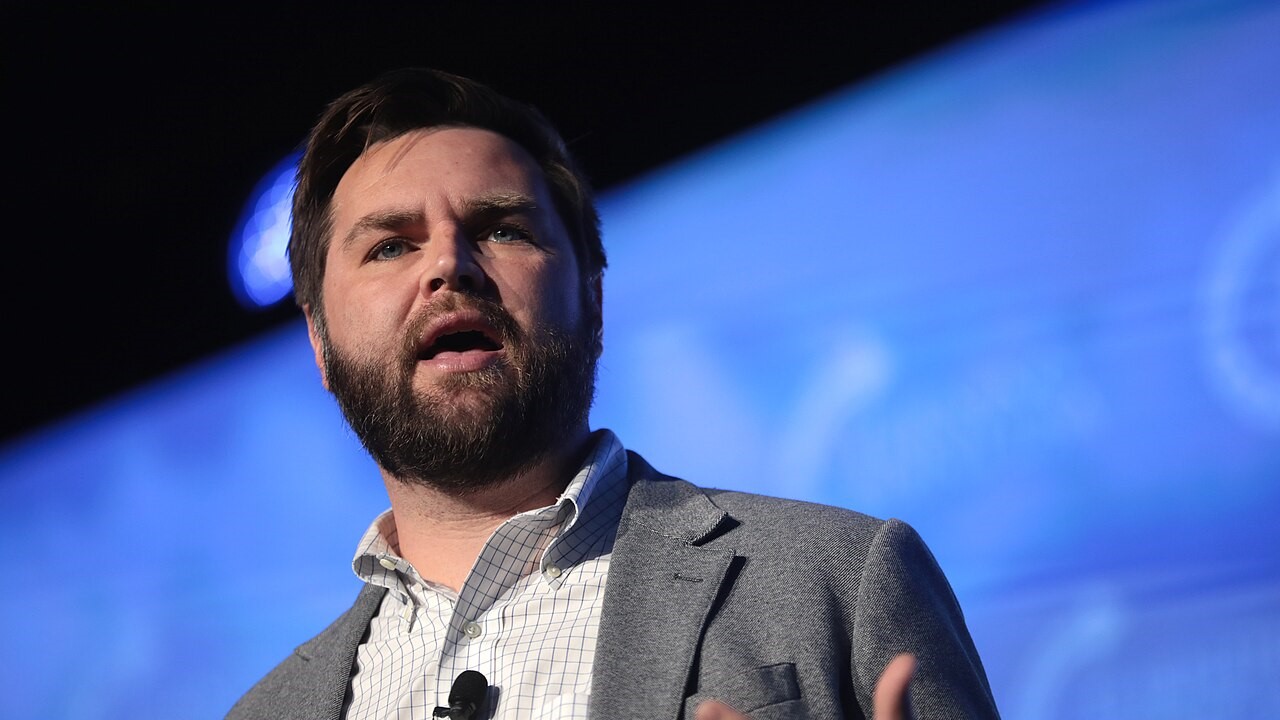
Iranian academic Mohammad Marandi, widely regarded as an informal conduit for Tehran's strategic messaging, has publicly advised JD Vance not to travel to Pakistan for negotiations, saying that 'with the current delusional and unrealistic demands and the continued naval blockade, no one in Tehran is willing to negotiate with him.' The remarks were posted on X asVanceweighs a potential trip toIslamabadaimed at reviving stalled Iran war talks.
Despite the public hostility, Reuters reported that Tehran is 'positively reviewing' participation in another round of talks, potentially led by parliamentary speaker Mohammad Bagher Ghalibaf, emphasising the dual-track nature of Iran's current diplomatic posture.
The controversial statement originated from Mohammad Marandi, an Iranian academic and media commentator known for defending the Islamic Republic's positions in English-language discourse. In apost on X, he advised Vance not to travel, arguing that 'with the current delusional and unrealistic demands and the continued naval blockade, no one in Tehran is willing to negotiate with him.'
I advise US Vice President JD Vance to unpack his suitcases and not to head to Islamabad. With the current delusional and unrealistic demands and the continued naval blockade, no one in Tehran is willing to negotiate with him.
Marandi's intervention is significant not merely for its tone but for what it reveals about prevailing sentiment among influential Iranian voices. Long associated with Iran's negotiating circles, he has frequently acted as an informal conduit for the country's strategic messaging to Western audiences.
His remarks align with broader criticism from Tehran, where officials have accused the United States of sending 'contradictory signals' and pursuing what they perceive as coercive diplomacy. Iranian President Masoud Pezeshkian recently warned of a 'deep historical mistrust' of the US, insisting that 'Iranians do not submit to force.'
Despite the harsh rhetoric, there are indications that diplomacy may still proceed. A senior Iranian official told Reuters that Tehran is 'positively reviewing' participation in talks expected to take place in Islamabad, potentially led by parliamentary speaker Mohammad Bagher Ghalibaf.
The planned meeting hinges on whether both sides can agree to resume negotiations before the expiry of a fragile ceasefire. The current pause in hostilities — linked to a conflict triggered by US and Israeli military action earlier this year — has created a narrow window for dialogue.
However, expectations remain low. Previous talks, led by Vance, collapsed after marathon discussions failed to bridge fundamental disagreements. Iran refused to halt uranium enrichment or relinquish its stockpile of highly enriched material, while the US maintained its insistence on strict nuclear limitations.
A central sticking point remains the escalating maritime confrontation in the Strait of Hormuz, a critical artery for global energy supplies. Tehran has demanded the lifting of a US-imposed naval blockade, while Washington has responded with aggressive enforcement measures.
Source: International Business Times UK
