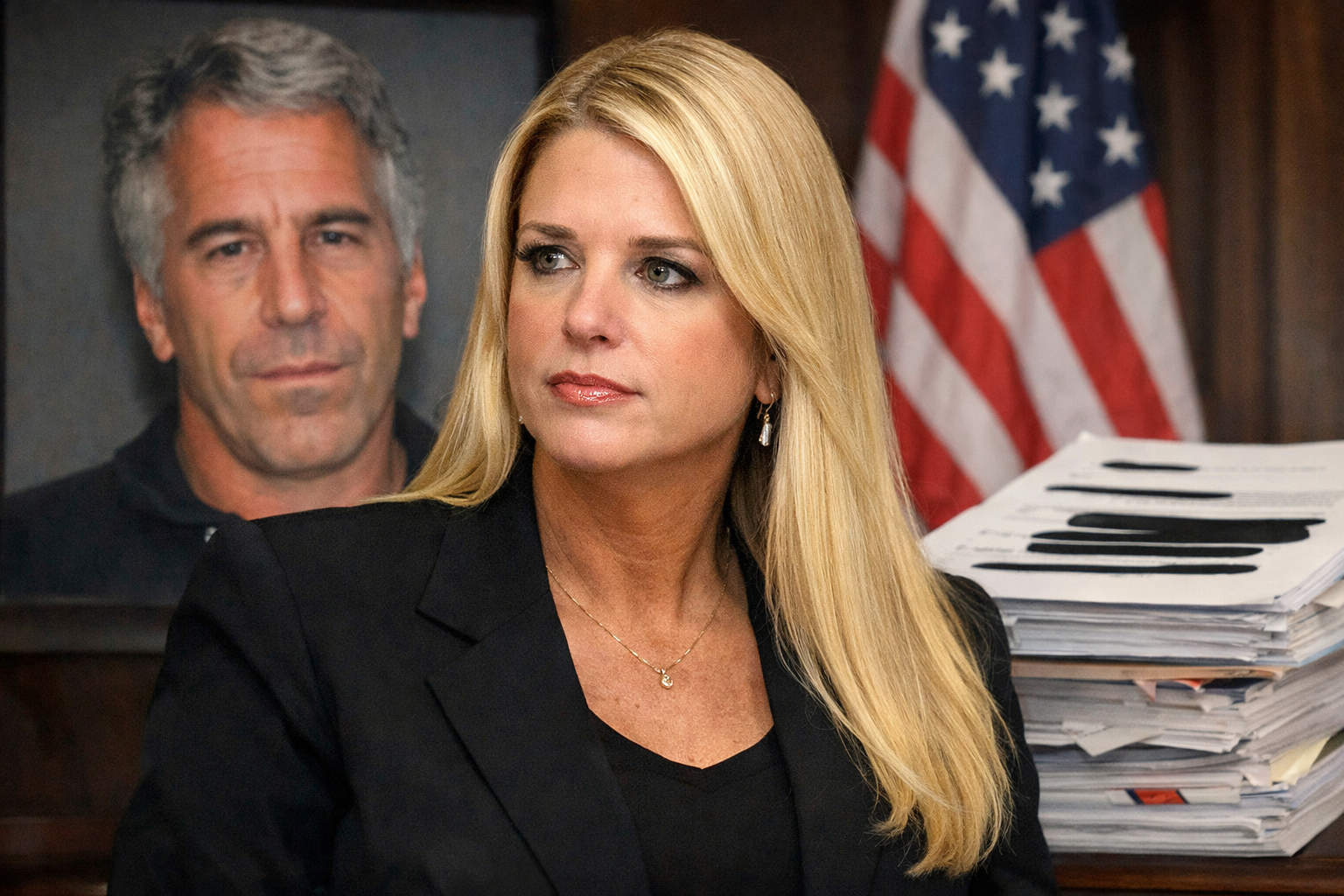
Pam Bondi, 60, sat with her back to the women who say Jeffrey Epstein destroyed their lives. For more than five hours on Wednesday, she did not turn around.
The US Attorney General faced theHouse Judiciary Committeeon 11 February to answer for her department's handling of over 3 million pages of Epstein-related documents released on 30 January. Survivors of Epstein's trafficking operation attended the hearing, some wearing white T-shirts with blacked-out text reading: 'The truth is, Epstein survivors are still waiting.'
What followed was one of the most bitter congressional exchanges of the year.
Congress passed the Epstein Files Transparency Act in November 2025, compelling theDepartment of Justice(DOJ) to release all government files connected to the case by 19 December.
The DOJ missed that deadline by more than a month. When more than 3 million pages were finally published on 30 January, the release drew immediate criticism from both sides.
Names of survivors appeared in the documents. Their photographs were visible. Private details were laid bare for anyone to read.
At the same time, the names of alleged associates of Epstein, including billionaire Les Wexner, whom theFBIonce referred to as a co-conspirator, were blacked out.
Representative Thomas Massie, a Kentucky Republican who co-authored the legislation,told Bondiduring the hearing: 'Literally the worst thing you could do to survivors, you did.'
Bondi responded by calling Massie a 'failed politician' with 'Trump derangement syndrome'.
The hearing's sharpest moment came when Representative Pramila Jayapal, a Washington Democrat, asked the survivors present to stand and raise their hands if they had not been contacted by the Department of Justice.
Source: International Business Times UK
