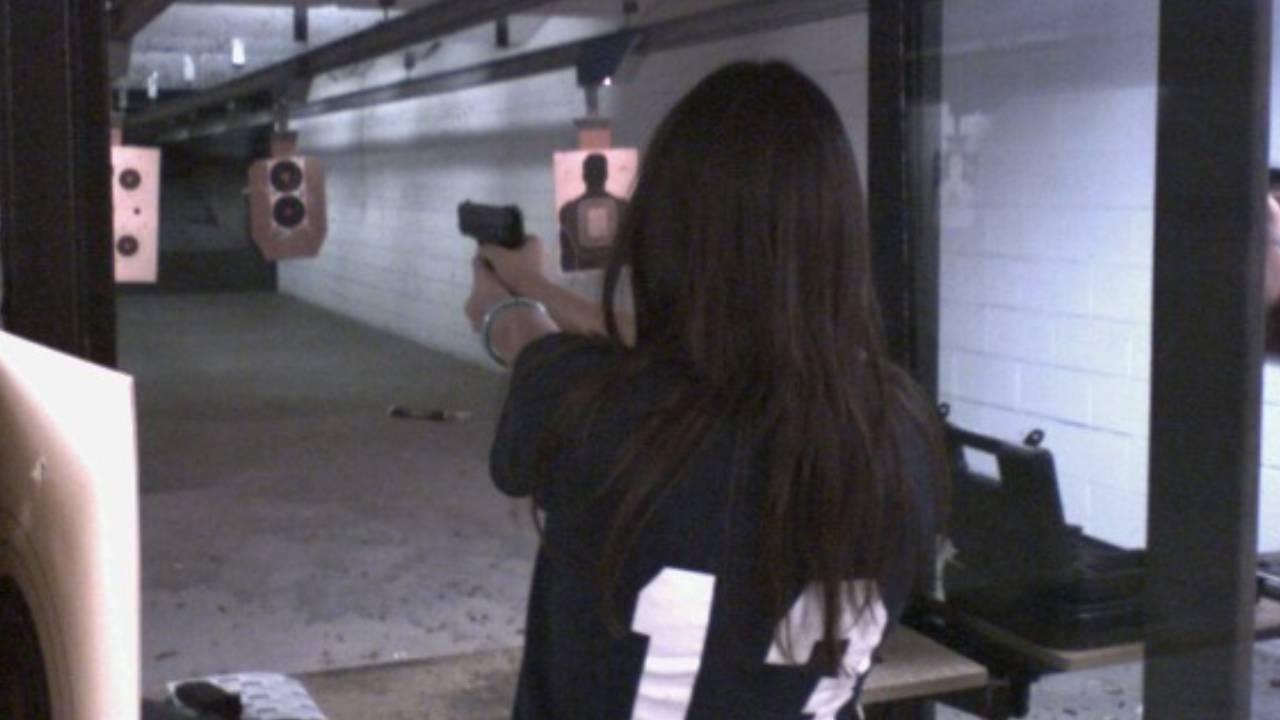
The gun range in central Iowa was never meant to feel like a confessional. Yet in recent weeks,instructors say it has begun to resemble one.
Women who once marched for tighter gun laws are signing liability waivers. Queer couples are booking back-to-back training sessions. Middle-aged professionals, the sort who might once have flinched at the sight of an NRA bumper sticker, are asking about concealed carry permits with a new, flinty seriousness.
What changed, they say, was not their politics. It was their sense of security.
The January shooting of Minneapolis ICU nurse Alex Pretti by federal agents has become a flashpoint. Pretti, a US citizen and concealed carry permit holder, was legally carrying a handgun when he was shot after a confrontation between agents and protesters during an immigration enforcement operation.
The Department of Homeland Security accused him of 'brandishing' a firearm while 'wishing to inflict harm on these officers,' assertions that video evidence has called into question. PresidentDonald Trumplater said Pretti 'shouldn't have been carrying a gun.' Jeanine Pirro, US attorney for the District of Columbia, echoed that stance on Fox News before walking it back on X.
For many, it was not merely the tragedy itself but the rhetoric that followed which landed hardest.
Across the country, gun groups report an unexpected surge in requests for firearm training, particularly from women, people of colour and self-identified liberals.
Lara Smith, national spokesperson for the Liberal Gun Club, describes the shift as startling. 'Right now, I don't even have people to send people to for immediate training, because everybody's booked up so far,' she said.
'Since the ICE ramp up in Minneapolis, and especially after Pretti's shooting, what we're seeing is an understanding. Not 'I want to arm up for revolution,' but, 'Oh, the Second Amendment is part of the Bill of Rights, and if I don't exercise my rights, I might lose them.''
The club is fielding thousands of new training requests, two to three times last year's volume, with a marked increase in women. Smith calls the wave 'unprecedented,' not just in scale but in motivation.
Source: International Business Times UK