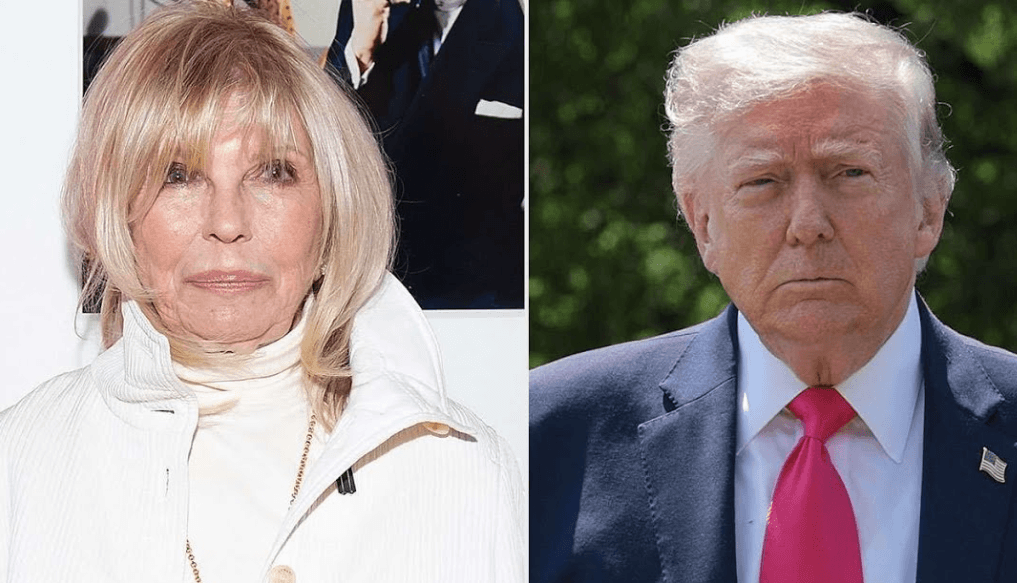
Nancy Sinatra has slammed Donald Trump for using the Frank Sinatra anthem 'My Way' in a Truth Social video.
The well-known singer issued a firm response on 20 April 2026 after the president shared the 1969 performance. She described the move as a 'sacrilege' and stated her father 'loathed' Trump during his life. This Sinatra-Trump My Way controversy erupted as the Truth Social post spread across social platforms, touching on themes of legacy and family memory.
Nancy Sinatra argued that the use of the song was inappropriate and offensive to her family. She has a history of disapproval of the president and has protected her father's work from political associations for years.Primetimernotes that she feels the clip violates her father's values.
This dispute is the latest in a series of pushbacks from artists who object to the use of their music in political campaigns. The Sinatra estate continues to monitor the use of the late singer's work to ensure it remains aligned with his personal history.
President Trump Posts on TruthSocial.“And now, the end is near / And so I face the final curtain… ⁰Regrets, I’ve had a few / But then again, too few to mention… ⁰I did it my way.”pic.twitter.com/V27aQvo3mu
The controversy began when Donald Trump shared a video on Truth Social that included Frank Sinatra's performance of 'My Way', a song widely associated with reflection, finality, and personal reckoning. While Trump did not provide extensive context in the post, the song's imagery and timing immediately drew attention online.
Nancy responded firmly, stating that her father 'loathed Trump' and described the use of the performance as a 'sacrilege'. TheThese Boots Are Made for Walkin'star also shared a video of ICE agents in New Orleans writing: 'This is not my father's America. He would be devastated. Trump is so wrong in so many ways.'
This is a sacrilege.https://t.co/cPWoXiu0V6
Frank Sinatra's song ' My Way ' has resurfaced repeatedly over the years, largely because it is not a neutral song. Written by Paul Anka and performed by Sinatra in 1969, it reflects themes of individualism, reflection on life choices, and finality.
That emotional depth is precisely why its use in political messaging often sparks debate. Many listeners interpret it as a farewell anthem or a legacy statement, which can feel loaded when placed in a political setting.
Source: International Business Times UK
