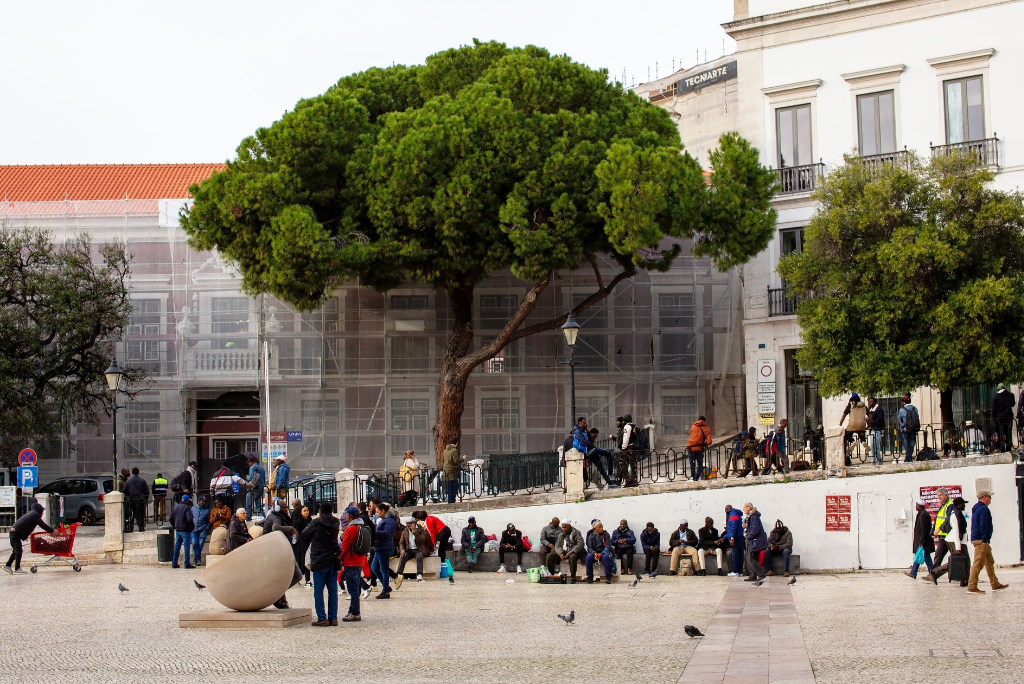
In recent weeks, public parks, squares, and gathering spots in Spain’s biggest cities — especially Madrid — have suddenly emptied out of many illegal Moroccan migrants.
The Moroccan newspaper Assabah is reporting it, accusing Spain of “police repression” against its citizens, while conveniently ignoring the latest crime statistics and the growing insecurity in Spanish neighborhoods.
According to official numbers from Spain’s Ministry of the Interior, in 2025 authorities issued41,315 expulsion ordersand actually carried out3,398 deportations—a 12% increaseover 2024 and the highest figure in five years. At least120 Moroccan nationalsalready identified as illegal are now facing extradition or deportation back to Morocco.
Several others involved in serious crimes committed in Spain are also in the process of being expelled, requiring close coordination with Moroccan authorities (Spain has had a readmission agreement with Morocco since 1992, which has been renewed in practice).
Should we take this news seriously and celebrate it as a much-needed first step toward taking back control of our streets?
For years, out-of-control illegal immigration has created a powerful “pull effect” with devastating consequences for ordinary Spaniards. This isn’t about turning away people who come legally, work hard, and obey the laws. It’s about finally ending a broken system that rewards those who cut in line and enter through the back door.
The real cost to Spaniards: more crime, fewer opportunities, and crushing tax burdens
Illegal immigration is not harmless. In neighborhoods across Madrid and other cities, there has been a clear rise in street crime — violent robberies, thefts, and assaults — that hits working and middle-class families the hardest. Police sources and independent studies have shown for years that certain groups, including illegal Moroccan migrants, are heavily overrepresented in arrests for robbery, drug trafficking, and serious sexual crimes. In 2024, foreigners made up roughly31% of Spain’s prison population— more than double their share of the overall population — with North Africans disproportionately involved in property crimes and drugs.
At the same time, Spaniards pay some of the highest taxes in Europe. A big chunk of that money goes toward housing, healthcare, and schooling for people who often don’t contribute back into the system.
Everyday Spaniards watch their hard-earned tax dollars fund a system that puts them last: fewer job chances, more danger on the streets, and the sinking feeling that Spain no longer puts its own people first.
Source: The Gateway Pundit
