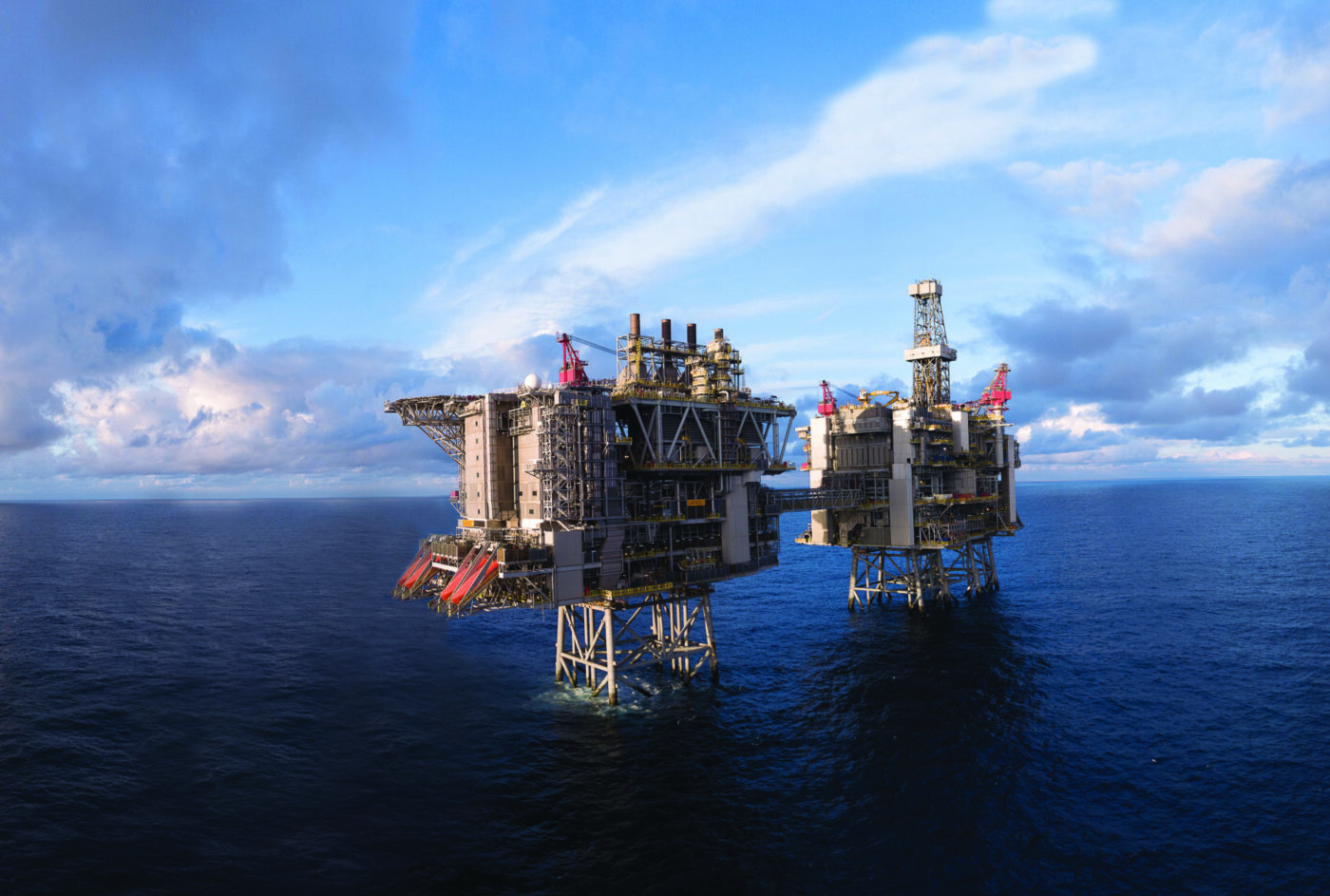
Britain has launched a major emergency war game to protect vital energy pipes from clandestine Russian 'shadow' threats asfears of a global conflict loom over the North Sea.
The launch of 'Exercise Granite Resolve' in Aberdeen marks a critical shift in how the United Kingdom defends its underwater assets from hostile state actors. More than 70 industry experts, Police Scotland officers, and government officials have gathered at the Offshore Energies UK Security and Resilience conference to simulate a nightmare scenario of drone swarms and cyber-sabotage.
Defence officials have confirmed that the drill follows reports ofRussian submarines lurking near critical subsea cables and pipelines in the High North. While organisers have avoided naming the Kremlin as a direct antagonist, the 'Grey Zone' tactics being tested are a clear signal to Moscow.
TheExercise Granite Resolvesimulation forces participants to react to masked 'activists' boarding oil rigs and mysterious digital intrusions that threaten to plunge Britain into darkness. It comes as the Department for Energy Security and Net Zero warns that any successful strike on North Sea assets would be treated with 'serious consequences'.
Planners are focusing on how quickly a local maritime incident could escalate into a wider confrontation, testing the resilience of the nation's energy architecture amid increasing international tensions. The exercise acts as a 'desktop' war room, where real-time decisions made by energy giants could determine if the lights stay on across the UK during a genuine security breach.
TheUK Defence Secretary John Healey has already warned Moscowthat any attempt to damage critical infrastructure would bring 'serious consequences,' a phrase that hangs in the air even as officials stress that this week's drill is not aimed at any specific country.
The North Sea is laced with infrastructure that most people never see but rely on every day: oil and gas platforms, subsea pipelines, power interconnectors and data cables. It is precisely this hidden network that military planners worry could be vulnerable in the grey zone between peace and open conflict, a space where talk of World War 3 tends to be more about pressure and posturing than tanks crossing borders.
Officials organising Granite Resolve have been careful not to name Russia as the fictional antagonist. The scenario stops short of pointing a finger, instead sketching a murky picture of 'activists,' unexplained vessel movements, and digital intrusions whose origins are ambiguous.
Mark Wilson, energy operations director at Offshore Energies UK, said the sector has long-standing systems to deal with the traditional dangers of working at sea, such as fires, explosions and severe weather. Those, he suggested, are almost familiar. The newer risks are not.
'Responding to some of the evolving physical and cyber security threats requires us to be on the front foot and be agile in our thought process,' he told the Press Association.
Source: International Business Times UK
