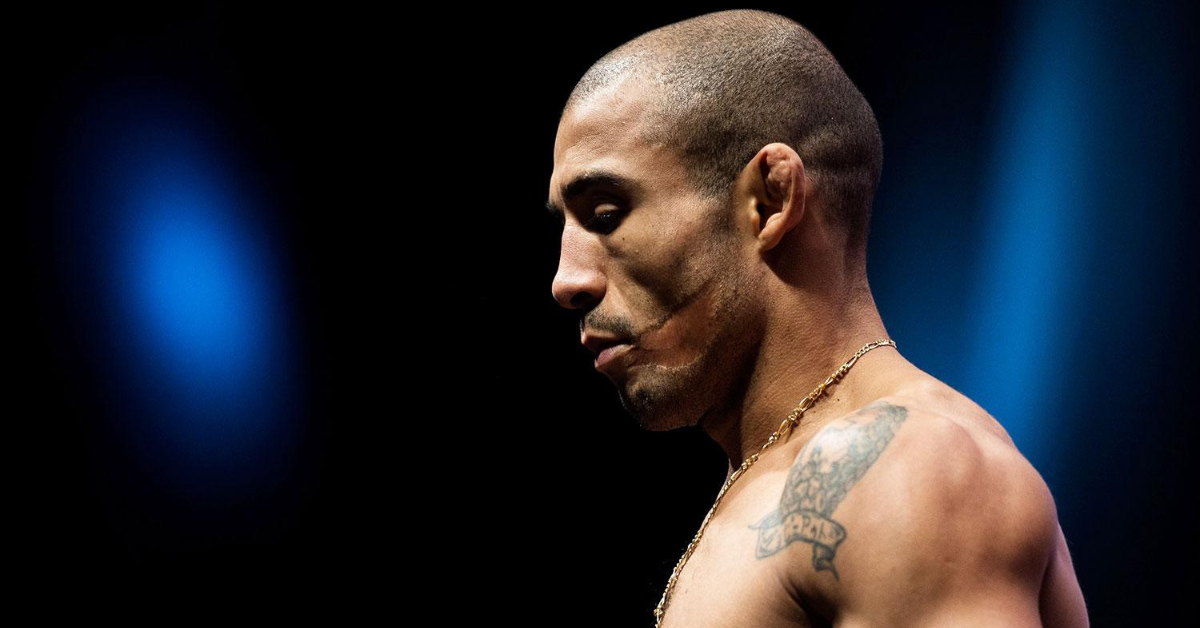
Jose Aldohas spent enough time at the top of the sport to know what a strong MMA nation looks like. In this exclusive interview, the former UFC and WEC featherweight champion gave a measured view of Brazil’s future in mixed martial arts, mixing concern with hope as he looked at where the country stands today. His comments land at a time when Brazil still produces ranked UFC fighters and major contenders, but the title picture has changed fast in 2026.
Aldo said the difference starts with mentality. He contrasted his era with the current one by saying the path used to be harder, with fewer openings and more value placed on discipline and the martial arts side of the game. That point holds weight when placed against Brazil’s history in the UFC.
Speaking in an exclusive interview with LowKick MMA’s Tim Wheaton, with the help ofJackpot City Casino, Jose Aldo explained:
“It’s hard to say. Nowadays, I think the current generation is a bit more complicated than mine. In my time, there was more heart, more of that martial arts spirit. It was harder to make it—you didn’t have as many opportunities.”
He also pointed to the effect of online hype on young athletes.Aldosaid social media praise can create a false sense of level before a fighter reaches a serious gym and sees the actual standard required to compete. He continued:
“I caught a bit of the YouTube era, promoting yourself and all that. But today, a lot of fighters get hyped by friends online, comments saying they’re amazing—it goes to their head. Then reality hits when they join proper teams and realise they’re not quite there yet.”
He said past Brazilian generations built a standard that thecurrentcrop has not matched yet. That criticism is easy to track in the standings. Alexandre Pantoja’s title run ended in late 2025 after an injury stoppage, andCharles Oliveira, while still one of Brazil’s biggest names, is now carrying a symbolic BMF belt rather than a divisional UFC title.
“So it’s difficult, but I hope the sport grows, new athletes emerge and succeed—because Brazilian MMA deserves it. In the past, we had generations that built a legacy. By my generation, we had four belts. Today, we don’t have any. It’s still veterans trying to carry Brazil, like Charles, who’s from the tail end of my generation and is still competing. I hope new fighters come through and dominate again.”
Even so, Aldo did not frame the future as closed off. Brazil still has proven names near the top, including Oliveira,Alex Pereira, Diego Lopes and Pantoja, and the pipeline remains active through domestic shows and development leagues. UFC itself has flagged Brazilian featherweight Melquizael Costa as one of its breakout candidates for 2026, which fits Aldo’s belief that the next wave can still arrive if it is built on the right habits.
Brazil’s place in MMA history was built by names who changed the sport at different stages. Royce Gracie helped introduce Brazilian jiu-jitsu to a global audience in the early UFC years and showed that technique could beat size, while Wanderlei Silva became one of the defining stars of PRIDE with his pressure and violence, Shogun Rua carried that Chute Boxe style into a Hall of Fame career and later won the UFC light heavyweight title, andVitor Belfortgave Brazil one of its earliest crossover stars with success that stretched across multiple eras.
Source: LowKickMMA.com
