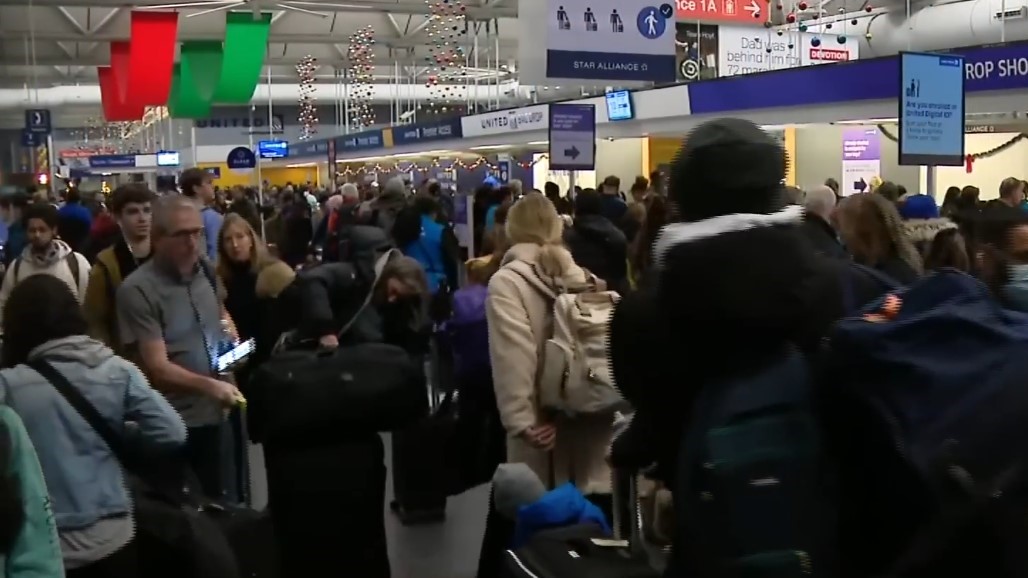
The ongoing conflict in Iran has greatly affected the global aviation industry due to fuel shortage, prompting airlines to cancel flights. Aside from cancellations, passengers are also experiencing delays and rerouting.
In particular, European countries have been mostly hit as the continent relies heavily on imported jet fuel, with around 75% coming from external supplies.
International Energy Agency (IEA) director Fatih Birol warned that Europe has only about 'six weeks' of jet fuel left, with some countries holding several months' worth of jet fuel inventory at a time, describing the situation asthe largest energy crisis we have ever faced in history', The Associated Press reported.
Airlines and aviation bodies, including theInternational Air Transport Association (IATA),also said that Europe could face widespread summer flight cancellations in late May as shortages persist.
The current situation has prompted several airlines to cut routes this summer due to fuel shortages.
On Thursday,German carrier Lufthansa announced that it is closing its regional unit, CityLine, citing the impact of surging fuel costs and strikes, 'in order to reduce further losses of the loss-making airline'.
On Friday, Delta Airlines said it is cutting four routes this summer, as part of its 'normal planning process'.
Air Canada, meanwhile, announced that it is cutting routes from Toronto and Montreal to New York's JFK Airport from 1 June through 25 October due to rising jet fuel costs.
In addition, KLM Dutch Airlines also cited rising costs for adjusting its flight schedule this month as certain routes are 'no longer financially viable to operate'.
While airlines are greatly hit by rising jet fuel costs, passengers are also at risk of experiencing cancelled or delayed flights. What are the rights of passengers when this occurs, and how do airlines provide remedies in this situation?
Source: International Business Times UK
