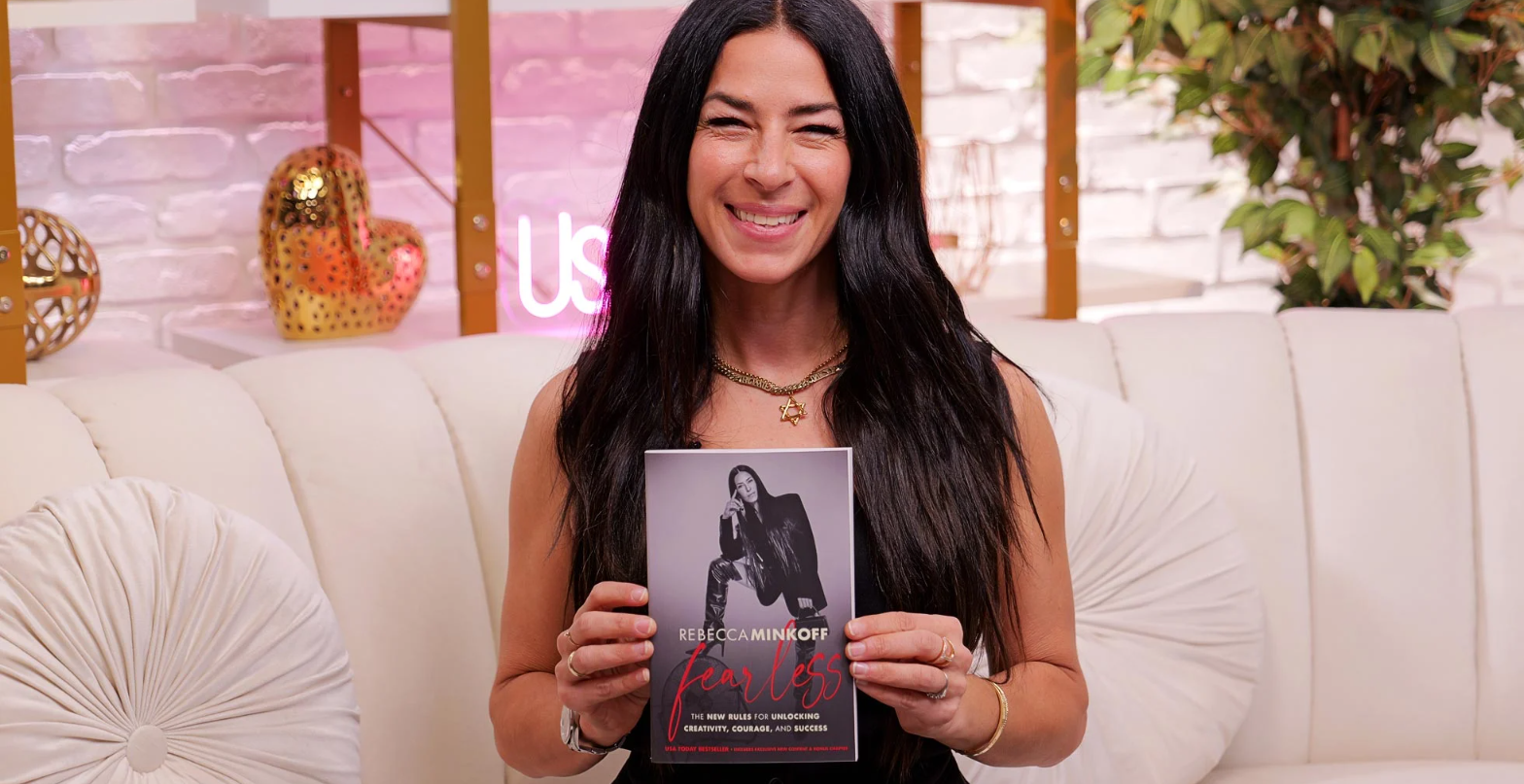
Entrepreneurs often talk about building a legacy. Far fewer conversations focus on what happens to that legacy after the founder is gone. Fashion entrepreneur Rebecca Minkoff recently sparked discussion about that very issue after revealing she added what she jokingly calls a 'floozy clause' to her will.
Speaking during a 2025 appearance on the Trading Secrets podcast, Minkoff explained that the clause is designed to protect the wealth she built over two decades if her husband were to form a new relationship after her death.
Her reasoning was blunt. She said she does not want 'some new hot young thing' benefiting from the fortune she spent years building. Instead, she wants that wealth to remain focused on the people she originally intended to support—her children.
Minkoff launched her fashion brand in 2005 with her brother, Uri Minkoff. What began as a modest handbag venture eventually grew into an internationally recognised fashion label with stores and partnerships around the world. She married entrepreneur Gavin Bellour in 2009. At the time, she later recalled, neither of them had accumulated significant wealth.
Even so, Minkoff insisted on signing a prenuptial agreement before the wedding. Her philosophy was simple: each partner should retain ownership of what they personally build. Looking back, she has joked that their early financial agreement could almost have been written on a napkin. At the time, there was little money involved. Years later, however, the scale of her business—and the assets connected to it—looks very different.
Beyond her fashion label, Minkoff has expanded her public profile through books, speaking engagements and television appearances. She also briefly appeared on The Real Housewives of New York City before stepping away after one season. As her success grew, so did the need for more structured long-term financial planning.
The clause Minkoff described during the podcast interview is essentially a form ofestate planningdesigned to protect family wealth. If her husband were to enter a new relationship after her death, the clause directs her assets into a trust created for the benefit of her four children.
Her husband could still play a role in overseeing the trust. However, the funds themselves would remain dedicated to the children rather than supporting a future partner. Despite the unusual nickname, the legal structure behind the clause is not unusual. Many families establish trusts that ensure assets ultimately pass to their children while limiting the possibility of wealth being redirected to future spouses or partners. The goal is to provide long-term financial security for the next generation while maintaining clear instructions about how the assets should be used.
Interestingly, Minkoff said the idea was not originally hers. During her podcast conversation, she revealed that her mother suggested adding the clause while they were discussing marriage and long-term financial planning.
Her mother's reasoning was straightforward. Lifecircumstances can change dramatically after someone passes away. New relationships may influence financial decisions in ways families never expected. Adding a clause in advance removes that uncertainty. At first, Minkoff admitted the suggestion sounded a bit extreme. But after thinking about it more carefully, she decided the protection made sense.
Source: International Business Times UK
