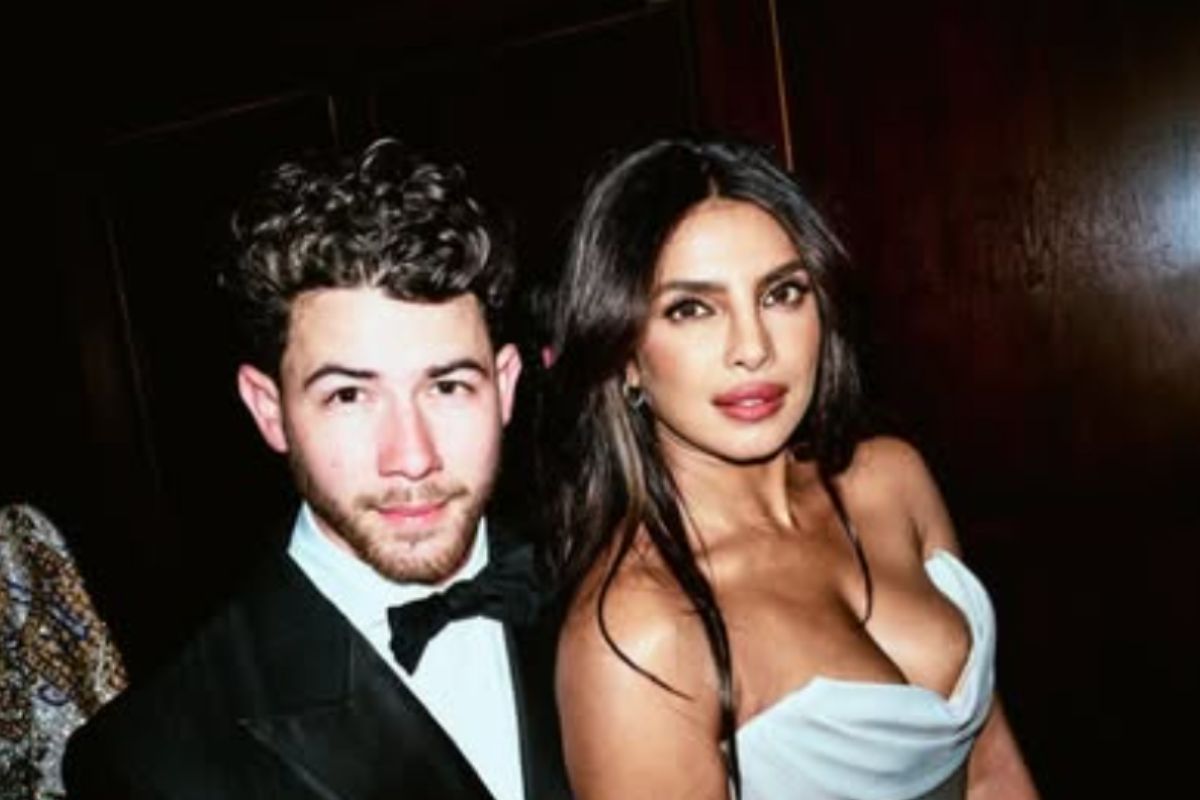
From the moment Priyanka Chopra and Nick Jonas confirmed their relationship in 2018, public reaction was immediate and, at times, sharply critical. Their fast-moving courtship, which led to an elaborate multi-day wedding celebration in India later that year, generated sustained headlines across both Western and Indian media markets.
Much of the scrutiny centred on their 10-year age difference and their intercultural backgrounds. Chopra, an establishedBollywoodandHollywoodactor and former Miss World, was frequently positioned as the 'older' partner, while Jonas was characterised as the younger pop star, a framing that amplified online debate and reinforced persistent double standards around age and gender.
In a recent interview, Chopra conceded that the public narrative surrounding her marriage was difficult to tune out in its early stages.She described the initial wave of commentary as 'very hurtful,' particularly when it questioned not only the couple's age gap but also the authenticity and longevity of their relationship.
She indicated that what appeared to unsettle some critics was not merely the 10-year difference, but the intersection of nationality, religion and global career profiles. With time, however, she said the commentary lost its weight, explaining that the speculation no longer holds significance and concluding simply: 'It doesn't matter.'
Age differences in celebrity relationshipsare relatively common, yet public reactions often shift depending on which partner is older. In Chopra's case, commentary repeatedly centred on her age, drawing attention in ways comparable male celebrities in similar situations seldom experience.
Observers of media culture have long pointed out that female public figures are subject to more intense scrutiny when they step outside traditional norms. The way Priyanka Chopra and Nick Jonas' marriage was framed reflected wider societal unease about older women in prominent relationships with younger men, reinforcing persistent gender-based double standards.
Beyond their age gap, the couple's intercultural marriage became a further source of debate. Their wedding celebrations, which blended Christian and Hindu traditions across several days, were extensively shared online and, in some quarters, criticised as excessive or overly 'performative.'
Supporters countered that multi-day Hindu weddings are customary and culturally rooted, rather than displays designed for spectacle. For many observers, the ceremonies reflected an intentional celebration of heritage and family tradition, not an attempt to court approval or amplify publicity.
Nearly eight years into their marriage, the steadiness of their relationship has steadily undercut early doubts about its longevity. The couple now share a daughter and have spoken openly about navigating demanding international careers while prioritising family life, projecting a sense of stability that contrasts with the scepticism that once surrounded them.
Chopra indicated that the passage of time itself has served as the most convincing rebuttal to critics. Rather than confronting each rumour or online narrative, she and Jonas appear to have focused on continuity and discretion, allowing consistency to speak louder than speculation.
Source: International Business Times UK
