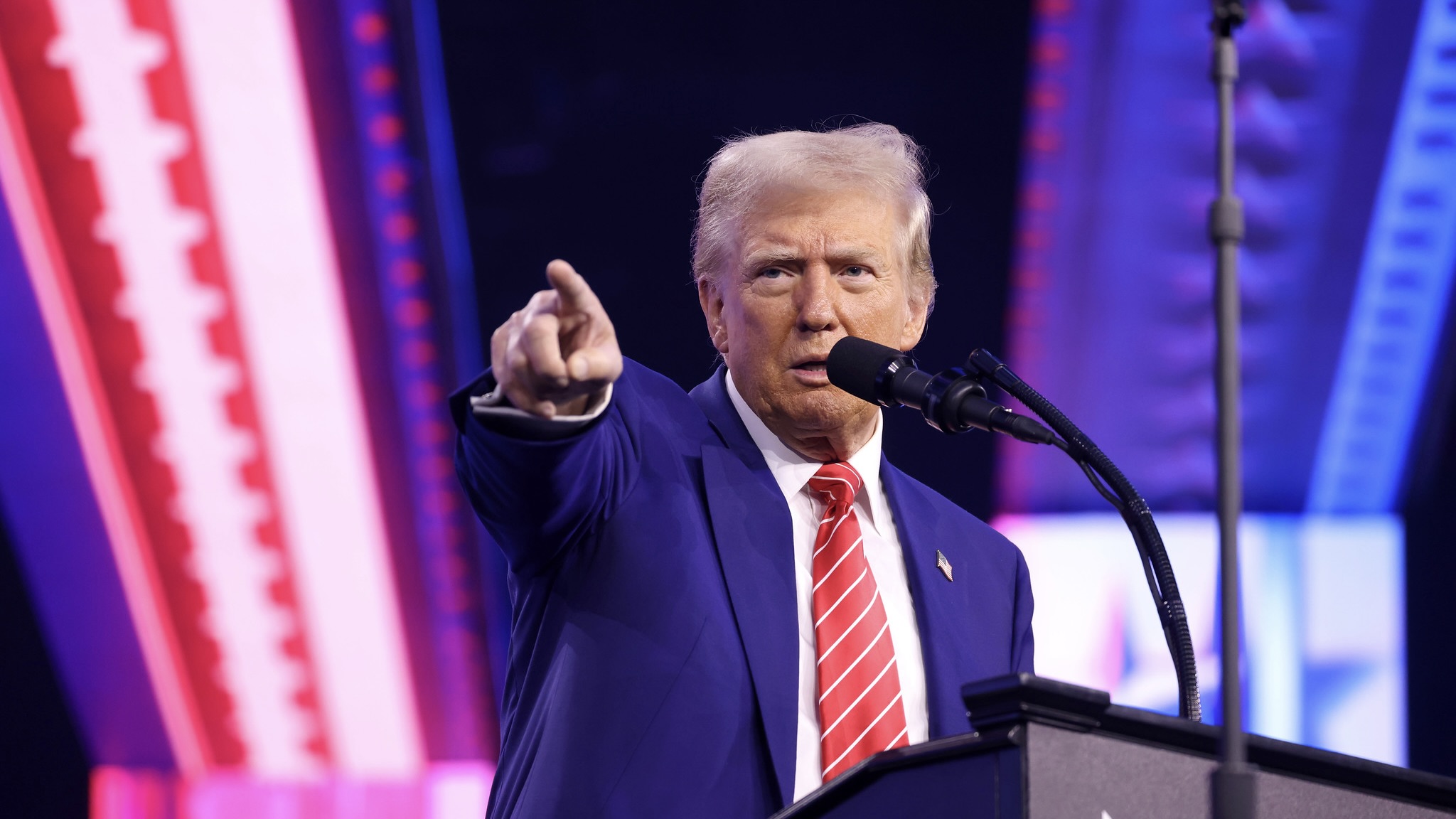
President Donald Trump is rallying his base to support the reauthorisation of a controversial foreign surveillance programme. In a notable shift from his previous criticisms of federal intelligence agencies, he is currently advocating for the extension of the Foreign Intelligence Surveillance Act.
The legislation enables intelligence services to monitor foreign targets but has faced scrutiny for inadvertently collecting data on domestic citizens. Trump has called on conservative lawmakers to unite behind the measure, arguing that national security should take precedence over privacy concerns.
Section 702 of the Act lets the government intercept foreign communications without obtaining a warrant. The catch is that this system regularly captures messages from US‑based individuals, which has prompted a significant debate about civil liberties.
Privacy advocates are raising concerns because they believe federal agencies routinely search this large intelligence database without sufficient oversight.
House Speaker Mike Johnson, along with lawmakers such as Jim Jordan and Rick Crawford, is pushing to renew the bill without major changes. They are facing resistance from conservative groups that are refusing to support the measure in its current form.
These critics are demanding stricter warrant requirements before officials can access data belonging to US citizens. The internal disagreement highlights a broader divide over how to balance national defence with privacy rights.
The ongoing debate has forced lawmakers to weigh intelligence advantages against the risk of domestic surveillance overreach. Critics remain firm that any programme renewal must include substantial reforms, arguing that the system is vulnerable to political misuse.
Trump addressed the controversy by highlighting the legal distinction between different sections of the intelligence framework. He noted that the domestic collection protocols, which he asserts were used during earlier investigations into his campaign, fall under Title I rather than Section 702. By drawing this distinction, he aims to reassure supporters that the bill is focused on foreign adversaries.
In a detailed statement, the president explained his willingness to accept personal risks for what he described as the broader benefit of the armed forces. Trump stated: 'While parts of FISA were illegally and unfortunately used against me in the Democrats' disgraceful Witch Hunt and Attack in the RUSSIA, RUSSIA, RUSSIA Hoax, and perhaps would be used against me in the future, I am willing to risk the giving up of my Rights and Privileges as a Citizen for our Great Military and Country!'
This declaration marks a notable shift in tone for the president, who just days earlier had urged lawmakers to 'KILL FISA' before reversing course to back the clean extension.
Source: International Business Times UK
