WASHINGTON (AP) — President Donald Trump said U.S. negotiators will head to Pakistan on Monday for another round of talks with Iran, raising hopes of extending a fragile ceasefire set to expire by Wednesday, even as Washington and Tehran remain in a standoff over the Strait of Hormuz.
But several hours later, Iran had not confirmed it would attend. Its chief negotiator, parliament speaker Mohammed Bagher Qalibaf, said in an interview aired on state television late Saturday that “there will be no retreat in the field of diplomacy,” while acknowledging a wide gap remained between the sides.
Host Pakistan also did not confirm a second round, but authorities began tightening security in Islamabad. A regional official involved in the efforts said mediators were finalizing preparations and U.S. advance security teams were on the ground. The official spoke on condition of anonymity because they weren’t authorized to discuss preparations with the media.
The White House said Vice President JD Vance, who led the first round of historic face-to-face talks over 21 hours last weekend, would lead the U.S. delegation to Pakistan with envoys Steve Witkoff and Jared Kushner.
Iran on Saturday said it had received new proposals from the United States. It was unclear whether either side had shifted stances on issues that derailed the last round of negotiations, including Iran’s nuclear enrichment program, its regional proxies and control over the Strait of Hormuz.
Trump's announcement repeated his threats against Iranian infrastructure that have drawn widespread criticism and warnings of war crimes. If Iran doesn't agree to the U.S.-proposed deal, "the United States is going to knock out every single Power Plant, and every single Bridge, in Iran,” he wrote.
Iran says transits of the Strait of Hormuz are ‘impossible’
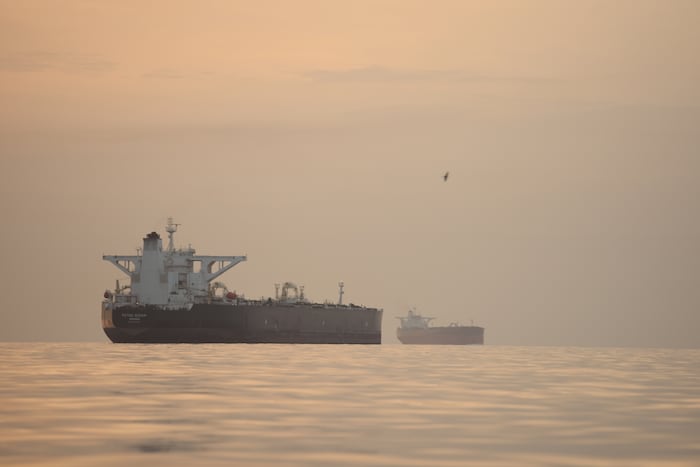
Ships remain unable to transit the critical waterway amid threats from Iran and a U.S. blockade on ships heading to and from Iranian ports. Hundreds of vessels were waiting at each end for clearance.
One of the worst global energy crises in decades threatened to deepen. Roughly one-fifth of the world’s oil trade normally passes through the strait, along with critical supplies of fertilizer for the world's farmers, natural gas and humanitarian supplies for places in dire need like Afghanistan and Sudan.
Iranian officials earlier on Sunday held firm that ships wouldn't pass while the U.S. blockade remained in effect. “It is impossible for others to pass through the Strait of Hormuz while we cannot,” Qalibaf said.
Source: WPLG
