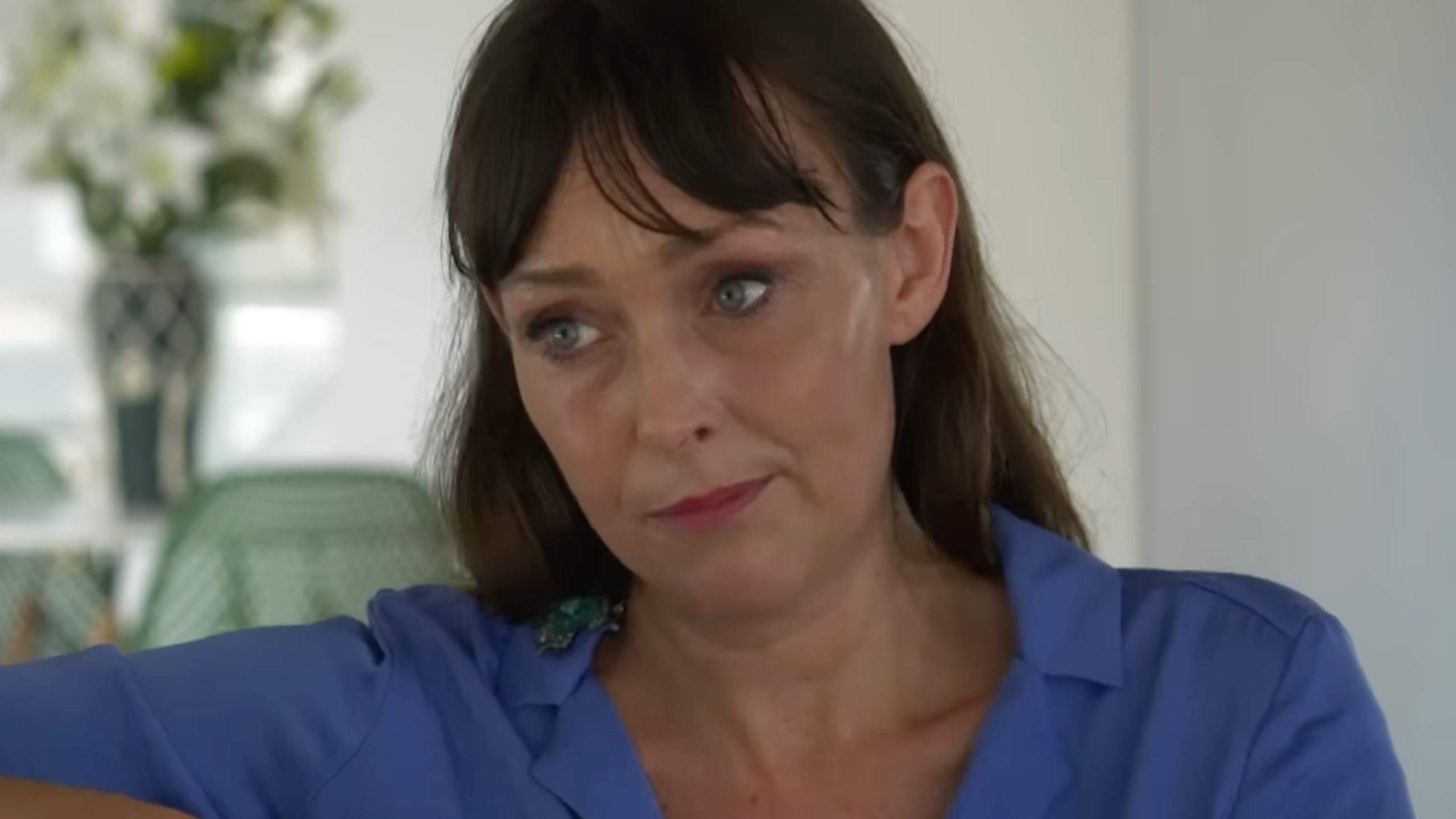
Epstein survivor Juliette Bryant has publicly accused the US Department of Justice of publishing an alleged nude photograph of her, taken by Jeffrey Epstein without her consent, as part of its mass release of files from the convicted sex offender's investigation.
In a post to X on 17 April 2026, Bryant, who says she was trafficked by Epstein from South Africa in 2002, wrote: 'DOJ! SHARING NAKED PHOTOS OF ME THAT I HAVE NEVER SEEN. TAKEN BY EPSTEIN. DOJ IS SUPPOSED TO PROTECT VICTIMS NOT HURT THEM.'
Bryant, who was compensated through the Epstein Victims' Compensation Programme in 2020 and reached a separate settlement with JP Morgan Chase in 2023, has been one of the most publicly visible survivors throughout the file release process. Her latest allegation is among the most direct: that the agency tasked with delivering justice for Epstein's victims has itself become an instrument of their further violation.
Bryant has described her recruitment in detail in multiple public interviews, includingan account given to CBS Newson 18 February 2026. She says she was 20 years old, studying psychology and philosophy in Cape Town and modelling part-time when she was approached at a restaurant in 2002 and introduced to Epstein, who was dining with, among others, former US President Bill Clinton, actor Kevin Spacey and comedian Chris Tucker. Clinton has denied any knowledge of Epstein's crimes.
Epstein's office arranged a US visa for Bryant within three weeks, covering all expenses. She says her passport was taken from her on his plane before she was sexually assaulted in mid-flight. 'As the airplane took off, he started touching me forcibly in between my legs, and I freaked out,' she told CBS News.
'I realised this is not a modelling opportunity, I've been kidnapped,' Bryant said. She says she was taken to multiple Epstein properties, including his private island in the US Virgin Islands and a ranch in New Mexico, before escaping the network in 2003.
In civil proceedings, Bryant was represented by attorney Sigrid McCawley. Court filings from those cases, cited inABC News reporting from 2020, show Bryant alleged that Epstein repeatedly raped and sexually abused her across multiple properties and that as recently as June 2019, the month before his arrest, he emailed her requesting nude photographs. Those emails are among the material sought in discovery proceedings.
Bryant's complaint about the alleged publication of her image does not stand in isolation. CNN's investigation, conducted in partnership with Israeli AI software company Visual Layer, analysed 100,000 photographs from the DOJ's Epstein files database.
The review found more than 100 explicit images of what appeared to be naked teenagers on a beach, nude selfies, unredacted photos of Epstein with a naked female, unredacted pictures of toddlers and young children and personal data from at least seven passports and driving licences showing names, addresses and dates of birth.
Several of these images remained on the DOJ's public website for nearly a month. The image of a young girl kissing Epstein's cheek, for example, was unredacted and publicly viewable until CNN contacted the DOJ for comment, after which the agency uploaded redacted versions within 24 hours. 'It was pretty easy to find, in a few minutes, problematic content,' Visual Layer founder Danny Bickson told CNN. He noted the DOJ's site used only 'a basic search engine' that could not search images, leaving the explicit material to circulate undetected.
Source: International Business Times UK
