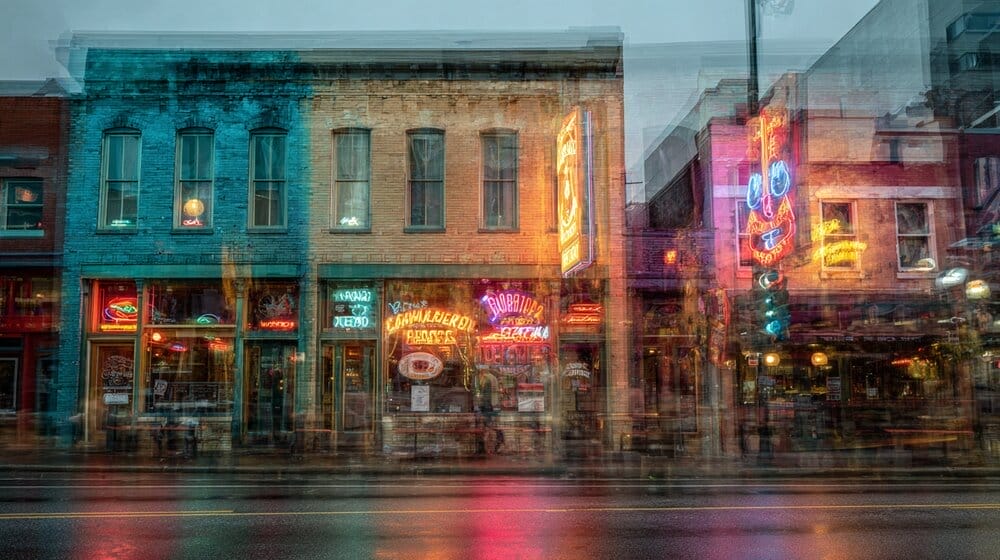
Tennessee’s 2020 pandemic shutdowns sparked a new bill that would protect all jobs in that state from being labeled “non-essential” in future emergencies. With lawsuits to hold officials accountable, it’s a bold move against what one lawmaker calls overreach. Lisa Fletcher explores the lessons driving this change.
The following is a transcript of a report from “Full Measure with Sharyl Attkisson.”Watch the video by clicking the link at the end of the page.
In late 2019, Danny Muniz opened the barbershop he’d always dreamed of.
It was just 20 minutes from downtown Nashville, and business was picking up, until COVID hit, and the governor’s lockdown orders forced non-essential businesses, like barber shops, to close to help stop the virus from spreading.
Danny Muniz: We just had opened the barbershop six months prior to that. They shut us down and we was out of work.
In Tennessee that spring, nearly 2000 small businesses closed. Nationally, some 20 million jobs were lost.
During COVID, the federal government offered guidelines on “essential critical infrastructure” workers, but it was up to states to determine for themselves which workers were most needed.
For Tennessee, Republican state lawmaker Monty Fritts, declaring any worker ‘non essential’ is government over-reach.
Rep. Monty Fritts: I thought that we miserably failed in lots of places in America in the pandemic. We declared human beings non-essential based on their lawful occupations.
The bill Fritts is proposing would prevent businesses and individuals from being deemed “non-essential” and forced to cease operations during an emergency declaration.
Source: Sharyl Attkisson
