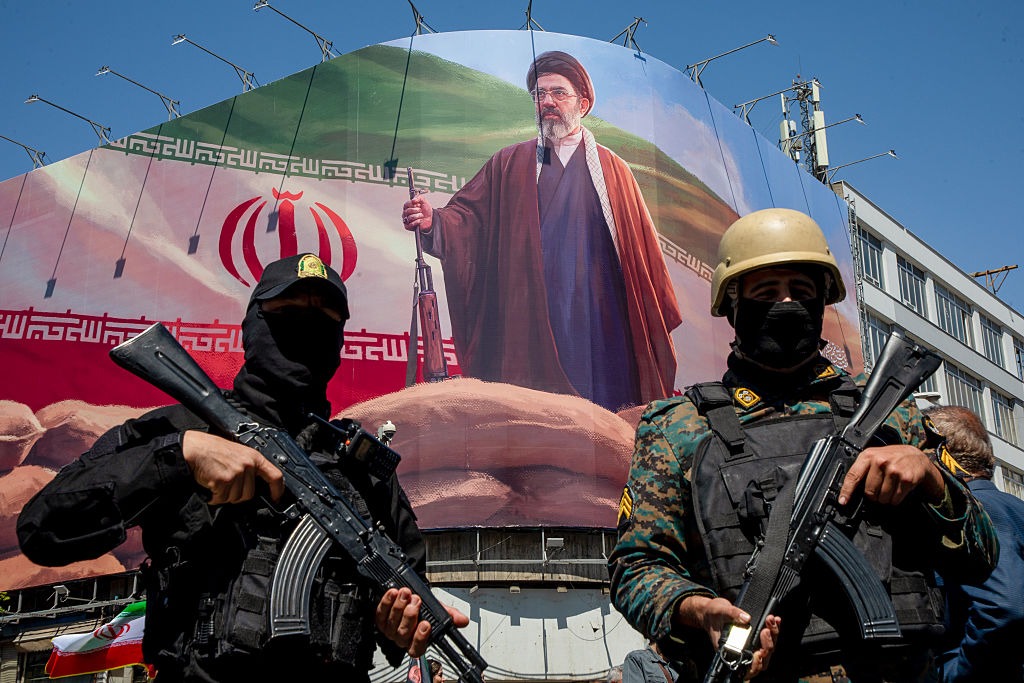
The ceasefire declared in the US-Israel war against Iran is set to end in the next couple of days amid conflicting views on what might happen next.
By the time of writing this piece, many observers thought that both sides might agree to an extension of the brittle truce for a further 45 days. In a world of a 24-hour news cycle, punctuated by tweets and video clips, that may sound like a long time.
In last June's war against Iran, US President Donald Trump declared a ceasefire after 35 hours of bombing.
He had also declared "mission accomplished" in Venezuela after a 5-hour raid to arrest President Nicolás Maduro. When the second round of war against Iran seemed to stall, the president threatened to turn Iran back to the Stone Age in just 4 hours.
In the Islamabad peace talks last week, Vice President JD Vance decided that enough was enough after a 16-hour back-and-forth with Tehran's emissaries, half of it spent on translation of what each side said.
In war and diplomacy, however, as in love, patience is the name of the game.
The US wars with Mexico lasted six years. The two world wars got the US involved for almost four years each time. The Korean War ended after more than three years with no clear winner, and the war in Vietnam pegged the US down for more than a decade.
Since Trump is clearly unwilling to pursue this war for as long as it takes, his best choice is to seek a way of concluding it through diplomacy.
However, diplomacy also needs patience.
You can't just walk in and put down your desiderata for the adversary to sign with a "my way or the highway" brag, which is what Vance did in Islamabad.
Source: Gatestone Institute :: Articles
