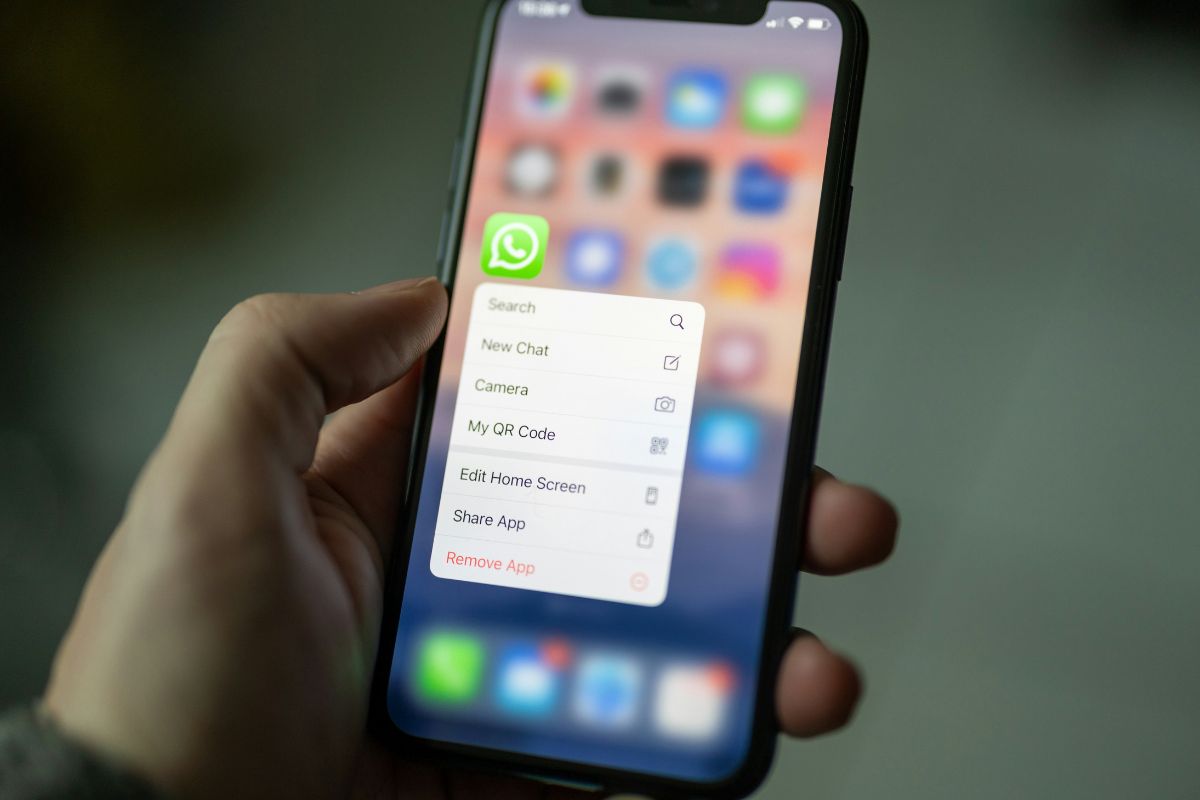
Russia has blocked WhatsApp across the country, cutting off access to Meta's encrypted messaging service and accelerating a government-backed push toward a domestic alternative called MAX. The decision represents one of the most significant digital restrictions since Western social platforms were curtailed in 2022.
Officials frame the move as a lawful enforcement action tied to national security and data regulation. Critics, however, argue it reflects a broader consolidation of state control over digital communication.
Today the Russian government attempted to fully block WhatsApp in an effort to drive people to a state-owned surveillance app. Trying to isolate over 100 million users from private and secure communication is a backwards step and can only lead to less safety for people in Russia.…
Russia blocks WhatsApp following prolonged regulatory disputes between authorities and its parent company, Meta. Tensions have centred on data localisation requirements and content moderation rules enforced by Roskomnadzor.
Under Russian law,foreign technology firms must store citizens' personal data on servers located within the country. Regulators have previously fined or restricted platforms that failed to comply with these standards. Encrypted messaging has been a persistent sticking point. Officials argue that end-to-end encryption limits law enforcement's ability to access communications during investigations.
Meta was formallydesignated an 'extremist organisation' in Russia in 2022, leading to bans onFacebookandInstagram. WhatsApp was initially allowed to continue operating, though scrutiny over encryption and data governance remained.
The latest decision closes that exception.Russiablocks WhatsApp in what analysts describe as the final stage of its broader crackdown on Meta-owned services.
The state-backed alternative promoted in place of WhatsApp isMAX. The platform has been developed within Russia's domestic technology ecosystem and is positioned as a national messaging solution.
Authorities have encouraged public institutions and state employees to transition to MAX. Industry reports indicate the app has been pre-installed on certain smartphones sold within Russia, reflecting formal institutional support.
Whatsapp is owned by Meta (Facebook) and has been known to be monitored by the NSA. Why the hell should Russia use an app which can be monitored by the US? Especially when they can have their own apps and not rely on US tech.
Source: International Business Times UK