A viral social media post has ignited a wave of public disclosures, as hundreds of women publicly name alleged rapists in response to a disturbing report.
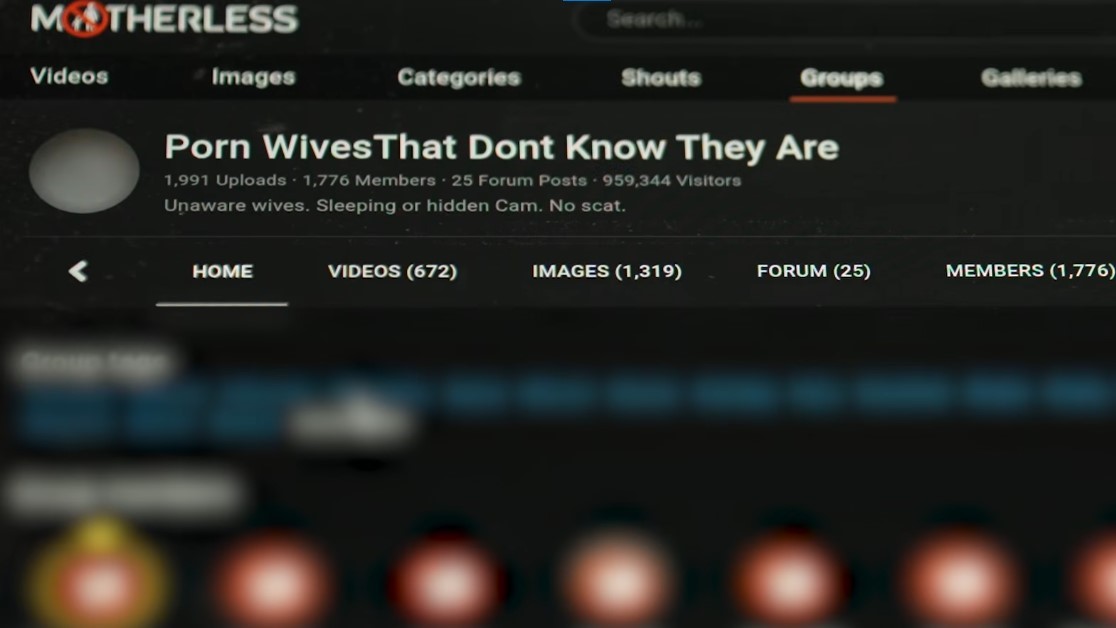
The surge of disclosures follows a widely discussedCNN investigation into what has been described as an 'online rape academy'— anetwork of forums and websites that reportedly attract up to 62 million visits per month. The report exposed how these digital spaces allegedly enable and encouragesexual violence, sparking outrage across social platforms.
In the aftermath, a viral Threadspost— originally highlighted on X — has revealed a striking response: women are sharing the full names and last known locations of men they accuse of rape. The development marks a dramatic shift in how survivors are choosing to speak out, raising urgent questions about justice, safety, and the limits of digital accountability.
The viral post, shared by user Fly_Sistah, draws attention to what it describes as 'hundreds of women' taking to Threads to identify their alleged attackers. According to the post, these disclosures are not isolated but part of a rapidly growing pattern, as survivors respond directly to the scale and impunity suggested in CNN's findings.
In reaction to the CNN report on the “online rape academy” that gets 62 million visits per month, something kind of remarkable is happening on Threads: hundreds of women are sharing the full names and last known locations of men who raped them.pic.twitter.com/i37ICqK2T6
The movement appears to be fuelled by frustration. For many survivors, the criminal justice system is often seen as slow, inaccessible, or unresponsive. By contrast, social media offers immediacy and visibility — though not without risk.
The posts frequently include detailed allegations, naming individuals and, in some cases, citing locations or past incidents. While some users frame their disclosures as warnings to others, others describe them as acts of reclaiming power after years of silence.
CNN's investigation uncovered a sprawling online ecosystem where users allegedly share advice, normalise abuse, and evade moderation. The report described how these platforms operate across multiple domains and attract millions of monthly visitors, raising serious concerns about enforcement gaps and platform responsibility.
French lawmakerSandrine Josso, who was herself drugged by a former French senator, described the network as a 'global rape academy.' TheUN Trust Fund to End Violence Against Womenstated on X that 'CNN documented what the women's rights organisations we support have long been reporting.'
The exposure of this digital underworld appears to have acted as a catalyst, pushing survivors to take matters into their own hands.
Source: International Business Times UK
