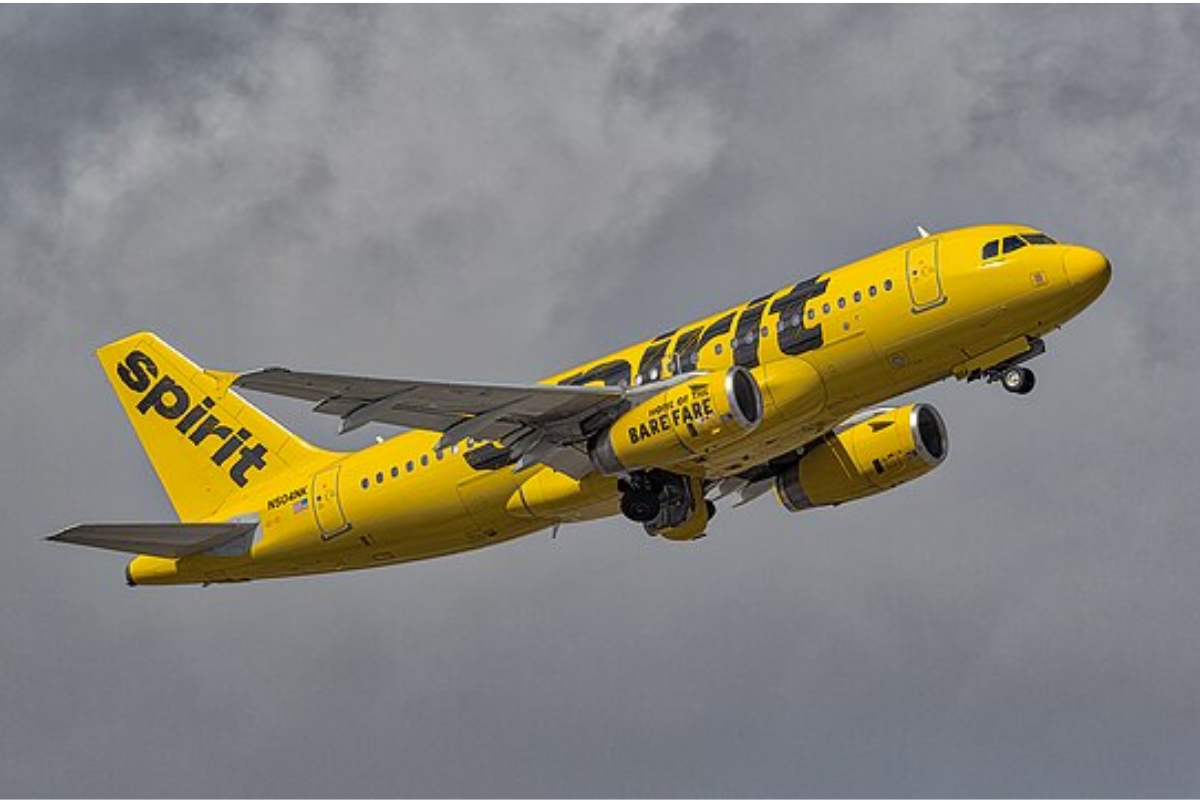
Spirit Airlines, the Florida-based ultra-low-cost carrier known for its bright yellow planes, has turned to the Trump administration for an emergency government bailout as it faces the prospect of complete liquidation. Therequestis for hundreds of millions of dollars in emergency funding — a last-ditch attempt to survive a fuel crisis that has wiped out the airline's restructuring plan before it had a chance to take hold.
A source familiar with the matter said that the airline is 'looking for a lifeline.' Airline industry analystHenry Harteveldtput it more bluntly, saying: 'Spirit is flying on financial fumes.'
Spirit had appeared to be regaining its footing. Days before the Iran war began, Spirit reached an agreement with its lenders on arestructuring planthat would cut its fleet and reduce flights during most of the year.
The airline had also outlined changes to its guest loyalty programme and introduced premium and economy choices in a bid to attract higher-spending travellers. It had said publicly in February that it wason trackto exit bankruptcy as early as this spring.
Then, on 27–28 February 2026, the United States and Israel began military operations against Iran. Tehran responded by closing the Strait of Hormuz — the narrow passage between Iran and Oman through which approximately 20 per cent of the world's traded oil flows on any given day.
The closure sentenergy marketsinto immediate shock. Jet fuel, already one of Spirit's greatest vulnerabilities, became ruinously expensive almost overnight.
Jet fuel reached an average of approximately £3.63 ($4.88) a gallon in New York, Houston, Chicago, and Los Angeles on 2 April, according to Argus — up approximately 95 per cent since the Iran war started on 28 February. According to theInternational Air Transport Association, jet fuel accounts for roughly 30 per cent of overall airline operating expenses — making it the single largest cost after labour.
JPMorgan airline analystJamie Bakerwrote in a note that if fuel stays at approximately £3.42 ($4.60) a gallon for the year, Spirit's forecast operating margin deteriorates from negative 7 per cent to negative 20 per cent. The airline faces approximately £268 million ($360 million) in additional costs, more than its entire cash balance of £251 million ($337 million) at the end of last year.
Unlike larger carriers, Spirit haslimited flexibilityto offset higher costs through fare increases without risking a decline in demand. This is a direct consequence of its ultra-low-cost model.
An official from the Department of Transportation said that the agency is monitoring Spirit's situation but would not confirm whether the administration was approached for a bailout. Spirit executives are expected to meet with Transportation SecretarySean Duffynext week, alongside executives from other budget carriers, including Frontier, Allegiant, and Avelo.
Source: International Business Times UK
