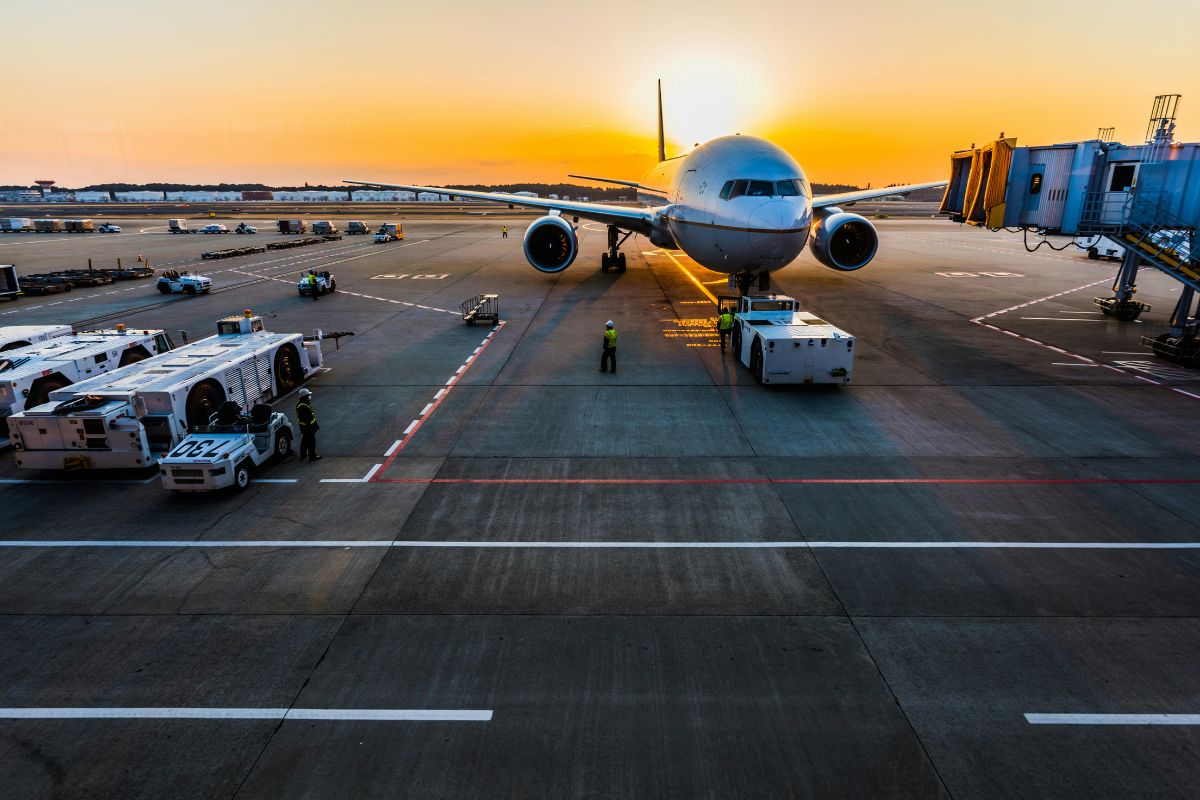
The FAA issued a Notice to Air Missions (NOTAM) declaring the airspace above El Paso International Airport 'National Defense Airspace,' a designation allowing broad flight restrictions and warning that unauthorised aircraft could face interception. The classification is rarely used outside imminent security threats or presidential movements, making its sudden use in El Paso notable.
Local officials reportedly received little advance notice before El Paso flights were halted, leaving airlines scrambling for clarification. Southwest, American, Delta and United delayed departures, causing immediate disruption at the airport.
Administration officials later said thetemporary closure was linked to suspected unmanned aerial activity near Fort Bliss, the US Army installation adjacent to El Paso International Airport. Transportation officials publicly described the situation as a potential cartel drone incursion into restricted airspace, though they did not release detailed evidence confirming the origin or intent of the aircraft.
Separate reporting indicated that experimental counter-drone systems were being deployed in the area at the time, including high-energy laser technology used to disable unmanned aircraft. Aviation sources suggested the FAA acted out of caution while defence officials assessed the situation. Subsequent media reports, citing unnamed officials, indicated that at least one object under review may not have been a confirmed hostile drone, though no formal public clarification has yet detailed those findings.
From 10-day national defense closure to 'all clear' in hours after a suspected cartel drone turned out to be... a balloon? This is peak 2026 border security theater. Glad flights are back, but someone owes El Paso travelers an explanation.
By early afternoon, the FAA rescinded the airspace restriction, stating there was no ongoing threat to commercial aviation. Normal flight operations resumed, though delays and passenger backlogs extended into the evening as airlines worked to restore schedules.
The speed of the reversal raised questions about the reliability of the initial threat assessment, particularly given that a10-day closurewould have carried significant economic consequences for the region. El Paso flights serve as a critical link for military coordination, regional commerce and cross-border travel, and the decision to reopen suggested authorities concluded the situation did not warrant prolonged disruption.
Reporting from multiple outlets indicates the FAA may not have been fully briefed on defence-related anti-drone operations underway near Fort Bliss. Without clear confirmation from military officials, the aviation regulator reportedly opted for a precautionary airspace halt.
Sources familiar with the matter suggested communication between civilian and defence agencies may have lagged behind real-time developments. In high-security environments, even minutes of uncertainty can prompt sweeping safety measures.
New anti-drone technology was deployed, leaving officials too little time to assess risks to commercial flights—forcing El Paso’s airspace to close.pic.twitter.com/aWkEnzAVRZ
Source: International Business Times UK