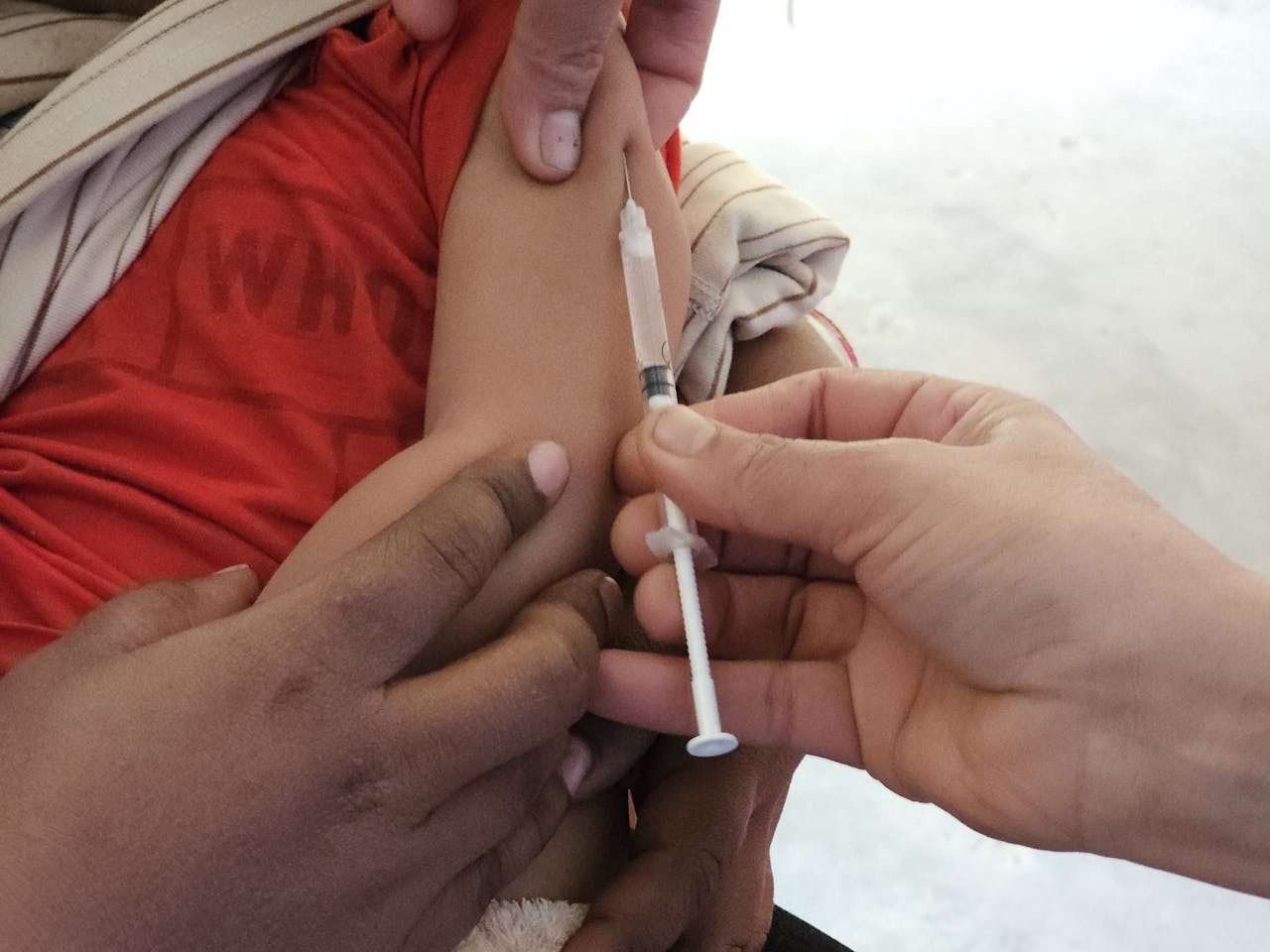
Wake County Public Health said this week that a person infected with measles visited several businesses in Raleigh while contagious, prompting a public alert and renewed calls for vaccination.
In a10 February notice, authorities have warned the public that anyone who was at the listed locations during specific time windows may have been exposed and should immediately review their immunisation records and monitor for symptoms.
People who shared indoor space during those windows — or entered the establishments within two hours after the infected individual left — could be at risk,according to North Carolina's Department of Health and Human Services, which defines exposure that way because the virus can linger in the air.
Measles spreads through the air when an infected person coughs or sneezes and can remain viable for up to two hours, the US Centers for Disease Control and Prevention (CDC)says. Health officials describe it as one of the most contagious viral diseases; if one person has measles, up to nine out of ten unprotected people nearby will become infected.
Symptomsusually appear seven to 14 days after exposure, though they can take up to 21 days. Early signs include high fever — sometimes spiking above 104°F (40°C) — cough, runny nose and red, watery eyes. Small white spots known as Koplik spots may develop inside the mouth before a red, blotchy rash spreads from the face down the body.
Wake County Public Healthsaidresidents who develop symptoms should call ahead before going to a doctor's office or emergency department so precautions can be taken to prevent further spread.
Emergency careis advised for breathing difficulty, signs of severe dehydration, confusion or extreme weakness. For young children, warning signs include a blue tinge around the mouth, crying without tears or unusually low energy, according to state guidance.
Anyone who is not protected is considered at risk. The CDCnotesthat measles was declared eliminated in the United States in 2000 but continues to be imported by unvaccinated travellers.
As of 5 February 2026, 733 confirmed measles cases had been reported nationally this year, including cases in North Carolina. The majority are linked to outbreaks that began in 2025, when more than 2,200 confirmed cases were recorded across 45 jurisdictions.
Children under five, adults over 20, pregnant women and people with weakened immune systems face a higher risk of complications. Pneumonia and encephalitis are among the most serious outcome.
Source: International Business Times UK
