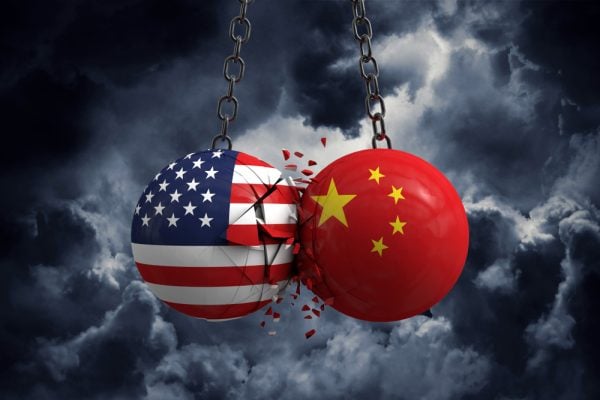
China recently launched an investigation into the United States trade practices affecting global supply chains and the green economy.
The move was announced after a series of US restrictions on Chinese products and companies over the past few years.
Announced at the end of March, the investigations have a six-month deadline, but can be extended by another three months.
To read this article in the following languages, click theTranslate Websitebutton below the author’s name.
Farsi, 中文, Русский, Español, Portugues, عربي, Hebrew,Français, Deutsch, Italiano, 日本語,한국어, Türkçe, Српски. And 40 more languages.
The pair of trade barrier investigations, announced separately by the Ministry of Commerce, are “reciprocal countermeasures” against the two Section 301 probes launched by the US against China, a spokesperson for the ministry said.
The Commerce Ministry will proceed with its investigations in accordance with applicable laws and regulations and will “take corresponding measures” based on the findings to resolutely safeguard its legitimate rights and interests, the spokesperson added.
A day before the announcements,Commerce Minister Wang Wentaoraised “serious concerns” about recent US Section 301 investigations during his meeting with USTrade Representative Jamieson Greeron the sidelines of the 14th Ministerial Conference of the World Trade Organization in Cameroon.
Protectionist measures are not aimed at retaliating against the US but at protecting the national market, especially sectors related to the energy transition. In fact, Chinese pragmatism curbs revanchist actions.
After almost 30 years of sustained investment in sectors critical to sustainable development, China and its companies have achieved sufficient scale to dominate the supply chains and industries of the green economy in international markets. About 80% of solar panels are manufactured in China, and the Asian giant has, over the past few years, begun to dominate the electric vehicle market,particularly through BYD’s participation and growing popularity outside China.
Source: Global Research
