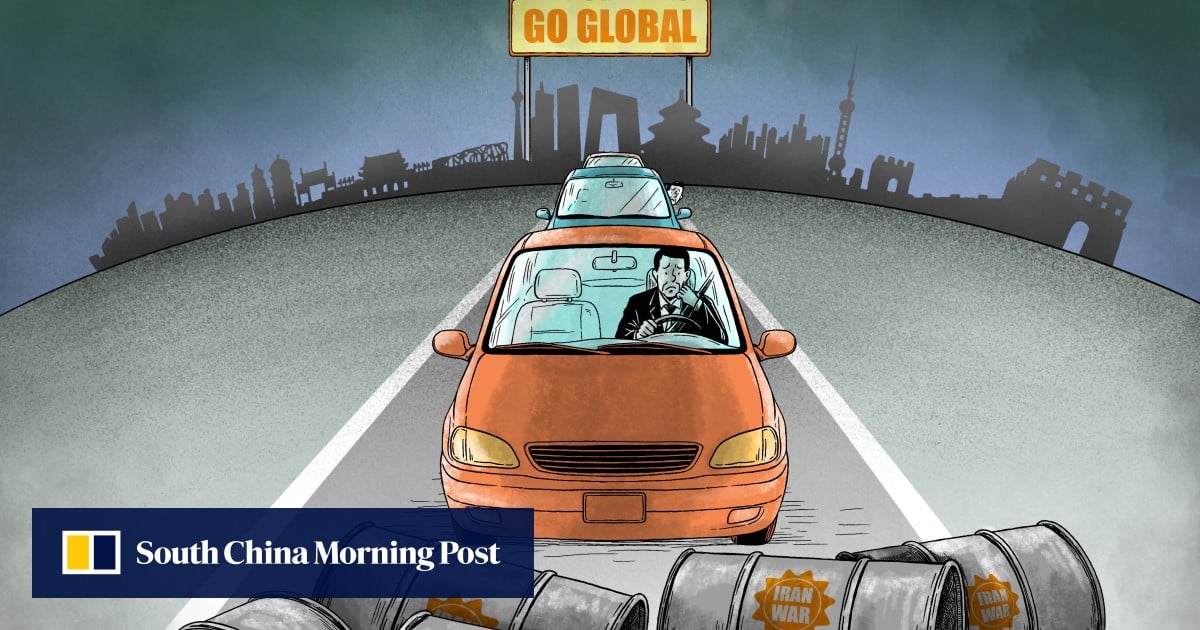
Businesses are rethinking short-term strategies as they adapt to rising costs and slowing growth across major economies
When Lawrence Wong decided to set up a toy factory in Vietnam last year, he had a clear plan: 600 square metres (6,458 sq ft) of floor space at the start of 2026, with ambitions to double that by the end of the year. Then came the war in Iran, with the ensuing energy shocks battering Vietnam and sending production costs surging.
“A single toy costs significantly more to produce in Vietnam than in Guangdong [province in southern China] – 6 yuan (88 US cents) in Guangdong, but 9 yuan in Vietnam right now,” he said.
Wong has decided to hang on to his factory near Ho Chi Minh City because of the long-term implications of the rivalry between Beijing and Washington, but the expansion plan has been shelved for now.
He warned that newly opened Chinese factories in Vietnam that lacked a large order base should be prepared to lose money.
Wong is far from alone in recalibrating. The increasingly turbulent international environment – most recently marked by the war in Iran and a subsequent oil market shock – is forcing many Chinese firms to rethink their short-term strategies and adapt to mounting pressures stemming from rising costs and slowing growth across major economies.
Source: News - South China Morning Post
