Authored by Milan Adams via Preppgroup,
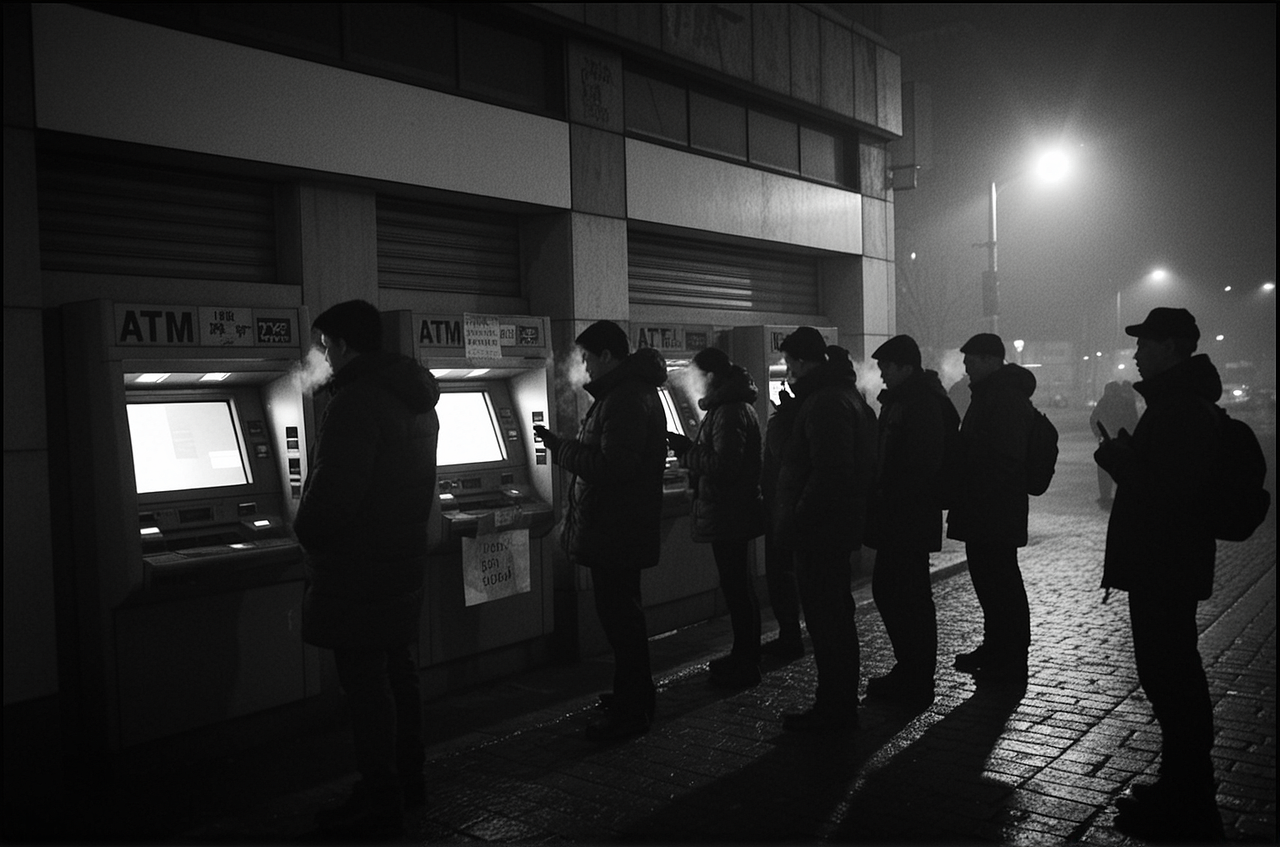
This piece began with a simple question: what happens when people can no longer rely on cards, ATMs, or online payments? Looking through past disruptions revealed how quickly an ordinary inconvenience can turn into a serious problem. Cash helps, but its usefulness has limits, especially when businesses cannot operate or supplies run short.
A stack of cold, hard cash is the last line of defense for a great many households. It buys a way out of trouble, clears a shelf before the shelf clears itself, and pays for the things nobody accepts cards for anymore. So how much belongs in the drawer, and how long does it stay worth anything?
Preppers talk endlessly about "emergency cash" and almost never about the details that decide whether it helps: the amount, the denominations, the hiding places, the length of time the paper holds value.
How much should you have if the grid goes down? What will a doomsday supply actually purchase, and how long before a shopkeeper stops wanting it? Two questions, and most households can answer neither.
Even with no natural disaster anywhere in the picture, you sit at the mercy of an institution. Branches close without notice. A "bank holiday" gets declared during a currency crisis, and the phrase is not a euphemism for a long weekend - governments have used it as a tool. When access to your own money depends on