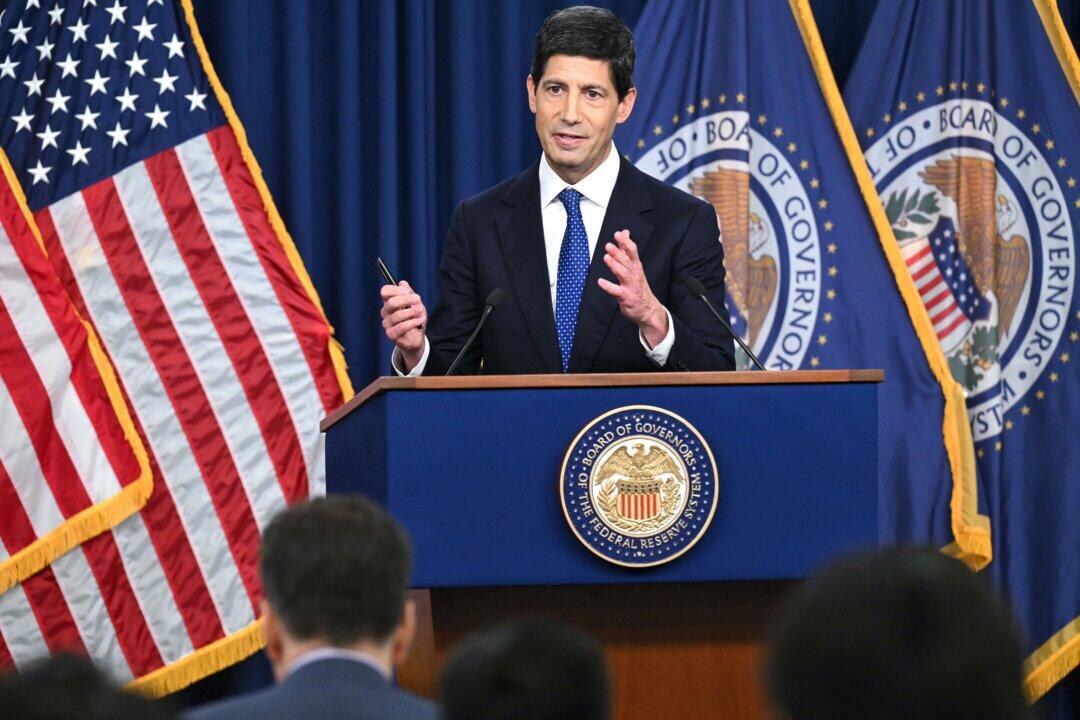
The Federal Reserve raised rates during an external oil shock. Now commodities, gasoline, and inflation expectations are falling rapidly, and the forward curve remains in deep backwardation, signaling disinflation. However, the cost of tight money will linger long after the spike is gone.
The FOMC minutes of the October meeting show that almost all participants judged that further hikes would likely be appropriate. In fact, two members dissented in favor of an immediate increase, and Governor Christopher Waller mentioned a half-point move in December to "shock people." He defended a rate cut in January despite elevated core PCE and rising inflation expectations, while also discussing a large rate hike as those figures rapidly reversed. However, the market has already moved on.
Commodities are falling fast, inflation expectations are plummeting, and the first alternative-data estimates for November point to a negative monthly CPI print. Once again, central banks are fighting yesterday's war with a tool that does nothing to change its cause.
The cause was never excess demand or an overheated economy. Money velocity remains contained at 1.47, money supply growth comes mostly from government spending, and there are no signs of excess credit-taking or unsustainable demand growth. Rather, the opposite. The 2026 CPI surge came from the war with Iran and the disruption of flows through the Strait of Hormuz, a supply shock imported