Here is a guide to who now wields power and influence in a depleted but resilient hierarchy
Iran’s veteran supreme leader and a host of other top figures and Revolutionary Guards commanders have been killed in US-Israeli strikes but the ruling system has maintained its ability to strategise and operate in the war that began on February 28.
Born from a 1979 revolution, the Islamic Republic built a complex power structure with layered institutions buttressed by a shared commitment to the survival of the theocratic system rather than relying on a small number of individuals.
Under Iran’s official ideology of velayat-e faqih, or “rule of the Islamic jurist”, the supreme leader is a learned cleric wielding temporal power on behalf of Shiite Islam’s 12th imam, who disappeared in the ninth century.
The leader’s office, known as the bayt, has a large staff that shadows other parts of Iran’s government, allowing the leader to intervene directly across the bureaucracy.
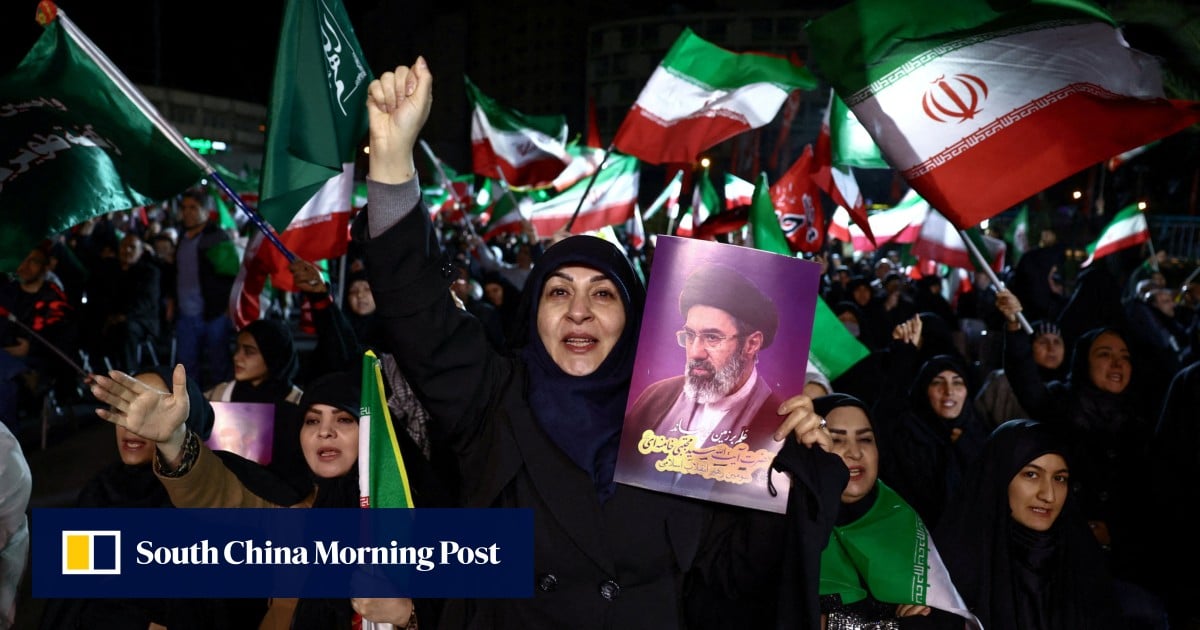
The new leader, Khamenei’s son Mojtaba, has inherited the role and its extensive formal powers, but he lacks the automatic authority enjoyed by his father. The choice of the Revolutionary Guards, he may also be beholden to the hardline military corps.
Source: News - South China Morning Post
