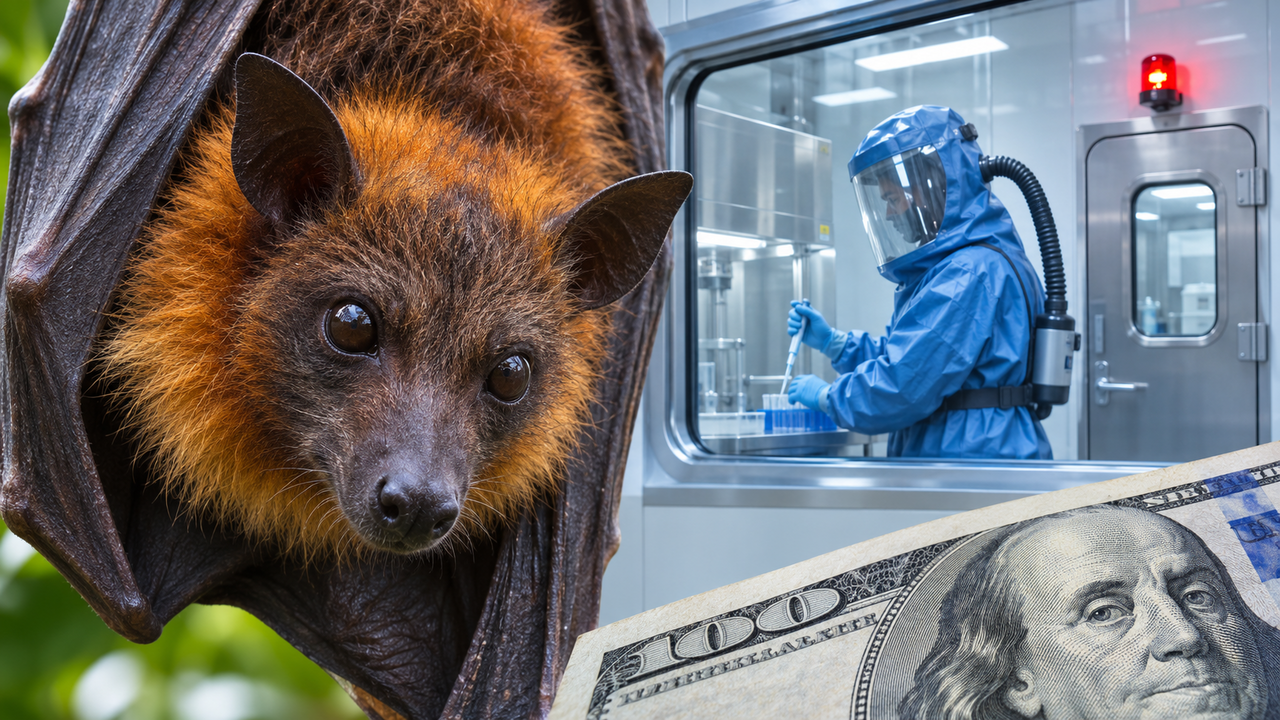
The National Institutes of Health paid for a Hendra virus experiment on bats in Australia that the lab's own ethics committee shut down in 2023, after staff had to kill all eight bats in a room because they could not raise it to the highest biocontainment level once one bat tested positive, according to federal records obtained by PETA and reviewed by Fox News Digital.
Hendra is a lethal virus carried by flying foxes. The study, titled "Shining a light on bat cellular immunity following virus infection," ran at the Australian Centre for Disease Preparedness, the high-containment lab run by Australia's national science agency, CSIRO. The NIH grant behind it (R21AI169481) ran from 2022 to 2024 and totaled about $146,098, with Monash University as a collaborator.
The records cite a shortage of staff trained to handle animals at the required biocontainment level, no adequate contingency plan, unclear protocols and flying foxes kept confined for long stretches without proper enrichment. When one flying fox tested positive, the eight bats housed with it were killed because the room could not be brought up to Biosafety Level 4 (BSL-4). Then a ninth bat, one kept apart in a BSL-4 room, turned up positive too and was put down.
The lead investigator told the NIH about the infections in May 2023, and the ethics committee suspended the study weeks later. Word of the suspension didn't reach the NIH's Office of Laboratory Animal