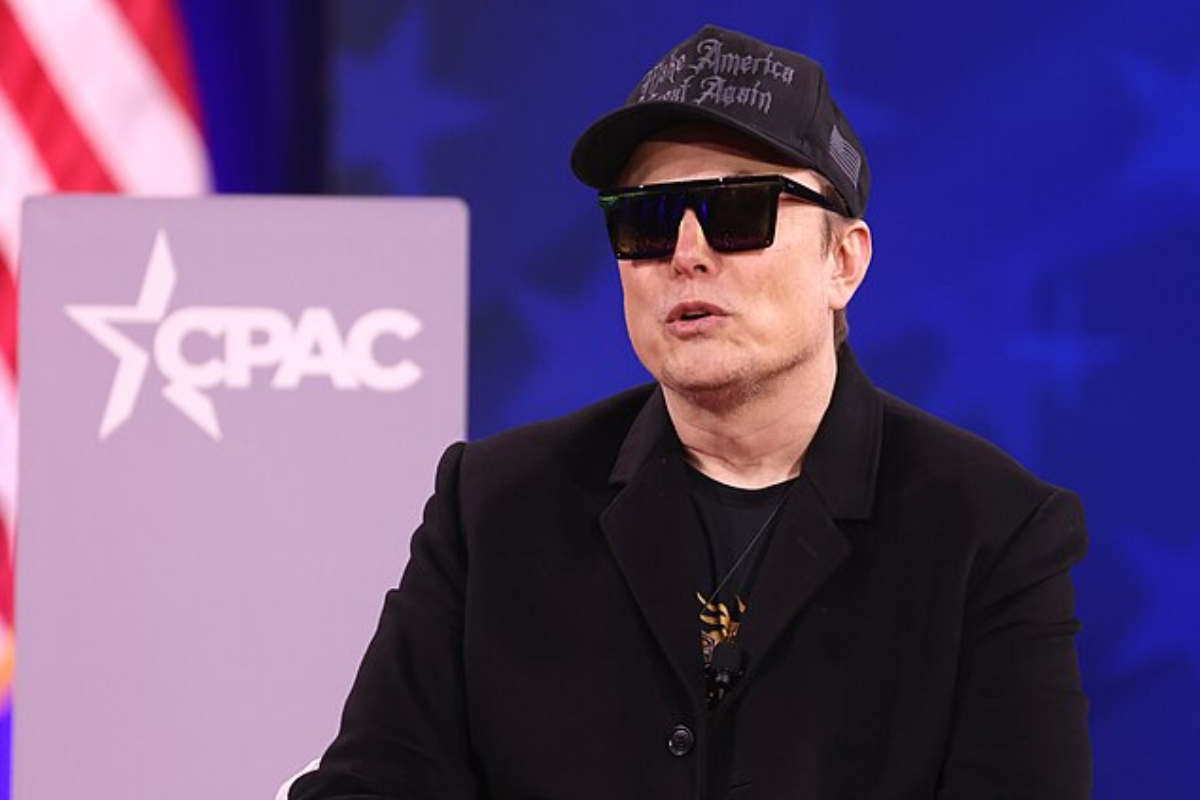
Elon Musk declared on Saturday that he would cover the wages of Transportation Security Administration workers caught in the ongoing Department of Homeland Security funding deadlock — a gesture that drew immediate attention but raised serious questions about whether it could be legally or practically realised. In apost on X, Musk wrote: 'I would like to offer to pay the salaries of TSA personnel during this funding impasse that is negatively affecting the lives of so many Americans at airports throughout the country.'
The post came as the partial government shutdown entered its fifth week with no resolution in sight. TSA screeners and other personnel are days away from missing asecond full paycheque, yet are required to continue working as screening times at some airports stretch to several hours. The crisis has prompted a growing wave of resignations, food drives at airport terminals, and warnings from federal officials that conditions are set to worsen.
The scale of the proposal is considerable. TSA's total annual workforce cost runs to approximately $8.6 billion (approximately £6.8 billion) — meaning a sustained commitment would require billions from Musk over any extended period, breaking down to around$23.6 million(approximately £18.6 million) per day. His estimated net worth stands at $839 billion (approximately £662 billion), placing the outlay within his means in principle — but the legal path to doing so remains deeply unclear.
It was not immediately clear how such an arrangement would work, or whether it would be lawful. TheAnti-Deficiency Actpresents a central obstacle: a federal statute designed to prevent government agencies from spending money that Congress has not appropriated, it prohibits federal officials from authorising expenditures exceeding available appropriations. In practical terms, an agency cannot accept private funds to pay its workers, regardless of the source.
I would like to offer to pay the salaries of TSA personnel during this funding impasse that is negatively affecting the lives of so many Americans at airports throughout the country
TSA screeners are legally required to continue working during a funding lapse, with no obligation on the government to pay them in real time — only a guarantee ofretroactive paymentonce appropriations are restored, as guaranteed by a 2019 law. That provision does little to address immediate financial hardship.
Thestarting salaryfor TSA agents is approximately $34,500 (approximately £27,200), with the average ranging from $46,000 to $55,000 (approximately £36,300 to £43,400). For workers on those wages, missed paycheques represent a material crisis — one accompanied byeviction notices, vehicle repossessions and overdrawn accounts.
According to DHS, more than300TSA agents have resigned since the partial shutdown began, with the majority of remaining staff classified as essential and continuing to work without pay. Call-out rates have surged at several major hubs, with absenteeism exceeding 50 per cent in Houston and surpassing 30 per cent in New Orleans and Atlanta earlier this week.
TSA Acting Deputy AdministratorAdam Stahlwarned: 'As the weeks continue, if this continues, it's not hyperbole to suggest that we may have to, quite literally, shut down airports, particularly smaller ones, if call-out rates go up.'
HAPPENING NOW: Senate Democrats will try AGAIN to pay our TSA workers amidst the Republican DHS shutdown.Democrats will try to pass by unanimous consent – for the FOURTH time – a funding bill for TSA. Republicans have a simple choice: will they pay our critical workers and…
Source: International Business Times UK