Authored by T.J. Muscaro via The Epoch Times,
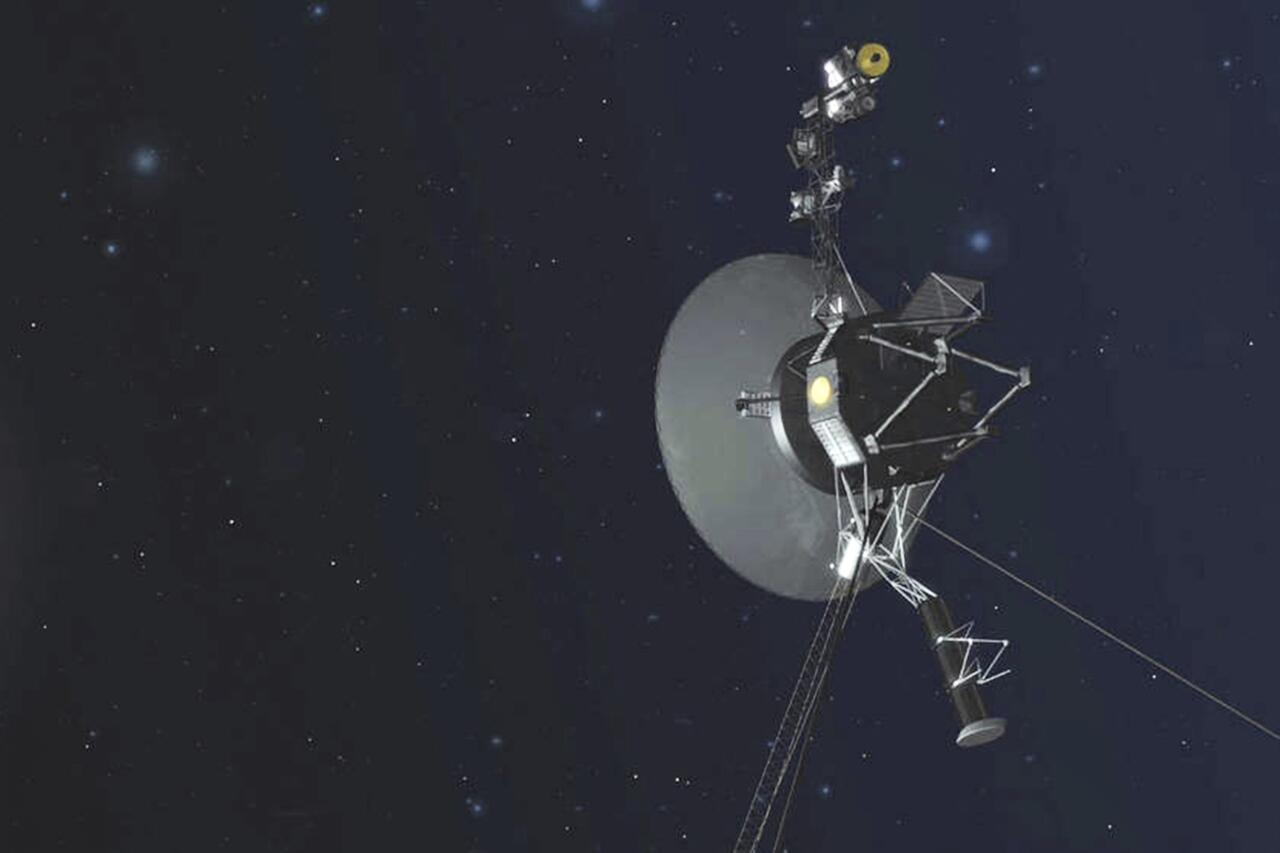
For the first time in human history, an interstellar spacecraft has journeyed a full light-day away from Earth.
Voyager 1 left Earth from Florida's Space Coast on Sept. 5, 1977, on a mission to Jupiter, Saturn, and, ultimately, interstellar space, reaching its current speed of 38,000 mph.
At 5:16:07 a.m. ET on Nov. 18, 2026, it crossed a threshold of 16 billion miles away from home - a distance that takes light a full 24 hours to travel.
"Voyager 1 is exploration at its best," Eric Christian of NASA's Goddard Space Flight Center told The Epoch Times. "You build something and you send it out into the unknown, and ... I think the public knows that Voyager is one of the most popular missions, uncrewed missions, that NASA has ever done, and it's not just the longevity ... it's the science return, and this is exploration."
Christian joined the Voyager team in 1986 as a graduate student and has worked on the mission in various roles over the past 40 years, including serving as the program scientist at NASA headquarters for seven years.
He said he studies the "non-chunky" parts of space. He celebrated the fact that there were two probes out there studying more than just the planets. The Voyager probes were studying the space between planets and solar systems and the heliosphere - a comet-shaped, bubble-like region created by the Sun that completely envelops and marks the