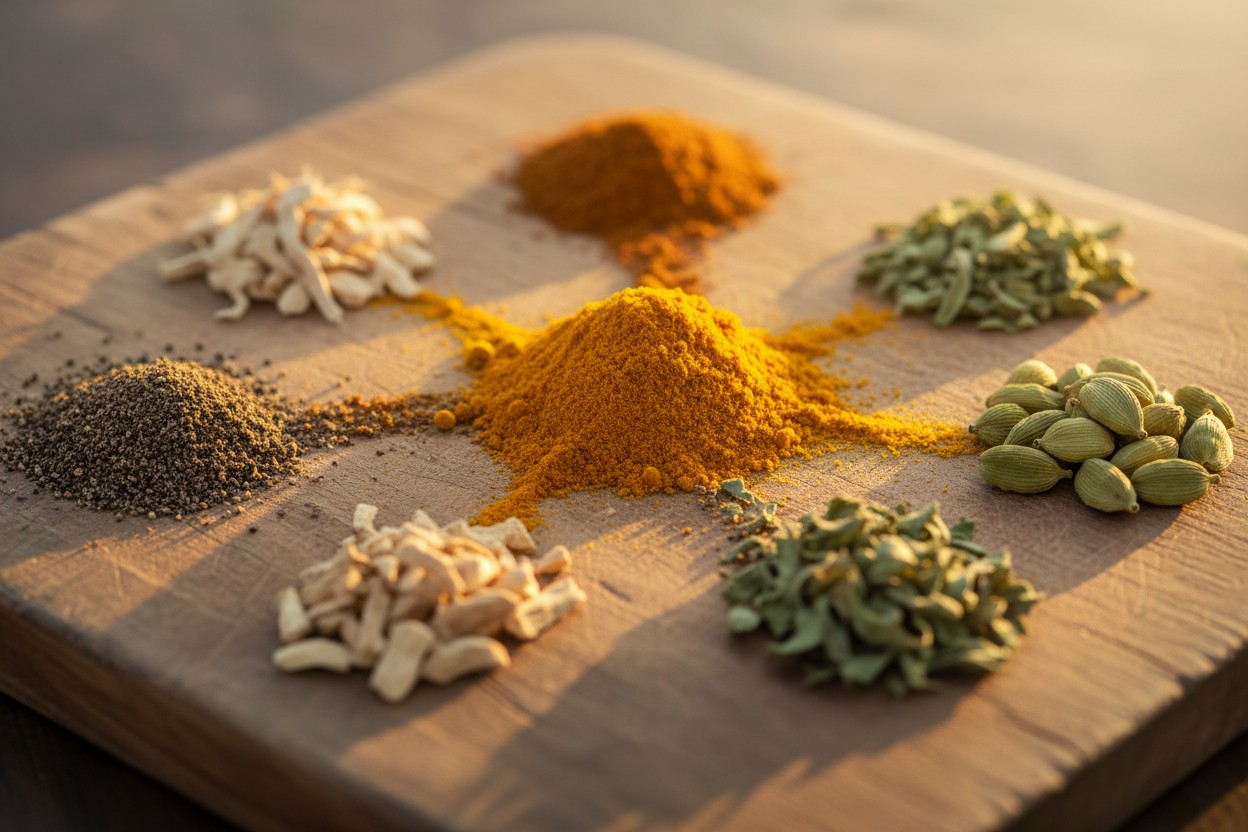
Turmeric, the golden spice revered in ancient Ayurvedic medicine, has surged in popularity for its potent anti-inflammatory compound curcumin, yet its full potential remains locked behind notoriously poor bioavailability. A recent deep dive on NaturalNews.com spotlights five herbal synergies that could supercharge turmeric's health benefits, from easing joint pain to bolstering immunity, offering everyday consumers a natural edge in the battle against chronic disease.
At the forefront is black pepper, whose active compound piperine acts as a natural bioavailability booster. Studies, including a seminal 1998 trial in Planta Medica, show piperine can increase curcumin absorption by up to 2,000 percent by inhibiting liver and intestinal enzymes that break it down. This dynamic duo not only amplifies turmeric's antioxidant punch but also enhances its reach to inflamed tissues, making it a staple in many modern supplement formulations.
Ginger joins the synergy as a complementary anti-inflammatory powerhouse, with its gingerols working in tandem with curcumin to target pathways like NF-kB, a key driver of chronic inflammation. Research from the Journal of Medicinal Food highlights how this pairing reduces oxidative stress more effectively than either herb alone, providing relief for conditions like arthritis and digestive woes while supporting metabolic health.
Boswellia, or Indian frankincense, forms another formidable alliance by inhibiting 5-LOX enzymes that fuel leukotriene production, complementing curcumin's COX-2 blockade for broader anti-inflammatory coverage. Clinical trials, such as one published in Phytomedicine, demonstrate the combo's efficacy in osteoarthritis, rivaling synthetic drugs without the gastrointestinal side effects, positioning it as a go-to for joint health enthusiasts.
Quercetin, a flavonoid abundant in onions and apples, enhances turmeric's effects by stabilizing mast cells and blocking efflux pumps that expel curcumin from cells. Paired together, they amplify antiviral and anticancer properties, as evidenced by lab studies in Molecules journal, while green tea's EGCG rounds out the quintet by potentiating curcumin's neuroprotective benefits, potentially guarding against cognitive decline amid rising neurodegenerative concerns.
As mainstream medicine grapples with pharmaceutical side effects and escalating costs, these herbal synergies underscore a growing cultural shift toward accessible, evidence-backed natural protocols. Experts caution consulting healthcare providers, especially with medications, but the science suggests turmeric's true power emerges not in isolation, but amplified through nature's own collaborations—empowering individuals to take charge of their wellness in an era of holistic health advocacy.
