In an era where centenarians are becoming more common, scientists are uncovering the pivotal role of targeted exercises in preserving strength and autonomy for older adults. A burgeoning body of research, including meta-analyses from leading journals like the Journal of the American Medical Association, reveals that simple, science-backed routines can combat sarcopenia—the age-related muscle loss that affects up to 50% of those over 80—and slash the risk of debilitating falls by as much as 30%.
At the forefront of these findings is resistance training, which builds and maintains lean muscle mass through bodyweight exercises like squats, wall push-ups, and chair dips, or light weights. A landmark study by the American College of Sports Medicine followed over 1,500 seniors for five years, demonstrating that participants engaging in twice-weekly sessions experienced 25% less muscle deterioration compared to sedentary controls. This isn't gym-bro territory; protocols emphasize progressive overload—gradually increasing resistance—to mimic youthful muscle adaptation, all while prioritizing form to avoid injury.
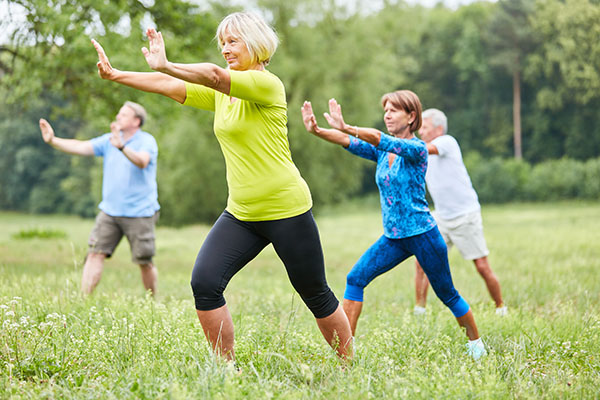
Complementing strength work, balance and flexibility exercises such as tai chi and single-leg stands have proven transformative. Research from the National Institutes of Health's landmark LIFE study showed that older adults practicing these for 150 minutes weekly reduced injurious falls by 23%, preserving mobility and independence. Tai chi, with its flowing movements, not only enhances proprioception but also lowers chronic inflammation markers, linking physical practice to broader anti-aging benefits like improved cognitive function.
Aerobic activities round out the regimen, with brisk walking or water aerobics delivering cardiovascular gains without joint strain. A Cochrane review of 39 trials confirmed that moderate cardio sustains VO2 max—the body's oxygen efficiency—delaying frailty onset by years. Experts like Dr. Maria Fiatarone Singh, a pioneer in geriatric exercise physiology, advocate integrating these into daily life: "It's not about hours in the gym; consistency trumps intensity for lifelong vitality."
These protocols challenge cultural narratives of inevitable decline, empowering individuals amid rising healthcare costs projected to hit $6 trillion annually by 2030 due to age-related conditions. Community programs and apps now democratize access, but adoption lags—only 25% of seniors meet federal guidelines. As evidence mounts, the message is clear: exercise isn't optional luxury; it's the linchpin for aging on one's own terms.
