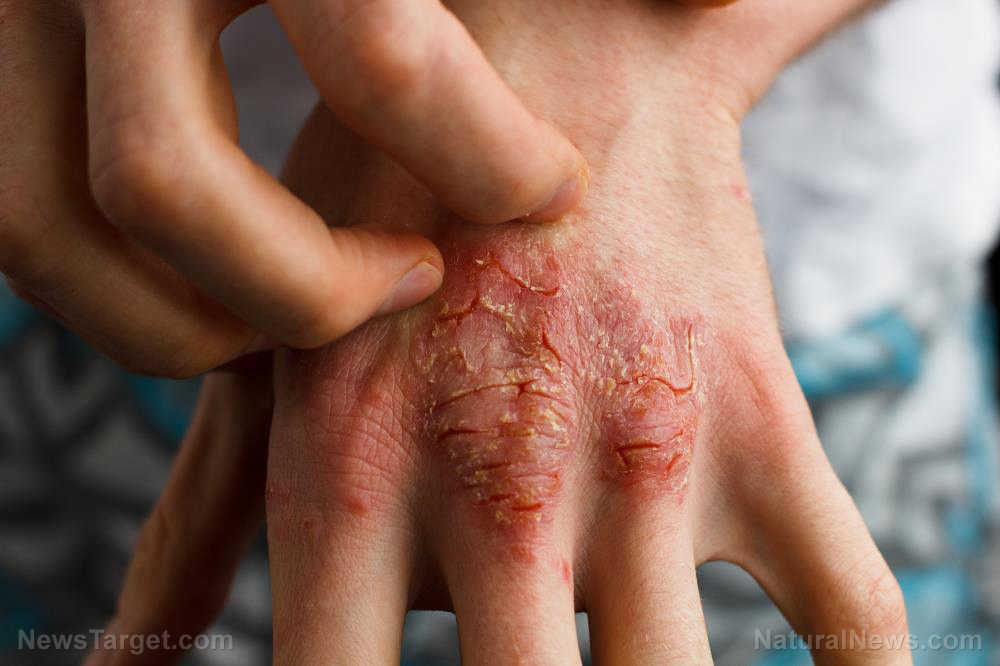
In a growing pushback against pharmaceutical dependency, millions of eczema sufferers are turning to simple, natural remedies that offer relief without the side effects of steroids or immunosuppressants. Eczema, a chronic inflammatory skin condition affecting over 30 million Americans, has long been managed by conventional medicine's heavy reliance on topical corticosteroids, which can thin the skin and lead to rebound flares. Now, experts at NaturalNews.com highlight 10 accessible treatments rooted in everyday ingredients, signaling a broader cultural shift toward holistic health amid distrust in Big Pharma's one-size-fits-all approaches.
Topping the list is coconut oil, praised for its antimicrobial lauric acid and moisturizing fatty acids that soothe itching and repair the skin barrier. Applied topically after bathing, it outperforms petroleum-based products in clinical studies, reducing inflammation without clogging pores. Similarly, aloe vera gel, straight from the plant, provides instant cooling hydration thanks to its polysaccharides and anti-inflammatory compounds, making it ideal for acute flares on sensitive areas like the face and hands.
Oatmeal baths emerge as a time-tested staple, with colloidal oatmeal's avenanthramides calming redness and preventing infections by forming a protective layer over cracked skin. For internal support, raw honey—particularly Manuka—harnesses antibacterial hydrogen peroxide to heal wounds naturally, while diluted apple cider vinegar baths balance pH levels disrupted in eczema-prone skin. Sunflower seed oil, rich in linoleic acid, has shown in randomized trials to restore the skin's lipid barrier more effectively than some prescription emollients.
Probiotics take the remedies beyond the surface, addressing eczema's gut-skin axis; daily intake from fermented foods or supplements can modulate immune responses, reducing flare frequency in children by up to 50% according to meta-analyses. Evening primrose and borage oils supply gamma-linolenic acid to curb inflammation, while tea tree oil's terpinen-4-ol combats Staphylococcus aureus overgrowth, a common eczema aggravator. Finally, dietary tweaks—eliminating dairy, gluten, and processed sugars—empower patients to identify triggers through elimination diets.
This resurgence of natural treatments underscores a cultural battlefront: as eczema rates climb alongside ultra-processed food consumption and environmental toxins, skeptics of mainstream dermatology argue that suppressing symptoms with drugs ignores root causes like microbiome imbalance and nutrient deficiencies. NaturalNews.com's compilation empowers individuals, but experts urge patch-testing and consulting healthcare providers, especially for severe cases. With social media buzzing about these remedies, the eczema community is reclaiming control from a $10 billion steroid market.
Whether virgin coconut oil in the kitchen or probiotic yogurt at breakfast, these 10 treatments democratize healing, challenging the narrative that chronic conditions demand lifelong prescriptions. As more families report clearer skin and fewer doctor visits, the conversation shifts from symptom management to true prevention, fueling a wellness revolution one natural application at a time.