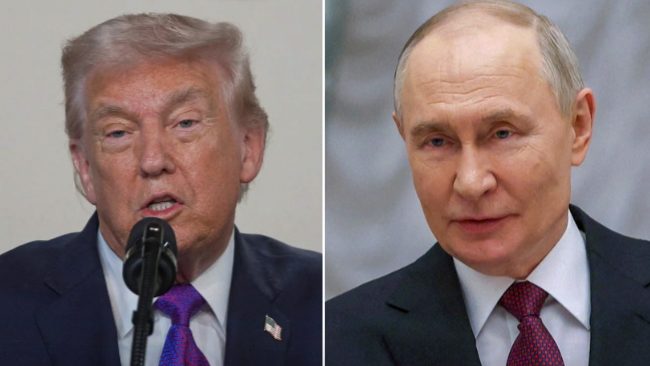
**MOSCOW** — In a move that has sent shockwaves through Western diplomatic circles, Russian President Vladimir Putin has reportedly signaled a willingness to leverage sensitive intelligence regarding Iran’s military apparatus in exchange for a fundamental shift in U.S. policy toward the war in Ukraine.
The proposal, which has been described by insiders as a "high-stakes geopolitical gamble," suggests that Moscow may be prepared to curb its strategic cooperation with Tehran—specifically regarding regional intelligence and advanced technology transfers—if Washington agrees to cease its robust military and financial support for the Kyiv government.
For months, the Biden administration and NATO allies have scrutinized the deepening military-industrial partnership between Moscow and Tehran. Western intelligence agencies have repeatedly warned that Russia has been utilizing Iranian-made drones and ballistic missile technology to sustain its campaign in Ukraine, while Iran has ostensibly received Russian technological assistance to modernize its own military capabilities.
By putting this intelligence "on the table," Putin is effectively attempting to decouple the two major theaters of conflict that have defined the current international order: the ongoing war in Eastern Europe and the volatile security landscape of the Middle East.
"Putin is testing the limits of U.S. foreign policy priorities," said one veteran Moscow-based analyst. "He is essentially asking Washington: 'What is more important to you? Maintaining the integrity of Ukrainian borders, or preventing Iran from crossing critical red lines in the Middle East?' It is a classic move to force the U.S. to choose between its European security commitments and its regional interests regarding the security of Israel and the Gulf states."
The offer comes at a time of growing fatigue among some segments of the American public regarding the scale of U.S. involvement in Ukraine. Political observers note that by linking the two issues, the Kremlin is attempting to build domestic political pressure within the U.S., framing the support for Ukraine as a hurdle to broader regional stability in the Middle East.
The White House has yet to issue a formal response to the reports, but the proposal puts the administration in an unenviable position. A rejection of the offer could be framed by critics as prioritizing Ukraine over the existential threat posed by a nuclear-capable Iran. Conversely, accepting the deal would represent a catastrophic retreat for the NATO alliance and a potential betrayal of the current Ukrainian government, likely signaling a permanent pivot in global power dynamics.
Diplomats in Washington and Brussels are currently assessing whether the offer is a sincere attempt at de-escalation or a calculated bluff designed to fracture the Western coalition.
"This is the Kremlin’s attempt to rewrite the rules of the game," the analyst added. "Whether the West takes the bait depends entirely on how much political capital Washington is willing to spend to keep the current status quo intact."
As of Friday, neither the Kremlin nor the U.S. State Department has commented officially on the specifics of the proposal. However, the move has already begun to trigger intense debate in geopolitical forums regarding the long-term viability of the current Western-led security architecture.
