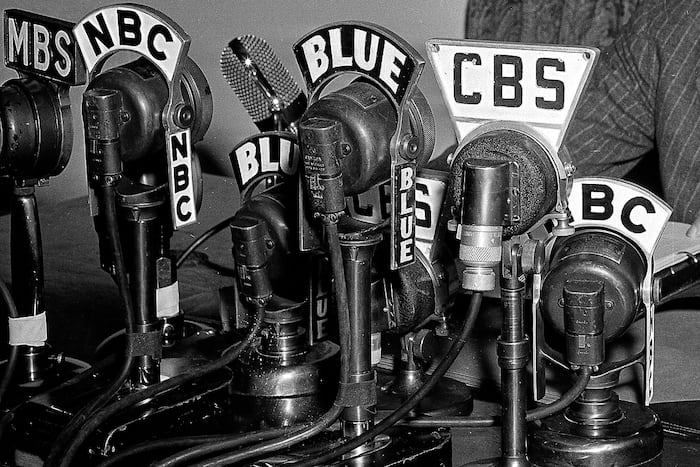
### An End of an Era: CBS News Shutters Century-Old Radio Service
**NEW YORK** — A monumental chapter in American broadcasting history is coming to a close. CBS News announced Friday that it will cease operations of its legendary radio news service effective May 22, effectively ending nearly a century of continuous service that helped define the golden age of American media.
The decision marks a somber turning point for the network, which traces its very existence to the birth of the radio service in September 1927. The venture served as the foundation for the entire CBS empire, launching the career of a young William S. Paley and establishing a news-gathering standard that would influence generations of journalists.
For many, the loss is visceral. Longtime CBS News anchor Dan Rather captured the sentiment of many industry veterans, stating, “It’s another piece of America that is gone.”
The service’s legacy is inextricably linked to the history of the 20th century. During the darkest days of World War II, it was the voice of Edward R. Murrow, broadcasting from rooftops amidst the Nazi bombing of London, that anchored Americans in the reality of the global conflict. Murrow’s dispatches transformed radio from a novelty into a primary source of truth and connection for the nation.
In its modern iteration, CBS News Radio has continued to serve as a staple of the airwaves, providing hourly news roundups and critical updates to approximately 700 affiliate stations across the country. However, network leadership cited the inexorable shift in consumer habits—moving away from traditional broadcasts toward digital platforms and on-demand podcasts—as the driving force behind the closure.
Bari Weiss, editor-in-chief of CBS News, addressed the staff on Friday, acknowledging the deep historical significance of the division.
“Radio is woven into the fabric of CBS News and that's always going to be part of our history,” Weiss stated. “I want you to know that we did everything we could, including before I joined the company, to try and find a viable solution to sustain the radio operation.”
Ultimately, the economic realities of the modern media landscape proved insurmountable. “With the radical changes in the media industry,” Weiss added, “we just could not find a way to make that possible.”
The shuttering of the service highlights the ongoing contraction of traditional broadcast media in the face of digital disruption. As the airwaves go quiet on May 22, the industry prepares to say goodbye to a service that once stood as the literal voice of the nation.
