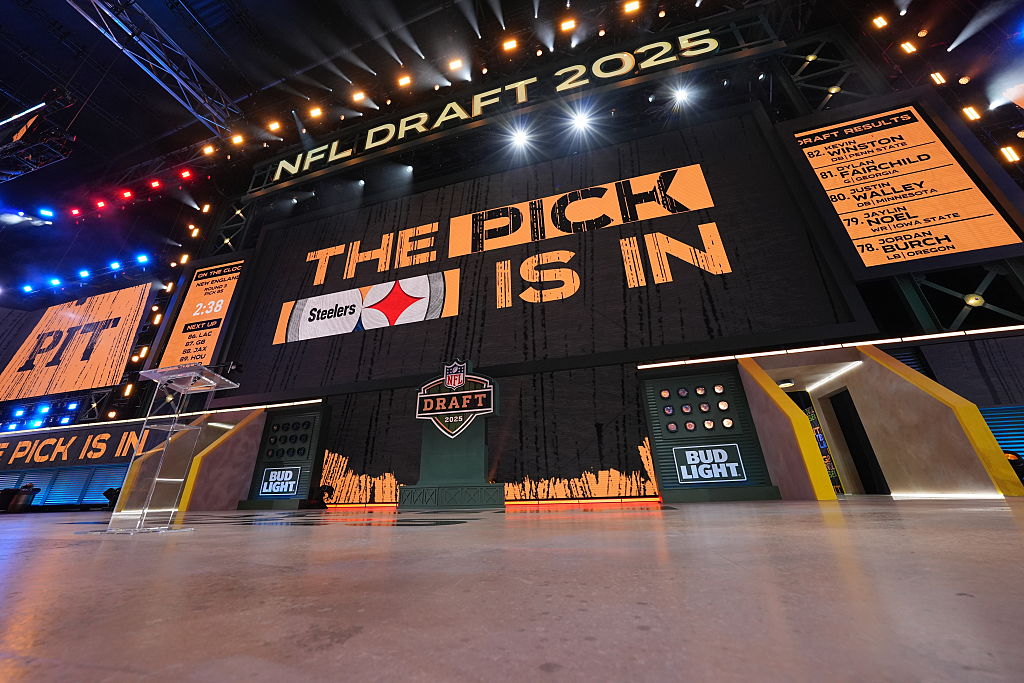
# Pittsburgh Schools to Shift to Remote Learning During 2026 NFL Draft
**PITTSBURGH, PA** — The Pittsburgh Public Schools (PPS) district has announced a major shift in its operational schedule for late April, confirming that students will move to remote learning during the week of the 2026 NFL Draft. The decision comes as the city prepares for a massive influx of visitors and the logistical challenges that accompany hosting one of the NFL’s premier events.
District officials confirmed Tuesday that in-person classes will be suspended from April 22 to April 24. The move is a direct response to anticipated city-wide disruptions, including widespread road closures, stringent parking restrictions, heightened security measures, and heavy traffic congestion expected throughout the downtown area and surrounding neighborhoods.
PPS Superintendent Wayne Walters acknowledged the inconvenience to families but framed the decision as a necessary step to manage the logistics of an event expected to draw between 500,000 and 700,000 visitors to the region.
"We know it’s not ideal, but it is a reality of a city hosting a big event," Walters said in a statement. "It will create an exciting time, but also some challenges when we think about accessibility, transportation, and safety."
The district is taking proactive steps to minimize the impact on academic progress. To ensure that students remain engaged, PPS announced that the Pennsylvania System of School Assessment (PSSA) exams, which were slated for that week, will be rescheduled to the following week.
According to district guidelines, students will be required to maintain a daily check-in routine. "Each student will have a daily Homeroom section in Schoology where they should log in and respond to the discussion prompt between 10:00 a.m. and noon on the impacted days," the district explained. "Logging in during the designated time window will ensure students are marked present for the day and can access their assignments and instructions from their teachers."
The NFL Draft has become a massive traveling spectacle, often effectively paralyzing the downtown sectors of host cities. While the economic boon for Pittsburgh is expected to be significant, the localized disruption has forced public institutions to adapt their traditional schedules to accommodate the sheer volume of football fans descending upon the city.
