### The Hidden Price of Conflict: Critics Decry Astronomical Costs of Iran Engagement
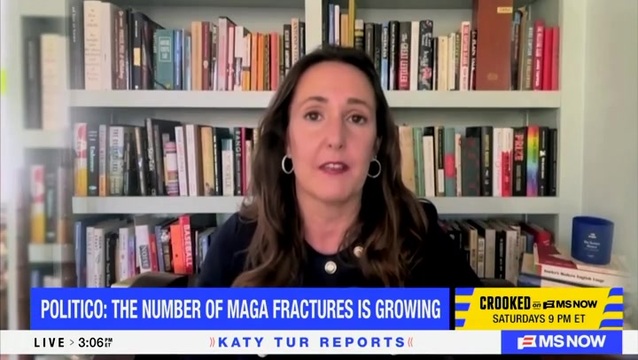
**WASHINGTON, D.C.** — As tensions in the Middle East continue to dominate the geopolitical landscape, fiscal hawks and policy analysts are sounding the alarm over the staggering economic toll of the ongoing conflict with Iran. During a recent appearance on *MS NOW*, a featured guest characterized the fiscal deficits incurred by the current military posture as “astronomical,” warning that the American taxpayer is bearing an untenable burden.
The discussion centered on the direct and indirect costs of the confrontation, with particular emphasis on the impact to the energy sector. According to the guest, the ripple effects of the volatility in the region are costing the U.S. economy approximately $300 million per day, a figure largely driven by the volatility of gas prices and energy market instability.
“The deficits we are seeing are not just theoretical numbers on a balance sheet; they are real-world hits to the American pocketbook,” the guest stated during the segment. “When you look at the supply chain disruptions and the premium we are paying due to this conflict, we’re paying $300 million a day, and we’re paying it every single day.”
The commentary highlights a growing frustration among those who argue that the current administration’s foreign policy is failing to account for the long-term domestic economic impact. As the U.S. remains heavily invested in securing maritime chokepoints and maintaining a robust military presence in the region, the cost of oil—a critical input for the entire American economy—remains subject to the whims of geopolitical brinkmanship.
Economists have long warned that prolonged entanglement in Middle Eastern conflicts creates an inflationary environment. As fuel prices fluctuate based on fears of supply disruptions in the Persian Gulf, the cost of logistics, manufacturing, and consumer goods rises in tandem.
The remarks on *MS NOW* underscore a broader debate regarding national priorities. Critics of the current strategy argue that the mounting deficits, combined with the daily economic drag of high energy costs, are hollowing out the middle class.
"We are bleeding resources," the guest added, emphasizing that the financial trajectory is unsustainable. "This is an astronomical tax on the American public, and it is a direct result of our inability to decouple our national security from these volatile, never-ending regional disputes."
As Washington grapples with a ballooning national debt and an increasingly precarious global energy market, the debate over whether the costs of intervention outweigh the strategic benefits is expected to intensify in the coming legislative sessions. For now, the daily $300 million figure stands as a stark reminder of the hidden price tag attached to the current course of foreign policy.