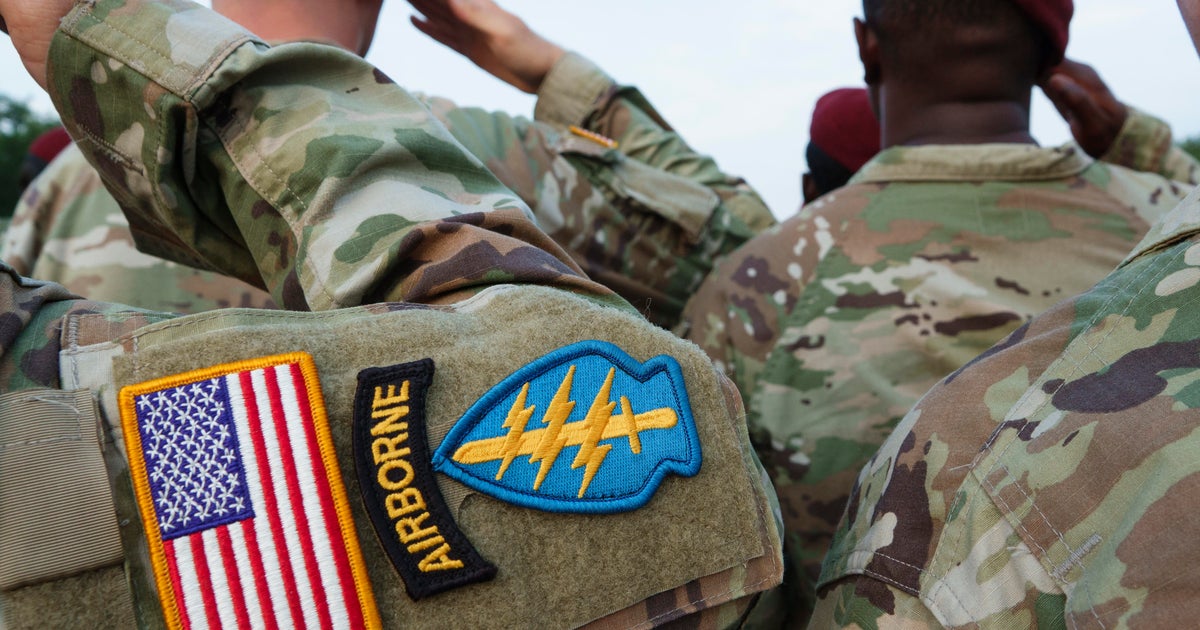
**PENTAGON PREPS GROUND INVASION: Military Readies Contingency Plans Amid Middle East Tensions**
**WASHINGTON** — The Pentagon has finalized detailed contingency plans for the deployment of U.S. ground forces into Iran, according to multiple high-level sources briefed on the ongoing military deliberations.
The move marks a significant escalation in strategic planning as the U.S. and its regional allies, led by Israel, continue to confront Tehran’s influence across the Middle East. According to sources, senior military commanders have already submitted specific requests to the White House to ensure that a ground-force option is ready should President Trump determine that kinetic intervention is necessary to secure American interests.
The deliberations, which remain highly sensitive, reflect a pivot in the administration’s posture regarding the ongoing friction between Washington and the Iranian regime. While the White House has maintained a public stance of strategic ambiguity, the existence of these concrete plans suggests that the military establishment is preparing for the possibility of a major conflict.
When pressed by reporters in the Oval Office on Thursday regarding a potential ground deployment, President Trump offered a characteristically sharp response. "No, I'm not putting troops anywhere," the President said, before immediately pivoting to keep adversaries guessing: "If I were, I certainly wouldn't tell you."
The President’s dual-sided comment underscores the "maximum optionality" doctrine that the administration is currently employing. White House press secretary Karoline Leavitt addressed the reports in a formal statement, clarifying that while contingency planning is a standard function of the Pentagon, it does not equate to a finalized policy decision.
"It's the job of the Pentagon to make preparations in order to give the Commander in Chief maximum optionality," Leavitt said. "It does not mean the President has made a decision, and as the President said in the Oval Office yesterday, he is not planning to send ground troops anywhere at this time."
The Pentagon has remained tight-lipped regarding the specifics of the deployment scenarios. Officials at U.S. Central Command, which would oversee any such operation, declined to comment, directing all inquiries to the White House and the Office of the Secretary of Defense.
Military analysts suggest that the shift toward preparing ground options serves two purposes: providing the Commander in Chief with the tools to respond to rapid changes on the battlefield, and signaling to the Iranian leadership that the era of U.S. restraint may be reaching its limit.
As tensions simmer, all eyes remain on the White House to see if these contingency plans transition from paper exercises into operational reality. For now, the administration continues to emphasize that while the military is prepared for all eventualities, a ground invasion remains a last-resort option.
