Authored by Larry C. Johnson via Sonar21,
Every morning the cable networks put up the price of Brent and a graphic of a tanker, and every evening the experts reassure us that the oil is still flowing, more or less. Crude is the scoreboard everyone watches. It is also the wrong scoreboard.
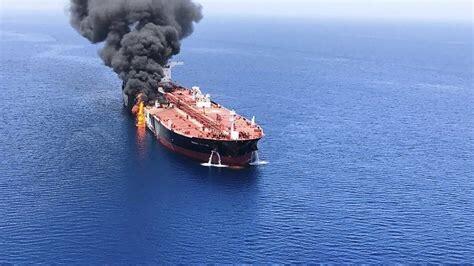
Iran has hit roughly fifty ships in and around the Strait of Hormuz since September 1, most of them tankers. Against a world fleet of more than 8,000 tankers, that is a rounding error. Washington's reassurance machine will tell you exactly that. What it won't tell you is that a good share of what moves through the strait isn't crude at all. It's the stuff the modern economy is actually made of: the feedstocks for plastics, the methanol for chemicals, the urea and ammonia for fertilizer. And those markets are far less forgiving than oil.
If you want to know what Iran's tanker campaign really costs, stop looking at the gas pump. Look in your kitchen.
What actually comes out of the Gulf
Start with plastic. The Middle East is the world's largest exporter of polyethylene, the most widely used plastic on the planet. In 2025 the region shipped 18.7 million tons out of global exports of 43.8 million tons, more than 40 percent of the world total. According to ICIS, about 84 percent of the region's polyethylene capacity depends on the Strait of Hormuz to reach the sea. Polypropylene and ethylene glycol, the raw material for polyester and PET bottles, follow the same route.
Then the feedstocks. Before the war, nearly 1.2 million barrels a day of naphtha moved through Hormuz, meeting 60 to