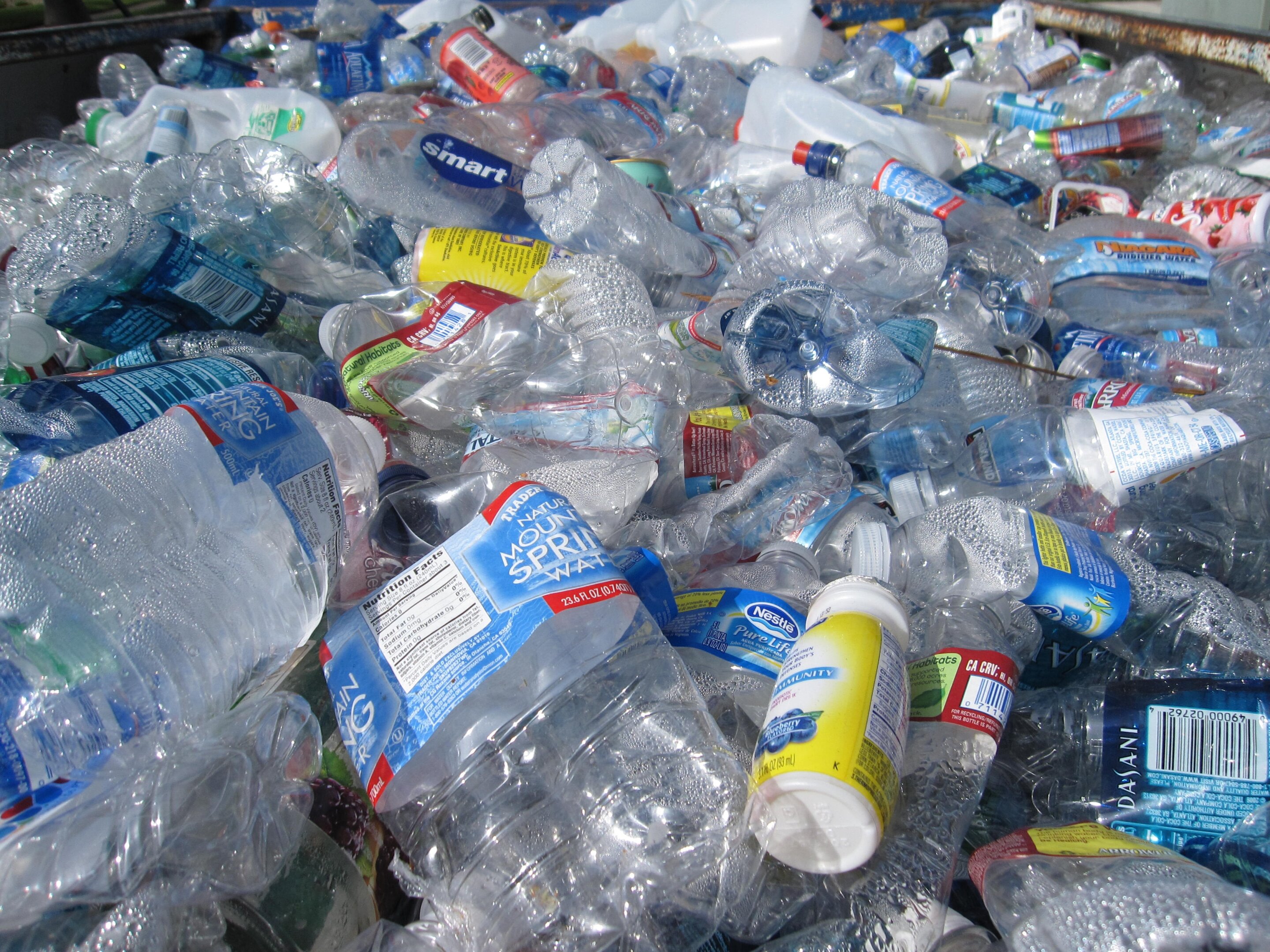
### Revolutionary Recycling Breakthrough: PET Waste Converted into High-Purity Raw Materials and Clean Hydrogen
**SCIENTIFIC BREAKTHROUGH** — A team of researchers has unveiled a pioneering chemical recycling method that promises to reshape the circular economy by transforming common polyethylene terephthalate (PET) plastic waste into two highly valuable commodities: high-quality raw materials for new plastics and clean hydrogen gas.
The study, which details a highly efficient catalytic process, addresses one of the most persistent hurdles in modern sustainability: the degradation of plastic quality during traditional mechanical recycling.
#### Closing the Loop on Plastic Waste For decades, the global recycling industry has struggled with the "downcycling" problem. Traditional mechanical recycling processes—which involve shredding and melting plastics—result in shorter polymer chains, leading to weaker, lower-quality recycled material that eventually becomes unusable.
The new method utilizes a sophisticated catalytic approach to break down PET at the molecular level. Instead of merely restructuring the physical plastic, the process depolymerizes the waste, effectively "unzipping" the plastic into its original monomers. These high-purity monomers can then be repolymerized into virgin-quality PET, allowing for infinite recycling loops without the loss of structural integrity.
#### The Hydrogen Dividend The most innovative aspect of this research lies in the recovery of hydrogen. During the chemical breakdown of the PET waste, the process captures hydrogen that would otherwise be lost or wasted during conventional industrial incineration or landfill decomposition.
"By integrating this catalytic system, we are essentially turning a waste stream into an energy stream," noted the lead researcher on the project. "We are extracting clean hydrogen as a byproduct, which can be utilized for fuel cells or as a chemical feedstock, providing a dual economic incentive for PET collection."
#### Environmental and Economic Implications The production of clean hydrogen is a critical pillar of global efforts to transition away from fossil-fuel-reliant energy systems. By decoupling hydrogen production from natural gas reforming—a process that currently carries a high carbon footprint—this new technology offers a "green" pathway to fuel production.
Furthermore, by producing virgin-grade raw materials, the process reduces the industrial dependency on petroleum-based precursors typically required to manufacture new plastics.
#### Looking Ahead While the process has demonstrated significant success in a laboratory setting, the scientific community is now focused on scaling the technology for industrial application. Challenges remain regarding the integration of this system into existing waste management infrastructure, as well as the necessity for effective plastic sorting to ensure the input stream remains free of contaminants.
If successfully deployed at scale, this method could represent a paradigm shift in how society treats plastic waste: moving away from viewing plastic as a permanent burden on the environment and toward seeing it as a recurring resource for both materials and clean energy.
