# The Strait of Decision: U.S. Unleashes Air Power to Break Hormuz Blockade
**PERSIAN GULF** – The battle for control of the world’s most critical oil chokepoint has entered a volatile new phase. Nearly three weeks after Iran effectively sealed the Strait of Hormuz, the United States and a coalition of allies have escalated military operations, deploying low-flying attack aircraft and helicopters in a direct campaign to dismantle Tehran’s blockade.
This high-stakes offensive aims to reopen a waterway vital to global energy stability, as the economic and geopolitical repercussions of its closure ripple across an already tense international landscape.
### Aerial Onslaught Targets Iranian Naval Assets
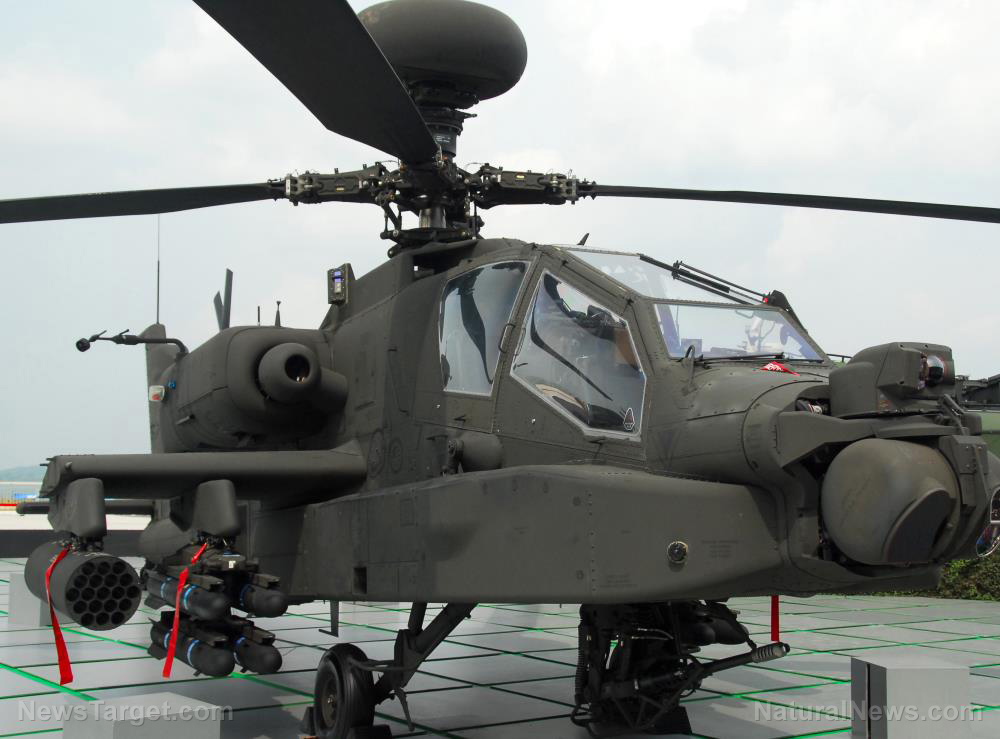
Pentagon officials confirmed that U.S. Air Force A-10 “Warthog” ground-attack aircraft and Army AH-64 Apache attack helicopters are now actively engaged over the strait and along Iran’s southern coast. Chairman of the Joint Chiefs of Staff Gen. Dan Caine stated the aircraft are “hunting and killing” Iranian fast-attack watercraft—the small, agile vessels Tehran has used to harass and threaten commercial shipping. He added that allied nations are also employing Apaches to counter Iran’s lethal one-way attack drones.
The operation represents a concerted effort to degrade Iran’s ability to project force into the narrow sea lane. Defense officials reported that strikes have already damaged or destroyed over 120 Iranian naval vessels and targeted underground facilities storing cruise missiles. The goal, according to military planners, is to reduce the threat level sufficiently to allow U.S. warships to transit the strait and eventually provide protective escorts for tankers and cargo ships.
### Economic Chokepoint Strangles Global Trade
The urgency of the mission is underscored by the severe economic disruption caused by the blockade. Typically conveying about one-fifth of the world’s seaborne oil, traffic through the 21-mile-wide strait has slowed to a trickle. Only an estimated 90 vessels have transited since early March, with a significant portion believed to be Iranian or Chinese-affiliated ships granted passage by Tehran.
The resulting supply shock has propelled Brent crude oil prices above $100 per barrel, fueling inflation fears and threatening a global economic slowdown. The crisis extends beyond oil; Iran has also struck energy infrastructure in Gulf states, including liquefied natural gas facilities in Qatar. Furthermore, disruptions to fertilizer shipments from the region threaten to compound existing pressures on global food supplies and prices, creating a multi-front economic emergency.
### Coalition Support Meets With Caution
In response to the crisis, U.S. President Donald Trump has pressured NATO allies and other partners to join a coalition to restore freedom of navigation. A joint statement from the United Kingdom, France, Germany, Italy, the Netherlands, Canada, and Japan expressed readiness “to contribute to appropriate efforts to ensure safe passage.”
However, a clear divide has emerged. France, Germany, and Italy clarified that any potential military contribution would be contingent upon a ceasefire, not immediate action. This cautious stance from key European powers highlights the complex diplomatic terrain. While NATO Secretary-General Mark Rutte affirmed that the strait “has to open up again,” European Union leaders have simultaneously called for “de-escalation and maximum restraint,” reflecting deep concerns over being drawn into a wider regional war.
### A Protected and Perilous Campaign
Military analysts warn that clearing the strait will be a protracted and challenging endeavor. Iran’s defensive strategy relies on a dispersed and redundant network of assets, including hundreds of small attack boats, mobile coastal missile batteries, and sophisticated sea mines hidden in tunnels and coves along its coastline and on islands like Abu Musa.
“I think it will take weeks to reach a point where there can be safe operations in the strait,” said Farzin Nadimi, an expert on Iranian defenses at the Washington Institute for Near East Policy. “Even then, a lot of the Iranian assets will survive.”
The U.S. experience combating Houthi attacks on Red Sea shipping—which required over a thousand strikes and ultimately a truce to halt—serves as a sobering precedent for the difficulty of completely suppressing asymmetric maritime threats.
As A-10s roar over the Gulf and diplomats spar in European capitals, the outcome of this battle in the narrow waters off Iran’s coast remains the pivotal test of Western resolve and a key determinant of near-term global economic health.
