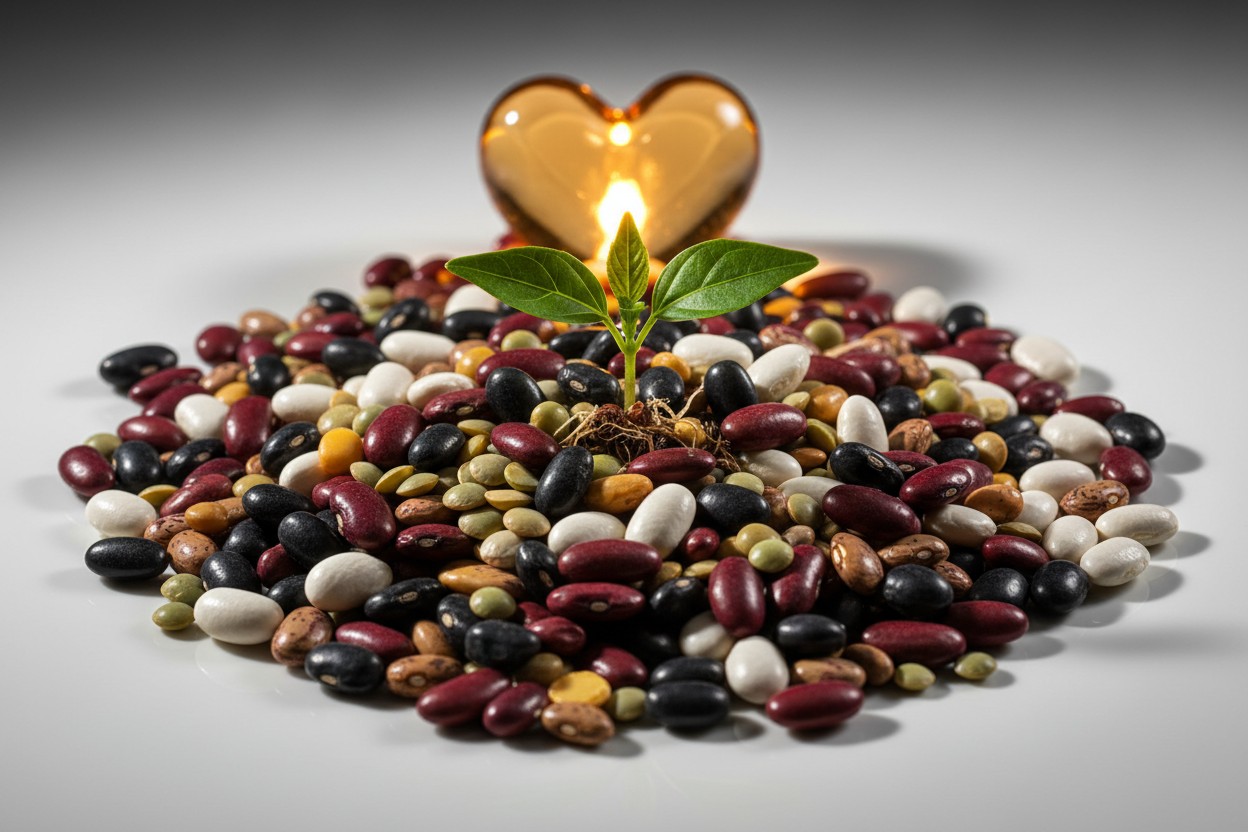
# The Humble Superfood: Why Beans Are a Nutritional Powerhouse for Longevity
For decades, modern diets in developed nations have suffered from a critical nutritional gap: an excess of processed protein and a severe deficit of essential fiber. However, a growing body of research suggests that a simple, affordable, and ancient solution has been sitting in our pantries all along—the bean.
According to recent nutritional studies, regular consumption of legumes is linked to a significant reduction in the risk of chronic illnesses, including obesity, cardiovascular disease, and certain types of cancer.
### A Cornerstone of "Blue Zones" Longevity The world’s "Blue Zones"—regions where people consistently live the longest, healthiest lives—share a common dietary denominator: the daily consumption of beans. Dan Buettner, a leading researcher on these longevity hotspots, advocates for consuming at least one cup of beans per day.
This recommendation is backed by a robust nutritional profile. Beans act as a dense, clean source of whole-food protein and fiber. For instance, a single cup of cooked soybeans provides nearly 30 grams of protein, while lentils and split peas offer approximately 16 grams of fiber per serving. Beyond these macronutrients, legumes are packed with potent phytochemicals. Analyses from NutritionFacts.org highlight that black beans and lentils, in particular, possess the highest antioxidant activity among common legumes, marking them as powerful "disease fighters."
### Combating Cancer and Heart Disease Scientific evidence increasingly points to beans as a primary tool in disease prevention. Research published in the *Journal of Nutrition* identified bean consumption as the top dietary factor in reducing the recurrence of colorectal adenomas, the precursors to colon cancer. Participants who consumed between 31 and 233 grams of beans daily saw the most significant protective benefits. Researchers believe the high fiber content helps the body flush out excess hormones and carcinogens, while compounds like phytic acid (phytates) continue to be studied for their role in cancer risk reduction.
The cardiovascular benefits are equally compelling. The American Heart Association (AHA) encourages the inclusion of beans as part of a heart-healthy diet. Clinical trials, such as those published in the *Journal of the American College of Nutrition*, have shown that consuming just half a cup of pinto beans daily for eight weeks can lead to an average drop in total cholesterol of nearly 20 points.
Furthermore, beans serve as an effective tool for weight management. Regular bean eaters have been shown to have a 22% lower risk of obesity and smaller waist circumferences, thanks to the high soluble fiber content that promotes satiety and prevents overeating.
### An Underutilized Global Resource Despite the existence of thousands of bean species, data from the United Nations Food and Agriculture Organization (FAO) reveals that only about 16 types are regularly consumed globally. This suggests that much of the nutritional potential of this food group remains untapped.
Incorporating beans into one's daily routine is not only a health-conscious choice but a financially prudent one. A USDA-funded 12-week trial demonstrated that a daily cup of beans could lower cholesterol by 15 points and reduce systemic inflammation by 27%.
As food costs fluctuate and health concerns mount, experts agree: centering meals around nutrient-dense, plant-based legumes is one of the most effective and affordable strategies for improving long-term health outcomes. Whether you are looking to boost your fiber intake, protect your heart, or increase your longevity, the evidence is clear—it is time to bring beans back to the center of the plate.